

Introduction to Phlogopite Mica: A Cornerstone in High-Performance Materials
In the demanding landscape of high-temperature and high-performance industrial applications, materials capable of sustained integrity under extreme conditions are paramount. Among these, phlogopite mica stands out as a uniquely versatile and reliable solution. Characterized by its exceptional thermal stability, superior electrical insulation properties, and remarkable chemical inertness, phlogopite is a critical component in numerous advanced engineering designs. This comprehensive overview delves into its technical intricacies, widespread applications, and strategic advantages, providing B2B decision-makers and engineers with essential insights into this indispensable mineral.
Derived from the mineralogical group of phyllosilicates, specifically the trioctahedral mica subgroup, phlogopite distinguishes itself from other micas, such as muscovite, primarily by its magnesium-rich composition and superior thermal endurance. Its unique crystal structure allows it to maintain mechanical and electrical properties at temperatures where many other insulating materials degrade, making it indispensable for refractory, electrical, and thermal management applications.
Industry Trends and Market Dynamics for Phlogopite Mica Solutions
The global market for advanced insulating and refractory materials is experiencing robust growth, driven by escalating demands from sectors like electronics, automotive (especially EVs), aerospace, and heavy industry. Within this context, phlogopite mica is seeing increased adoption due to its unmatched performance characteristics. Key trends include:
- Electrification and EV Growth: The proliferation of electric vehicles necessitates high-performance thermal and electrical insulation solutions for batteries, motors, and power electronics. Phlogopite mica sheet and paper are crucial for dielectric barriers and thermal management in these critical components.
- Industrial Furnace Advancements: Modern industrial furnaces and induction heating systems operate at increasingly higher temperatures, requiring superior refractory linings and insulation. Phlogopite’s high thermal resistance makes it ideal for these demanding environments, contributing to energy efficiency and operational longevity.
- Miniaturization in Electronics: As electronic devices become smaller and more powerful, the need for compact, high-performance insulation that can withstand localized heat generation intensifies. Phlogopite-based composites offer solutions for these constrained spaces.
- Emphasis on Safety and Reliability: In sectors like aerospace and defense, material failure is not an option. The inherent reliability of phlogopite contributes to enhanced safety profiles in critical systems.
- Sustainable Sourcing: Increasing focus on environmentally responsible material sourcing and processing is influencing market preferences, with suppliers demonstrating ethical mining and manufacturing practices gaining a competitive edge.
The market is also witnessing a trend towards customized solutions, where specific dimensions, binder systems, or composite formulations are required to meet unique application challenges, highlighting the importance of flexible manufacturing capabilities from suppliers.
Manufacturing Process Flow of Phlogopite Mica Products
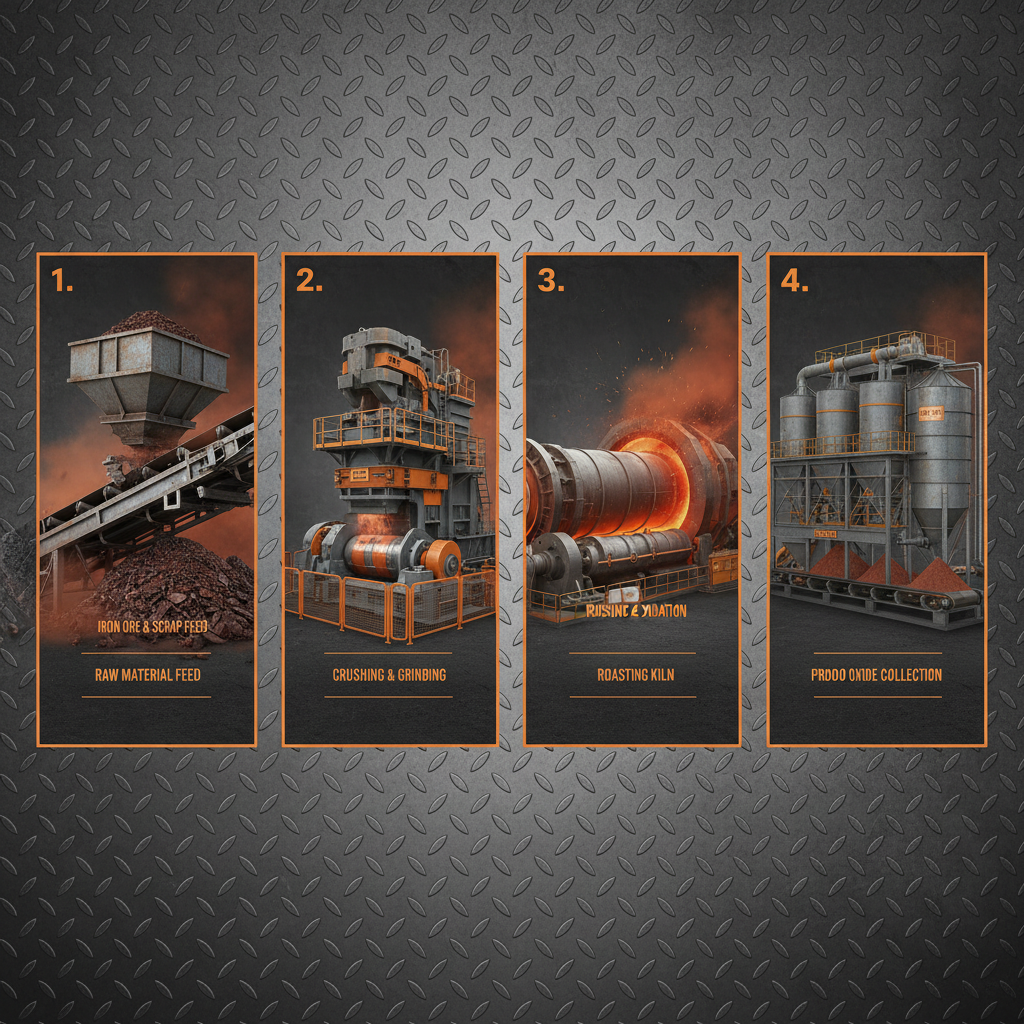
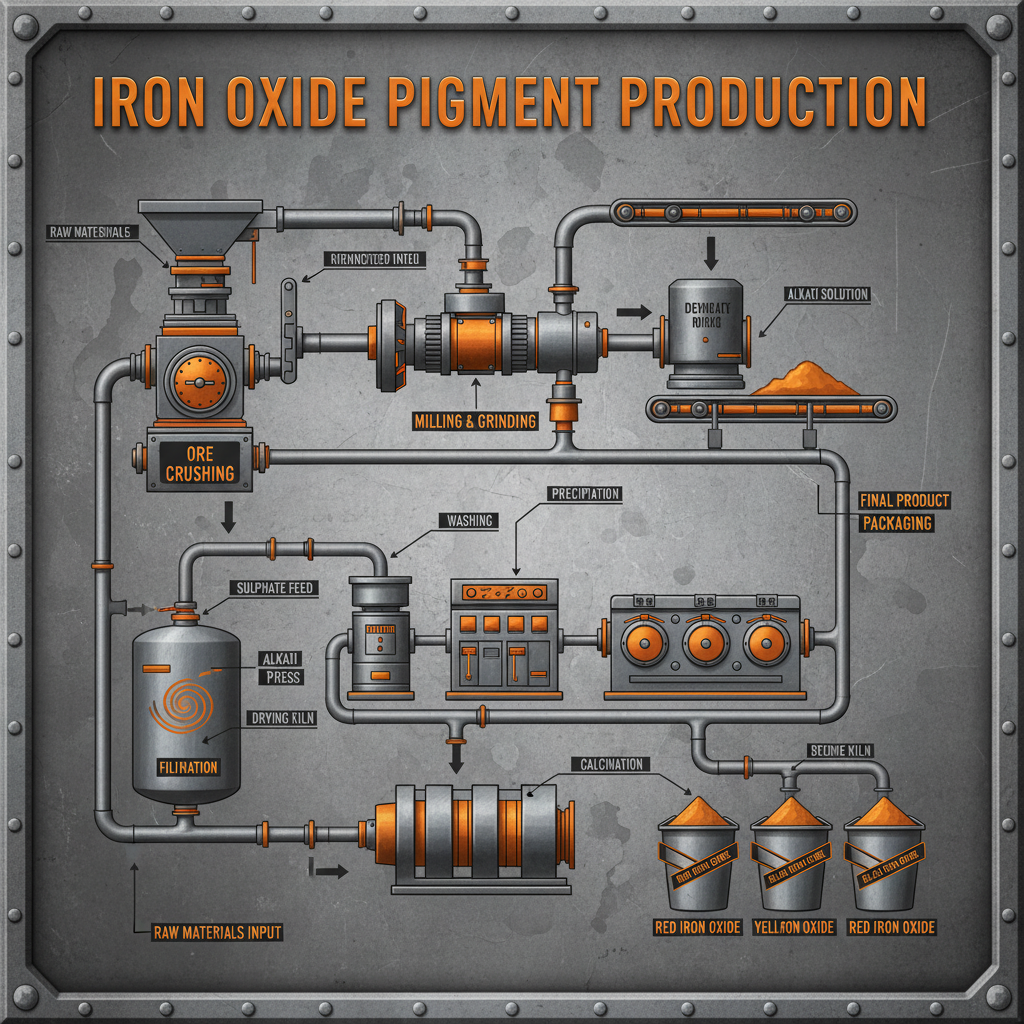
The journey from raw phlogopite ore to a high-performance industrial product involves a meticulously controlled process designed to preserve and enhance its inherent properties. While specific techniques vary based on the final product form (e.g., loose flakes, mica paper, rigid boards, or composite sheets), the general process for producing high-grade phlogopite mica materials can be outlined as follows:
Key Stages:
- Mining and Ore Selection:
- Raw phlogopite ore is extracted from controlled mining sites, ensuring minimal impurities. Initial inspection and sorting remove gangue minerals and low-grade material.
- Crushing and Grinding (Size Reduction):
- The ore undergoes primary crushing to reduce large lumps, followed by finer grinding using hammer mills or pulverizers. The goal is to produce appropriately sized flakes or powder, maintaining the laminar structure of the mica as much as possible.
- Washing and Purification:
- Washing processes remove surface contaminants and fine dust. This often involves hydro-cyclones or flotation techniques to separate mica from other mineral particles. Quality control checks ensure purity standards are met (e.g., ISO 9001 adherence for material purity).
- Drying:
- The purified phlogopite flakes are dried to remove moisture content, typically in industrial dryers to prevent agglomeration and ensure consistent material flow for subsequent steps.
- Screening and Classification:
- Dried flakes are passed through a series of screens to achieve precise particle size distribution, essential for uniform end-products like phlogopite mica paper or specific fillers.
- Processing into End Products (e.g., Mica Paper/Sheets):
- Mica Paper Production: Phlogopite flakes are dispersed in water to form a slurry, which is then fed into a continuous paper-making machine. The flakes interlock to form a sheet, which is then dried and wound into rolls. This process ensures consistent thickness and mechanical strength.
- Sheet/Board Lamination: For rigid phlogopite mica sheet or boards, mica paper is impregnated with high-temperature organic or inorganic binders (e.g., silicone resin) and pressed under heat and pressure (often via casting or hot pressing) to form rigid, dense boards or flexible laminates. CNC machining may be used for precise shaping and dimensioning.
- Composite Formulation: Phlogopite powder or flakes can be integrated into polymer matrices or ceramic compounds to create advanced composite materials with enhanced thermal and electrical properties.
- Final Testing and Quality Assurance:
- Finished products undergo rigorous testing based on international standards (e.g., ASTM, IEC, ANSI) for dielectric strength, tensile strength, thermal conductivity, temperature resistance, and dimensional stability. This ensures the material's service life and performance meet target industry requirements (e.g., petrochemical, metallurgy, water supply & drainage). Advantages in typical applications include significant energy saving due to superior insulation and enhanced corrosion resistance in harsh environments.
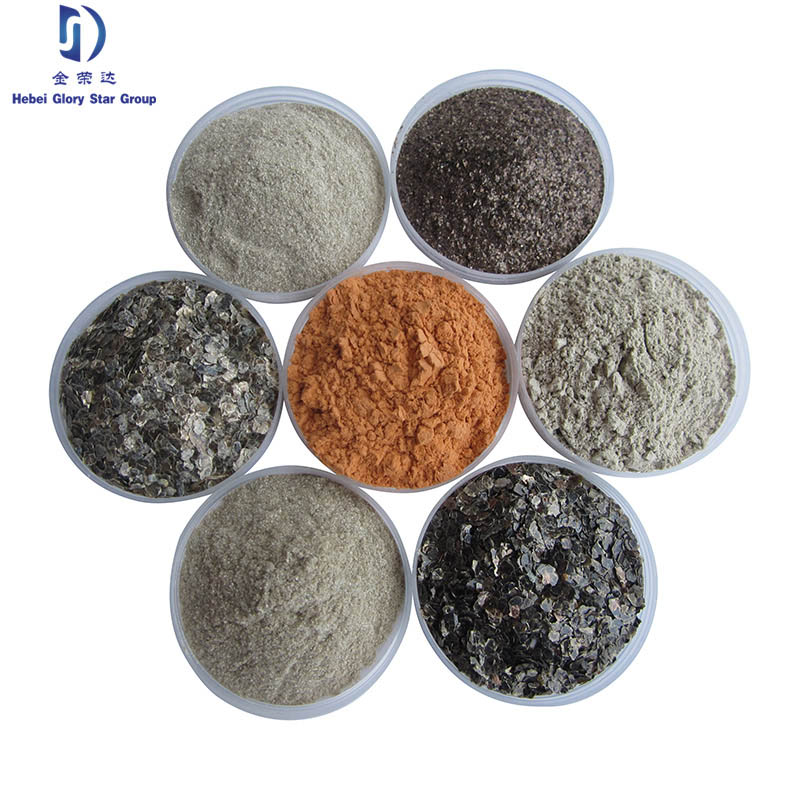
Technical Specifications and Performance Parameters of Phlogopite Mica
The exceptional performance of phlogopite is quantified by a range of technical parameters that underscore its utility in critical applications. Understanding these specifications is vital for engineers and procurement specialists to ensure optimal material selection for their projects. Below is a table summarizing typical technical parameters for a high-grade phlogopite mica sheet or board.
Typical Phlogopite Mica Product Specifications
| Parameter | Value / Range | Test Standard |
|---|---|---|
| Max. Continuous Operating Temperature | Up to 1000 °C (1832 °F) | IEC 371-2, ASTM D352 |
| Dielectric Strength (per mm) | 15-30 kV/mm | IEC 243, ASTM D149 |
| Tensile Strength (MPa) | 80-150 MPa (for mica paper/board) | ASTM D352, ISO 527 |
| Density (g/cm³) | 2.5-2.9 g/cm³ | ASTM D792 |
| Thermal Conductivity (W/m·K) | 0.4-0.8 W/m·K | ASTM C518 |
| Volume Resistivity (Ω·cm) | > 10¹⁵ at 20°C, > 10⁹ at 500°C | ASTM D257 |
| Chemical Composition (typical) | K(Mg,Fe)₃(AlSi₃O₁₀)(F,OH)₂ | XRD Analysis |
| Water Absorption (24h) | < 0.5% | ASTM D570 |
These parameters illustrate why phlogopite is superior for applications requiring stability under severe thermal and electrical stress. Its low thermal conductivity provides excellent insulation, while high dielectric strength ensures electrical integrity. The chemical inertness is particularly beneficial in corrosive environments, distinguishing it from other materials that might react or degrade.
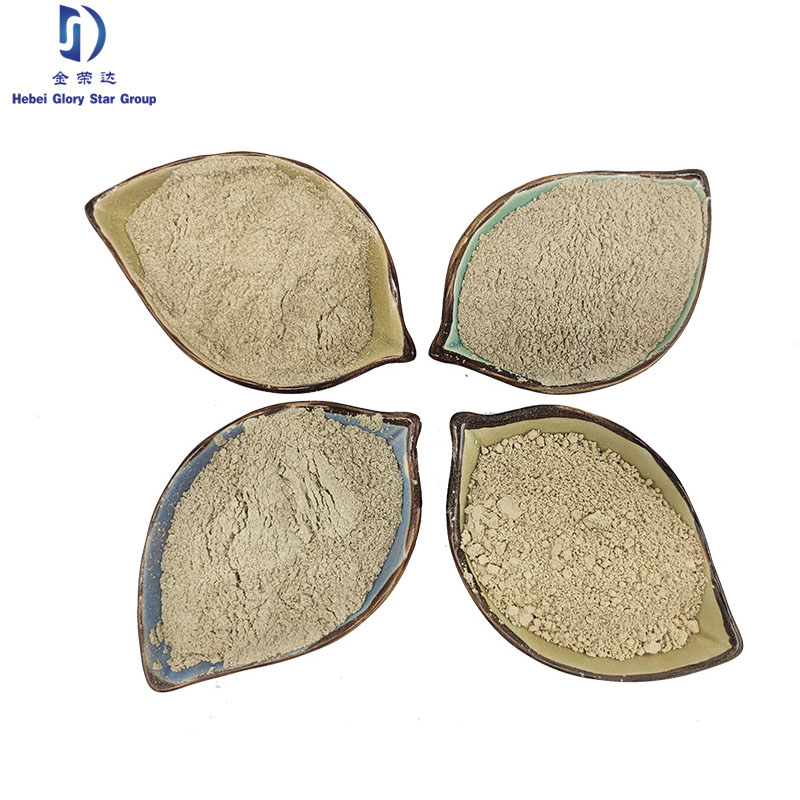
Diverse Application Scenarios of Phlogopite Mica
The unique combination of thermal, electrical, and mechanical properties makes phlogopite mica an indispensable material across a spectrum of industrial applications. Its ability to perform reliably in extreme conditions is highly valued in critical systems.
Key Application Areas:
- Refractory and Thermal Insulation: Used extensively in induction furnaces, steel-making ladles, and glass melting furnaces as lining insulation and hot face protection. Phlogopite flakes or paper provide a crucial barrier against extreme heat, extending equipment life and enhancing operational safety. It is also used in foundry applications for crucible insulation.
- Electrical Insulation: In high-voltage equipment, motors, generators, and transformers, phlogopite mica paper is processed into various forms like tapes, sheets, and tubes to provide robust electrical insulation, especially where high operating temperatures are present. It maintains excellent dielectric strength under thermal stress, preventing arc tracking and electrical breakdown.
- High-Temperature Gaskets and Seals: Due to its thermal stability and chemical inertness, phlogopite mica sheet is an ideal material for gaskets and seals in engines, exhaust systems, chemical processing plants, and power generation facilities where other materials would quickly degrade under heat and corrosive fluids.
- Automotive Industry (EVs): In electric vehicles, phlogopite-based materials are increasingly used for thermal management and electrical insulation within battery packs, motor windings, and power control units, contributing to battery safety and extending the lifespan of electronic components.
- Aerospace and Defense: Components exposed to extreme temperatures, such as those in jet engines, missile systems, and spacecraft, utilize phlogopite for its lightweight yet robust thermal and electrical properties.
- Consumer Appliances: High-temperature resistance of phlogopite also finds application in household appliances like toasters, hair dryers, and microwave ovens as heating element support and insulation.
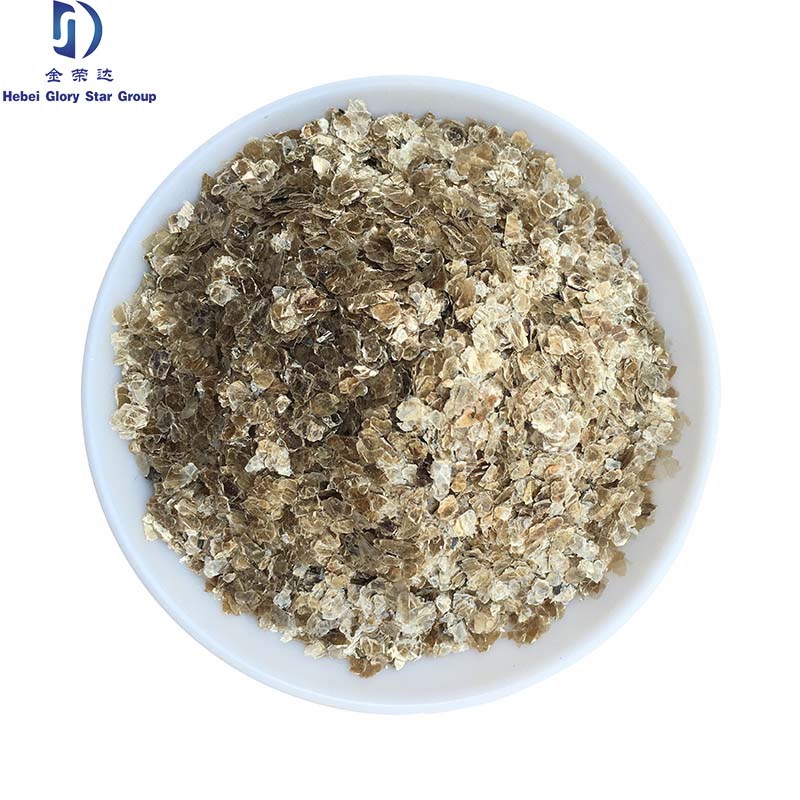
Technical Advantages of Phlogopite Mica Over Alternatives
When evaluating high-performance materials, the distinct advantages of phlogopite become evident, especially when compared to other mica types like muscovite or synthetic insulators. Its unique properties offer unparalleled benefits in demanding environments:
- Superior Thermal Endurance: Phlogopite exhibits a higher decomposition temperature (up to 1000°C) compared to muscovite mica (typically up to 700-800°C), making it the material of choice for ultra-high temperature applications such as induction melting furnaces and other refractory environments. This is due to its magnesium-rich composition.
- Excellent Electrical Insulation at High Temperatures: While both muscovite and phlogopite are excellent electrical insulators at room temperature, phlogopite retains its dielectric strength and volume resistivity significantly better at elevated temperatures, ensuring reliable performance in hot electrical systems.
- Chemical Inertness: Phlogopite is highly resistant to chemical attack from acids, alkalis, and oils, which makes it suitable for use in chemical processing equipment, oil & gas industry components, and marine applications where corrosive agents are present. This inertness extends the service life of components.
- Good Mechanical Strength: Despite its layered structure, phlogopite mica sheet and boards demonstrate good tensile and flexural strength, allowing them to withstand mechanical stresses, especially when reinforced with suitable binders. This structural integrity is crucial for gaskets and insulation supports.
- Thermal Shock Resistance: The material's inherent stability allows it to endure rapid temperature changes without cracking or delaminating, a critical feature for intermittent heating/cooling cycles in industrial processes.
- Environmentally Friendly: As a naturally occurring mineral, phlogopite is a sustainable material. Its use reduces reliance on synthetic, petroleum-based alternatives, aligning with increasingly stringent environmental regulations and corporate sustainability goals.
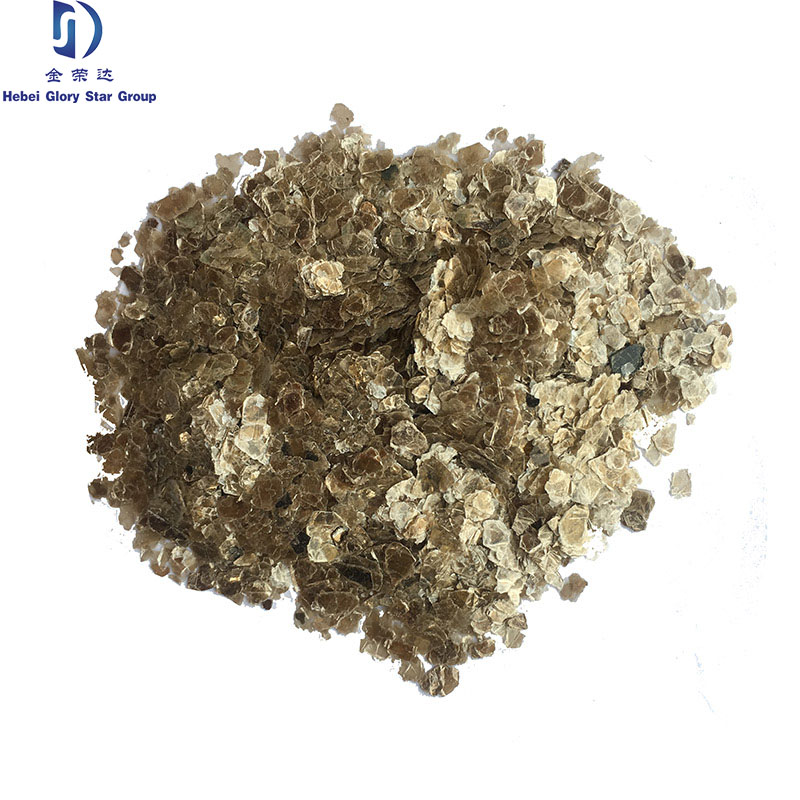
Vendor Comparison and Selection Criteria for Phlogopite Mica Products
Choosing the right supplier for phlogopite mica products is as critical as selecting the material itself. A reliable vendor not only provides high-quality products but also offers technical support, customization options, and robust supply chain management. When comparing suppliers, B2B purchasers should consider the following key criteria:
Key Vendor Evaluation Factors:
| Criteria | Description and Importance |
|---|---|
| Product Quality & Consistency | Ensure the supplier adheres to international standards (e.g., ISO 9001) for raw material sourcing, processing, and final product quality. Look for documented test reports and consistent batch quality. This includes purity, thermal stability, and electrical properties of their phlogopite mica paper or sheets. |
| Customization Capabilities | Ability to provide custom dimensions, thicknesses, binder systems, and composite formulations tailored to specific application requirements. Flexibility in manufacturing specific phlogopite mica sheet geometries or forms. |
| Technical Expertise & Support | A vendor with strong R&D capabilities and knowledgeable technical staff can offer valuable application engineering support, helping optimize material selection and integration into complex systems. Look for expertise in biotite phlogopite differences and specific material grades. |
| Certifications & Compliance | Verify certifications such as ISO, RoHS, REACH, and other industry-specific compliance standards. This assures product safety, environmental responsibility, and suitability for regulated industries. |
| Lead Time & Logistics | Evaluate the supplier’s ability to meet required lead times, manage inventory, and provide efficient global shipping and logistics solutions. Reliability in delivery minimizes project delays and ensures continuous operations. |
| Pricing & Value Proposition | While cost-effectiveness is important, it should be balanced against quality, service, and the total cost of ownership. A slightly higher initial cost might translate to significant long-term savings through extended product life and reduced maintenance. |
A thorough evaluation based on these factors ensures a strategic partnership that delivers not just products, but comprehensive solutions for high-performance phlogopite mica applications.
Customized Solutions with Phlogopite Mica
Recognizing that standard products may not always meet the precise demands of every unique application, leading suppliers offer extensive customization capabilities for phlogopite mica products. This flexibility allows for the optimization of performance characteristics and seamless integration into complex systems.
Customization Avenues Include:
- Dimensional Specificity: Precision cutting, stamping, and CNC machining to achieve exact dimensions, complex shapes, and tight tolerances for phlogopite mica sheet gaskets, washers, or insulating barriers.
- Thickness and Layering: Tailoring the thickness of phlogopite mica paper or boards to meet specific dielectric strength or thermal insulation requirements, including multi-layer laminates with varying materials.
- Binder System Modification: Adjusting the type of binder (e.g., silicone resin for flexibility, inorganic binders for ultra-high temperature rigidity) used in bonded mica products to achieve specific mechanical, electrical, or thermal properties. This is crucial for applications like phlogopite mica paper used in flexible heaters.
- Composite Formulations: Developing hybrid materials by combining phlogopite flakes or powder with other fillers, polymers, or ceramics to create advanced composites that leverage the strengths of multiple materials for enhanced performance in niche applications.
- Surface Treatments: Applying specialized coatings or treatments to mica surfaces to improve adhesion, enhance moisture resistance, or modify thermal emissivity.
- Packaging and Presentation: Customized packaging solutions to protect delicate mica components during transit and storage, as well as specific kitting or assembly options to streamline client manufacturing processes.
Engaging with a vendor capable of these bespoke solutions ensures that the final phlogopite mica product perfectly aligns with the operational demands and design constraints of the client's application.
Application Case Studies: Phlogopite Mica in Action
Real-world implementations demonstrate the tangible benefits of incorporating phlogopite mica into critical industrial processes. These case studies highlight its transformative impact on performance, safety, and operational efficiency.
Case Study 1: Enhanced Insulation for High-Frequency Induction Furnaces
A leading metallurgical firm faced persistent insulation failures in their induction furnaces, operating at temperatures exceeding 900°C during steel melting. Traditional refractory boards degraded rapidly, leading to frequent downtime and increased energy consumption. By implementing customized phlogopite mica sheet as the primary coil and crucible insulation, the firm achieved remarkable improvements:
- Problem: Insufficient thermal and electrical insulation at >900°C, causing premature failure and energy loss.
- Solution: Installation of rigid phlogopite mica sheet panels (5mm thick) with an inorganic binder system, precisely cut to line the furnace coil and outer crucible.
- Results:
- Extended Service Life: Insulation life increased by 150%, reducing maintenance cycles from quarterly to bi-annually.
- Energy Efficiency: A 7% reduction in energy consumption due to superior thermal insulation, leading to significant operational cost savings.
- Improved Safety: Enhanced electrical integrity at high temperatures minimized the risk of coil short-circuits.
Case Study 2: Thermal Barriers in Electric Vehicle Battery Modules
An innovative EV manufacturer required ultra-thin, high-temperature thermal barriers for their next-generation battery modules, needing to isolate individual cells and prevent thermal runaway propagation. The challenge was to find a material that was lightweight, non-combustible, and could withstand localized hot spots up to 800°C.
- Problem: Risk of thermal propagation in compact battery modules; need for thin, robust insulation.
- Solution: Implementation of specialized, flexible phlogopite mica paper (0.15mm thick) die-cut to fit between battery cells, acting as a fire and heat barrier.
- Results:
- Enhanced Safety: Successfully contained thermal events within individual cells, preventing propagation to adjacent cells during rigorous testing.
- Weight Reduction: The thin yet effective mica paper contributed minimally to overall battery module weight.
- Space Optimization: Its thin profile allowed for maximum energy density within the battery pack design.
Ensuring Trust and Reliability: Guarantees and Support
Establishing trust and ensuring long-term reliability are paramount in B2B partnerships. Our commitment to quality extends beyond product delivery, encompassing comprehensive support and transparent operational practices for all phlogopite mica solutions.
Frequently Asked Questions (FAQ)
- Q: What is the primary difference between phlogopite and muscovite mica?
- A: The main distinction lies in their chemical composition and thermal endurance. Phlogopite is a magnesium-rich mica, offering superior heat resistance (up to 1000°C) compared to muscovite, which is potassium-aluminum rich and typically withstands temperatures up to 800°C. Phlogopite also tends to be softer and more flexible.
- Q: Can phlogopite mica sheet be easily machined or cut?
- A: Yes, depending on the binder system and density, phlogopite mica sheet can be readily cut, stamped, and machined into complex shapes using standard industrial tools, including CNC methods for high precision. Flexible phlogopite mica paper can be easily trimmed or die-cut.
- Q: What are the typical lead times for custom phlogopite products?
- A: Lead times vary depending on the complexity, volume, and current production schedule. Standard phlogopite mica paper or sheets may have lead times of 2-4 weeks. Highly customized or large-volume orders, especially those requiring specific binder formulations or intricate CNC machining, could range from 4-8 weeks. We provide firm estimates upon order confirmation.
- Q: What warranty is offered on phlogopite mica products?
- A: We stand by the quality of our phlogopite mica products. All products are guaranteed to meet the agreed-upon technical specifications and relevant industry standards (e.g., ISO, ASTM) for a period of 12 months from the date of shipment, provided they are stored and used under recommended conditions. Specific warranty details are outlined in our sales agreements.
Lead Time & Fulfillment
We maintain a robust inventory of raw phlogopite materials and semi-finished products to facilitate efficient order fulfillment. Our logistics network ensures timely and secure delivery globally, with options for expedited shipping for urgent requirements. Detailed lead time estimates are provided with each quotation, and we offer tracking and regular updates on order status.
Customer Support & After-Sales Service
Our dedicated customer support team is available to assist with technical inquiries, order management, and post-sales support. We offer direct access to application engineers for troubleshooting and optimization advice. Through comprehensive documentation, including material safety data sheets (MSDS) and technical data sheets (TDS), we ensure clients have all necessary information for safe and effective use of our phlogopite mica solutions.
Conclusion: The Enduring Value of Phlogopite Mica
As industries continue to push the boundaries of extreme environments and high-performance requirements, the role of materials like phlogopite mica becomes increasingly pivotal. Its unparalleled thermal, electrical, and chemical stability provides engineers and manufacturers with a reliable solution for challenges ranging from advanced electrical insulation in high-temperature settings to critical refractory linings in severe industrial processes. By partnering with suppliers who emphasize quality, customization, and robust technical support, businesses can fully leverage the capabilities of phlogopite to enhance product longevity, improve operational efficiency, and ensure safety in their most demanding applications. The strategic integration of phlogopite solutions is not merely a material choice; it is an investment in future-proof performance and enduring reliability.
References
- American Society for Testing and Materials (ASTM) Standards for Mica and Electrical Insulating Materials.
- International Electrotechnical Commission (IEC) Standards for Electrical Insulating Materials.
- "Industrial Minerals & Rocks: Commodities, Markets, and Uses" by K. D. Mielke, SME (Society for Mining, Metallurgy, and Exploration).
- "Mica: A Survey of the History, Occurrence, Geology, and Production" by U.S. Geological Survey.
- Journal of the American Ceramic Society, various articles on high-temperature dielectric materials.
- Elsevier ScienceDirect, Materials Science journals, research on phyllosilicates.
Post time: Sep-22-2025

.png "About")