

In the industrial landscape of automotive putty manufacturing, achieving optimal adhesion to metal substrates is paramount. Carbonated calcium, a versatile and essential material, plays a crucial role in this regard.
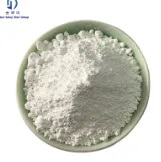
Calcium Carbonate Lime in Putty Formulation
Calcium carbonate lime is a fundamental component in automotive putty formulation.
- Enhanced Base Structure: When incorporated into putty, it provides a robust base structure. Its fine texture allows for seamless integration with other ingredients, creating a homogeneous mixture. This results in a putty that is easy to work with during application, ensuring smooth and consistent coverage on metal substrates.
- Reactivity Benefits: In its lime form, calcium carbonate can participate in certain chemical reactions within the putty matrix. These reactions contribute to the long - term stability of the putty, enhancing its resistance to environmental factors such as moisture and temperature changes, which are common challenges for metal - based automotive applications.
|
Product Information |
Details |
|
Nature |
A naturally occurring mineral |
|
Appearance |
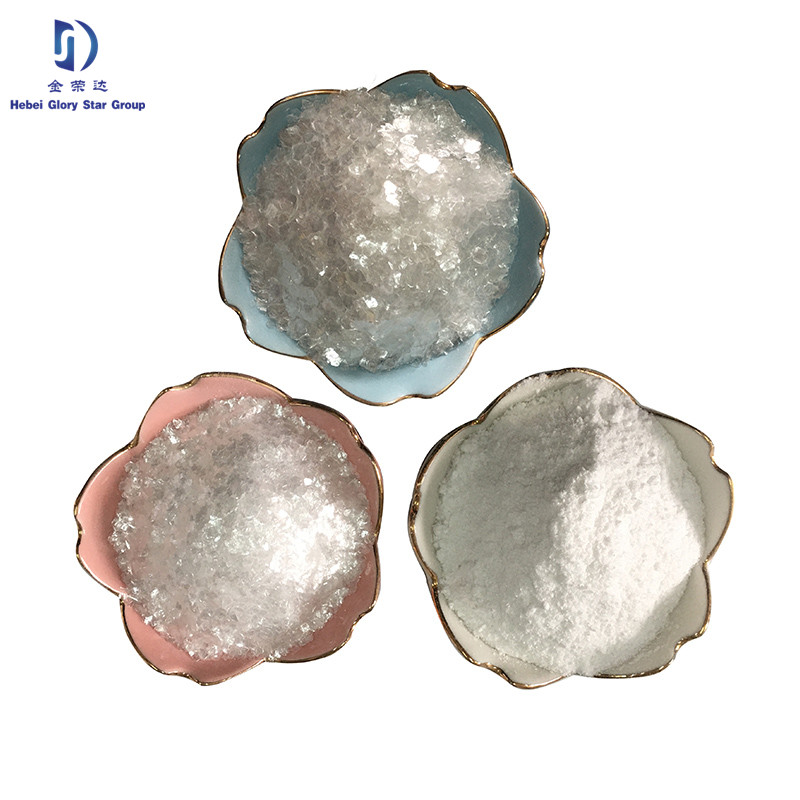
White, odorless powder or crystalline substance |
|
Solubility |
Insoluble in water, soluble in acids |
|
Key Features |
High purity, fine texture |
|
Industrial Functions |
Acts as a filler, extender, and whiteness enhancer in products like paints, coatings, plastics; provides strength and stability in cement and concrete; used in lime manufacturing and as a pH regulator in chemical processes |
The Multifaceted Calcium Carbonate Function in Putty
The calcium carbonate function in automotive putty is diverse and impactful.
- Adhesion Improvement: One of the primary functions of calcium carbonate is to significantly enhance the adhesion of putty to metal substrates. Its particle structure interacts with the metal surface at a microscopic level, creating a strong bond. This ensures that the putty adheres firmly and does not peel or flake off over time, even under mechanical stress or exposure to harsh conditions.
- Durability Enhancement: Calcium carbonate improves the durability of the putty. By acting as a filler, it increases the density and hardness of the putty, making it more resistant to abrasion, impact, and wear. This durability is crucial for automotive applications where the putty is constantly exposed to various external forces.
- Opacity and Aesthetic Enhancement: Its role as a whiteness enhancer also contributes to the aesthetic appeal of the putty. A higher opacity provided by calcium carbonate gives the putty a more uniform and professional look, which is essential for automotive refinishing and repair work.
Tailoring Carbonated Calcium Ratios for Metal Adhesion
Optimizing carbonated calcium ratios is a precise art.
- Substrate - Specific Ratios: Different metal substrates may require varying ratios of carbonated calcium. For example, softer metals might need a lower ratio to prevent scratching during application, while harder metals can accommodate a higher ratio for enhanced adhesion and durability. Understanding the characteristics of the metal substrates and adjusting the calcium carbonate ratios accordingly is key to achieving the best results.
- Balancing with Other Ingredients: Calcium carbonate must be balanced with other components in the putty formulation. An improper ratio can lead to issues like poor flowability, excessive drying time, or reduced adhesion. Through careful experimentation and formulation development, the ideal ratio of carbonated calcium can be determined to ensure harmonious interaction with all other ingredients.
Cost - effectiveness of Calcium Carbonate Lime in Putty Production
Calcium carbonate lime offers significant cost - effectiveness in automotive putty production.
- Abundant and Affordable Resource: As a naturally occurring mineral, calcium carbonate is widely available, which keeps its cost relatively low. Manufacturers can source it in large quantities without straining their budgets, allowing them to produce high - quality putty at a competitive price point.
- Value - added Properties: Despite its affordability, calcium carbonate adds valuable properties to the putty. Its functions in improving adhesion, durability, and aesthetic appeal mean that manufacturers do not need to compromise on quality while reducing costs. This makes it an attractive option for businesses looking to maximize their profit margins without sacrificing product performance.
Calcium Carbonate Function FAQS
How does the calcium carbonate function impact putty's resistance to corrosion on metal substrates?
The calcium carbonate function in putty is closely related to its corrosion - resistance on metal substrates. By enhancing the adhesion of the putty to the metal, it forms a continuous and protective barrier. This barrier prevents moisture and corrosive substances from coming into direct contact with the metal surface, thereby inhibiting the corrosion process. Additionally, calcium carbonate's ability to improve the durability of the putty ensures that this protective layer remains intact over time, providing long - term corrosion resistance for the metal substrate in automotive applications.
Can different types of calcium carbonate lime affect putty adhesion differently?
Yes, different types of calcium carbonate lime can have varying effects on putty adhesion. The particle size, purity, and surface properties of calcium carbonate lime can differ depending on its source and processing method. Finer - grained calcium carbonate lime may offer better filling properties and a smoother surface, which can contribute to improved adhesion by creating a more intimate contact with the metal substrate. On the other hand, coarser - grained types might provide more structural support, but could potentially affect the smoothness of application and adhesion if not properly balanced in the putty formulation. Each type has its own unique characteristics that can impact putty adhesion in distinct ways, and careful selection is required based on the specific requirements of the automotive putty.
What factors should be considered when optimizing carbonated calcium ratios for metal substrates?
When optimizing carbonated calcium ratios for metal substrates, several factors come into play. First, the type and surface condition of the metal are crucial. Different metals have varying surface energies and textures, which influence how well the putty adheres. Surface preparation, such as cleaning and priming, also affects the optimal ratio. Second, the intended use and environmental exposure of the automotive part need to be considered. For example, parts exposed to high humidity or extreme temperatures may require a higher ratio of carbonated calcium for enhanced durability and adhesion. Additionally, the compatibility of calcium carbonate with other ingredients in the putty formulation, as well as the desired workability and drying time of the putty, must all be taken into account to achieve the best - optimized ratio.
How does the cost - effectiveness of calcium carbonate lime translate to the end - product quality?
The cost - effectiveness of calcium carbonate lime does not compromise the end - product quality. Its affordability allows manufacturers to use a sufficient amount in the putty formulation without incurring excessive costs. At the same time, calcium carbonate lime provides multiple beneficial functions, such as improving adhesion, durability, and aesthetic appeal. These functions contribute directly to the overall quality of the automotive putty.
In what ways does carbonated calcium contribute to the environmental friendliness of automotive putty?
Carbonated calcium contributes to the environmental friendliness of automotive putty in several ways. As a natural mineral, its extraction and processing generally have a lower environmental impact compared to synthetic materials. It does not contain harmful chemicals that could leach into the environment during production, use, or disposal. Moreover, the potential recyclability and reusability of calcium carbonate - based putty reduce waste generation. This aligns with the automotive industry's increasing focus on sustainability, as it helps manufacturers meet environmental regulations and consumer demands for eco - friendly products, making carbonated calcium an environmentally responsible choice for automotive putty production. For high - quality calcium carbonate products that can optimize your automotive putty formulations, look no further than Hebei Huayuan Minerals Co., Ltd. Hebei Glory Star Group, its export company founded in 2004, represents a legacy of excellence. Established in 1988, Hebei Huayuan Minerals Co., Ltd. is a professional non - metallic producing factory with over 35 years of experience. Holding the ISO9001 Certification and boasting an annual output of over 100,000mts, it stands as one of the earliest and largest mica manufacturers in Lingshou County, a region renowned as the origin of numerous non - metallic minerals. With a commitment to quality and innovation, we are dedicated to providing you with the best carbonated calcium products to meet your industrial needs.
Post time: Sep-05-2025





.png "About")