

Natural Large Crystal Green Mica Scrap For Decoration: field notes from the factory floor
I’ve worked with mica scrap long enough to see trends come and go. This particular green muscovite—mined, split, and sorted in Hebei—has that unmistakable lamellar shimmer designers love, while process engineers quietly appreciate its dielectric strength and temperature stability. It’s mined and exported from 368 Youyi North Street, Shijiazhuang, Hebei, China—yes, I’ve walked that yard, dust on boots and all.
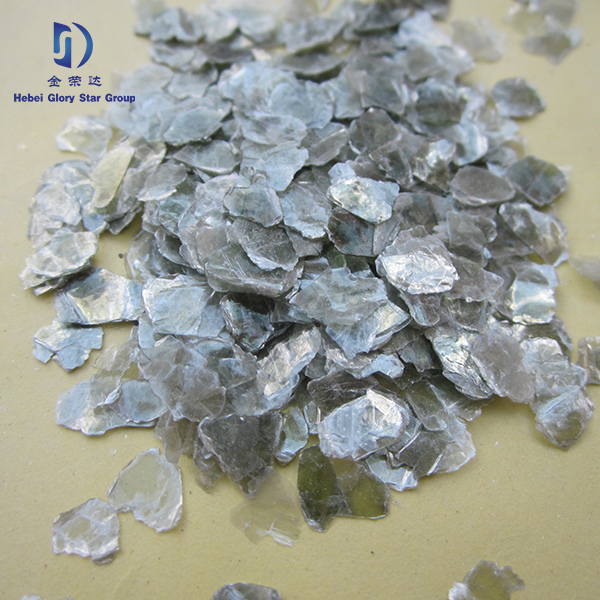
What it is (and why specifiers care)
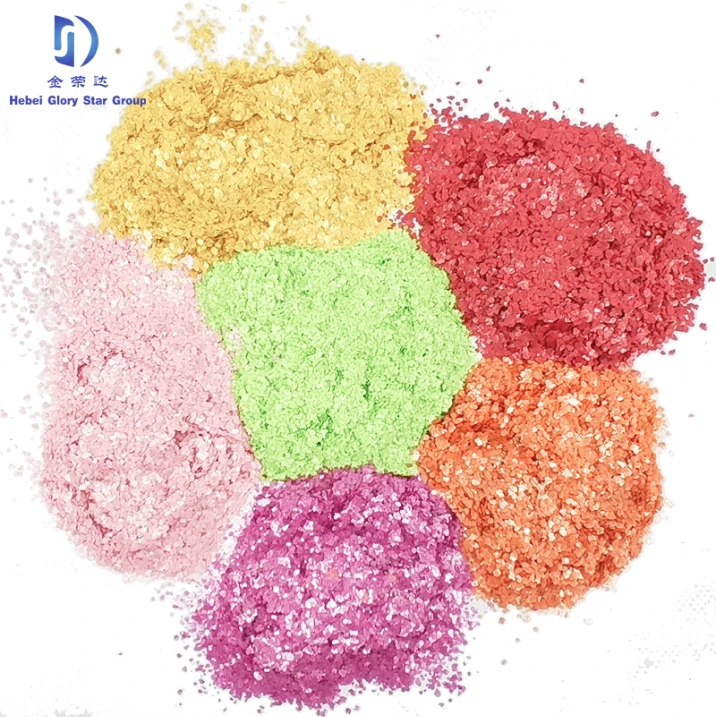
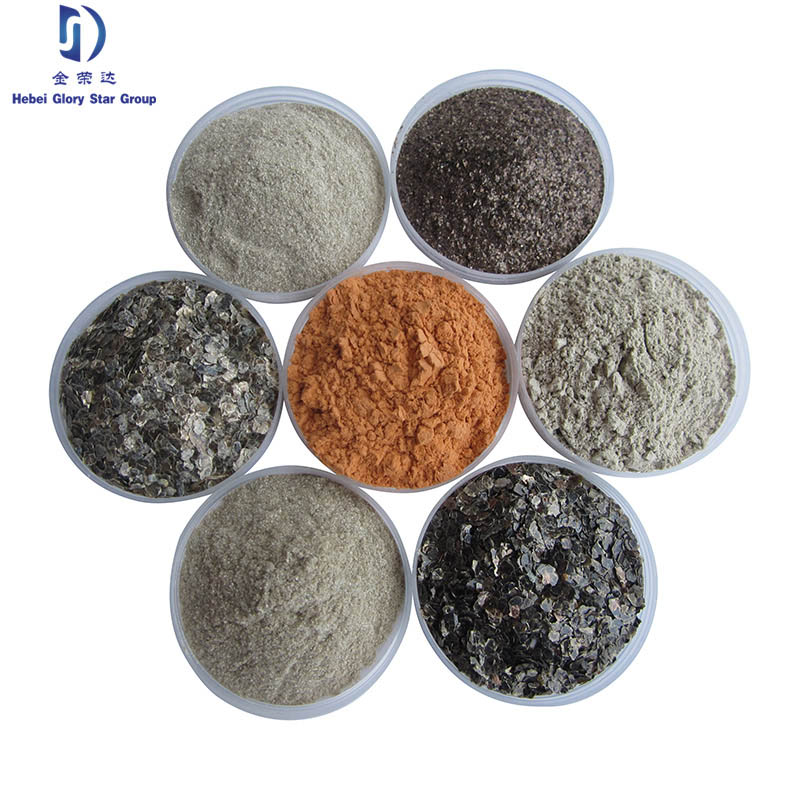
Chemically, this is muscovite: KAl2(AlSi3O10)(OH)2. Layered, light, softish (Mohs 2–3), yet surprisingly tough in coatings and composites. In fact, mica scrap acts like microscopic armor plates—boosting barrier properties in plasters and paints, and improving dimensional stability in polymers. Many customers say their terrazzo mixes “look alive” with these larger green crystals.
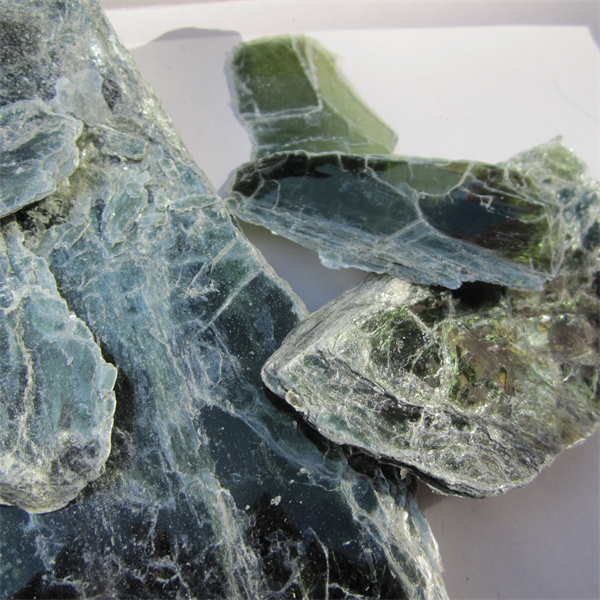
Industry snapshot and use cases
- Decorative concretes and terrazzo: mica scrap chips for sparkle and slip-resistant texture.
- Premium plasters and stone paints: lamellae improve crack resistance and UV durability.
- Electrical insulation value-chain: feedstock for mica paper/sheets, tapes, fireproof boards.
- Resin countertops, garden hardscapes, aquarium scapes—yes, creatives keep surprising me.
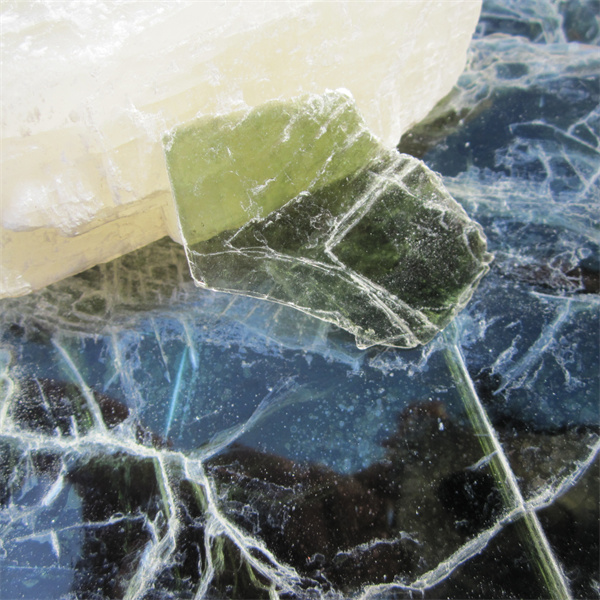
Product specs (typical, real-world use may vary)
| Grade | Natural Large Crystal Green mica scrap |
| Size range | ≈10–80 mm (custom sorting available) |
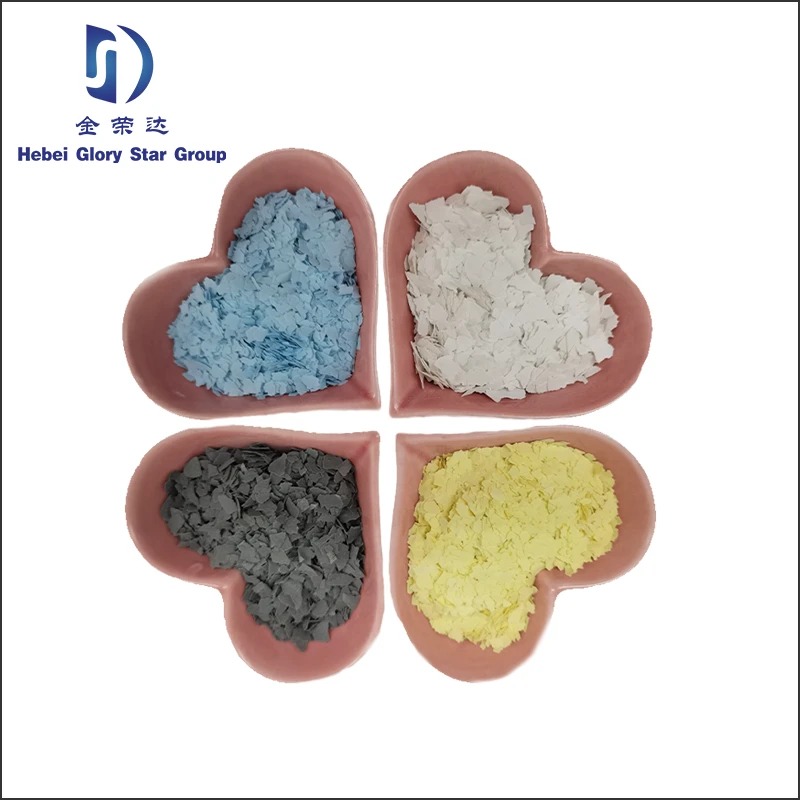
| Color/Type | Green muscovite |
| Density | 2.7–2.9 g/cm³ |
| Moisture | ≤1.5% (ISO 787-2) |
| Fe2O3 | ≤1.0% typical |
| Dielectric strength | ≈120–180 kV/mm (ASTM D149, mica sheet reference) |
| Thermal stability | Up to 600 °C; continuous use ≈450 °C |
| Packaging | 25 kg bags / 1 t jumbo, palletized |
| Compliance | ISO 9001:2015, RoHS, REACH (SVHC-free) |
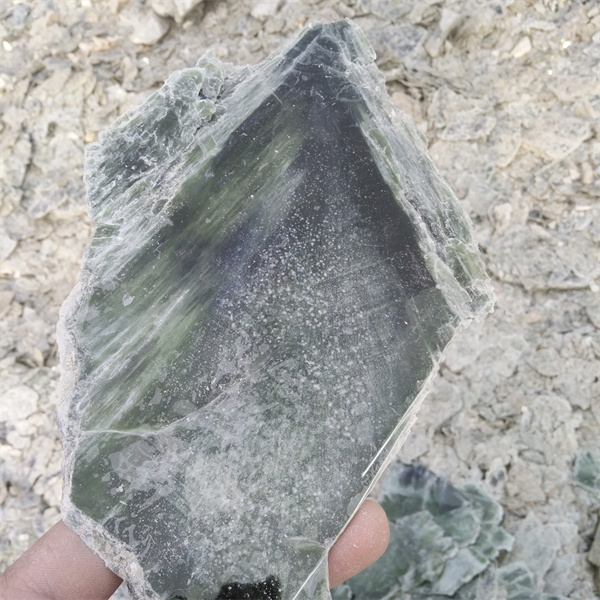
Process flow and QA
Ore selection → hand sorting → de-dusting/washing → magnetic separation (iron control) → size grading → QC → packing. Tests include moisture (ISO 787-2), particle size audits, Fe2O3 by XRF, and dielectric verification on derived mica sheets per IEC 60371/ASTM D149. Typical service life: 12–15 years in exterior plasters; 20+ years in terrazzo/resin systems; 5–8 years in thermal-electrical laminates (depends on duty cycle, to be honest).

Vendor comparison (what buyers actually ask)
| Supplier | Grade focus | Compliance | Fe2O3 | Customization |
|---|---|---|---|---|
| Glory Star Export (Hebei) | Large-crystal green mica scrap | ISO 9001, REACH, RoHS | ≈0.5–1.0% | Size sorting, color match, packing |
| Vendor A (Generic) | Mixed-color scrap | Basic COA | ≈1.0–1.5% | Limited |
| Vendor B (Regional) | Smaller flakes | RoHS only | ≈0.8–1.2% | Some sorting |
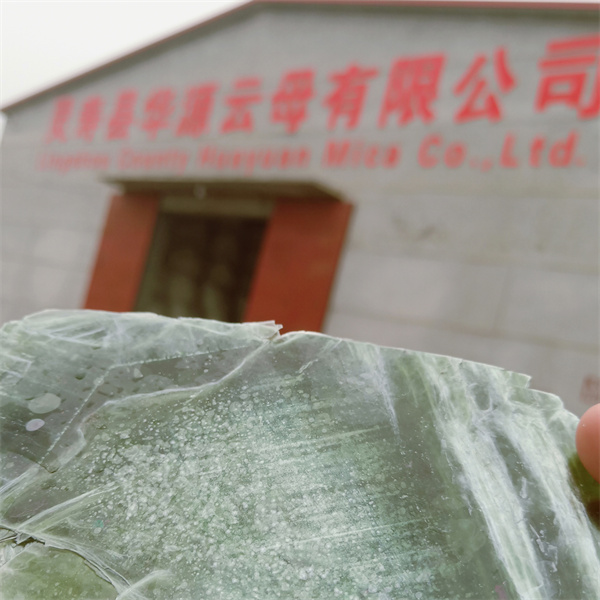
Customization and real-world feedback
Customization usually means tight size bands (say 15–25 mm) for terrazzo, or low-iron picks for pale plasters. One European applicator reported 18% lower hairline cracking when substituting 12% mineral filler with mica scrap. Another client in HVAC boards saw cleaner edges in hot-press lamination—small win, big smiles.
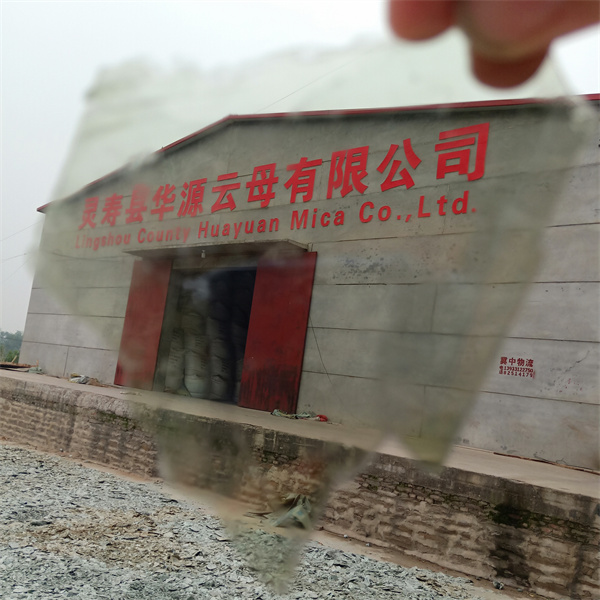
Mini case studies
- Dubai facade plaster: green mica scrap at 6% by volume delivered 12–15 year gloss retention forecast (QUV extrapolation).
- EU epoxy terrazzo: 3–12 mm chips; installer noted better trowel glide and fewer pinholes.
- Motor insulation supply chain: scrap → mica paper (IEC 60371) → Class H stack; breakdown ≥150 kV/mm on finished sheet.
References
- IEC 60371: Specification for insulating materials based on mica.
- ISO 3262-20: Extenders for paints—Part 20: Mica.
- ASTM D149: Dielectric breakdown voltage and dielectric strength of solid electrical insulating materials.
- EU RoHS 2011/65/EU and REACH Regulation (EC) No 1907/2006 compliance notes.
Post time: Oct-07-2025



.png "About")