

Dyed Color Mica Flakes for Floor Engineering: an insider’s quick guide
If you’ve been shopping around for mica flakes wholesale, you’ve probably noticed two things: prices move fast, and quality varies more than people admit. I’ve toured a few plants in Hebei and Gujarat over the years; to be honest, how they crush, screen, dye, and cure the flake matters more than any brochure claim.
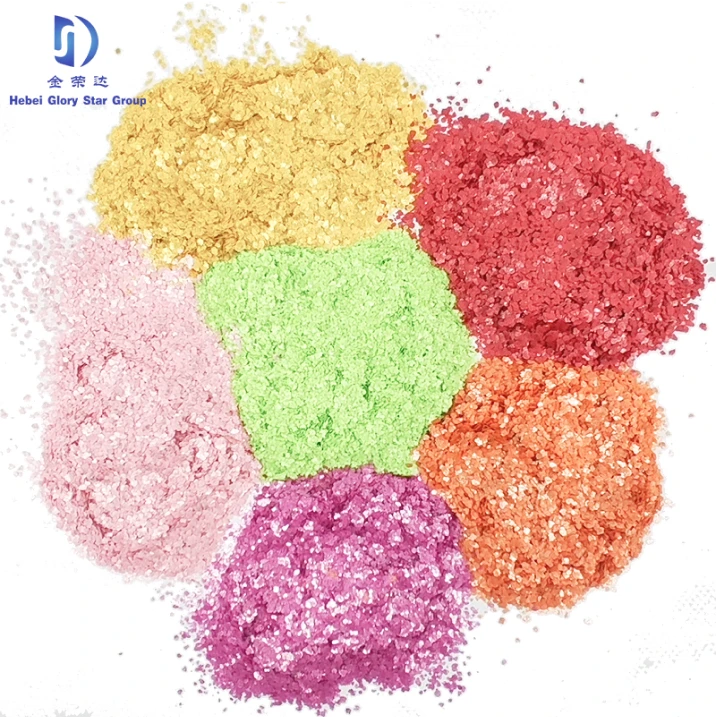
What’s trending in colored mica right now
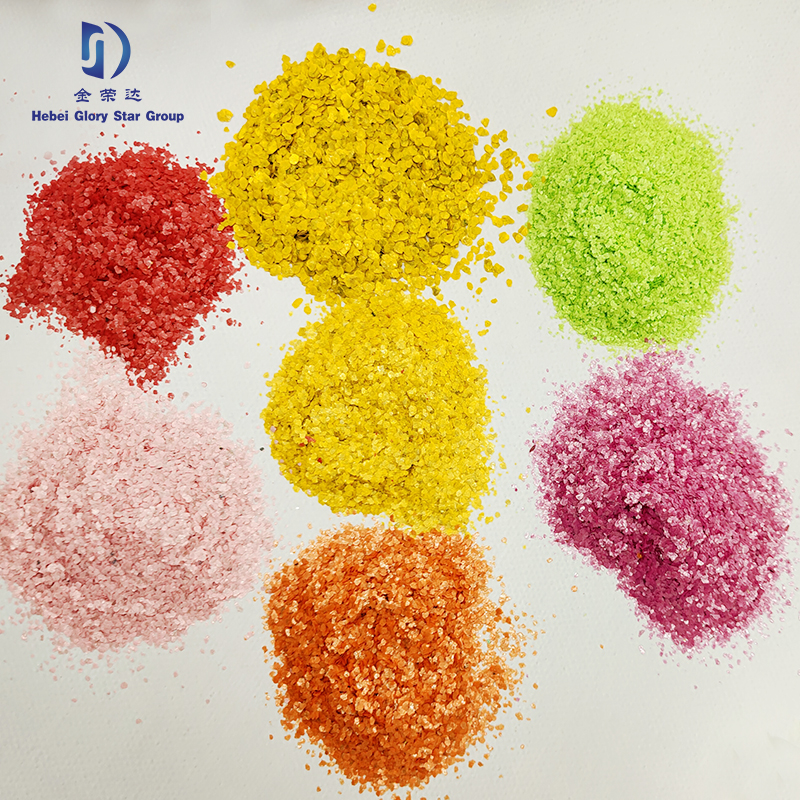
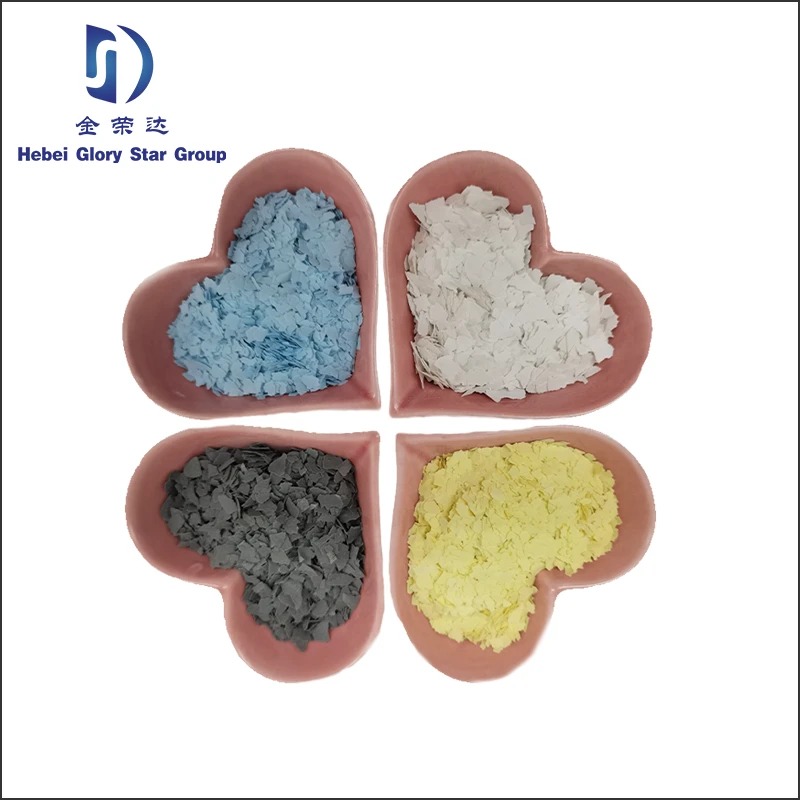
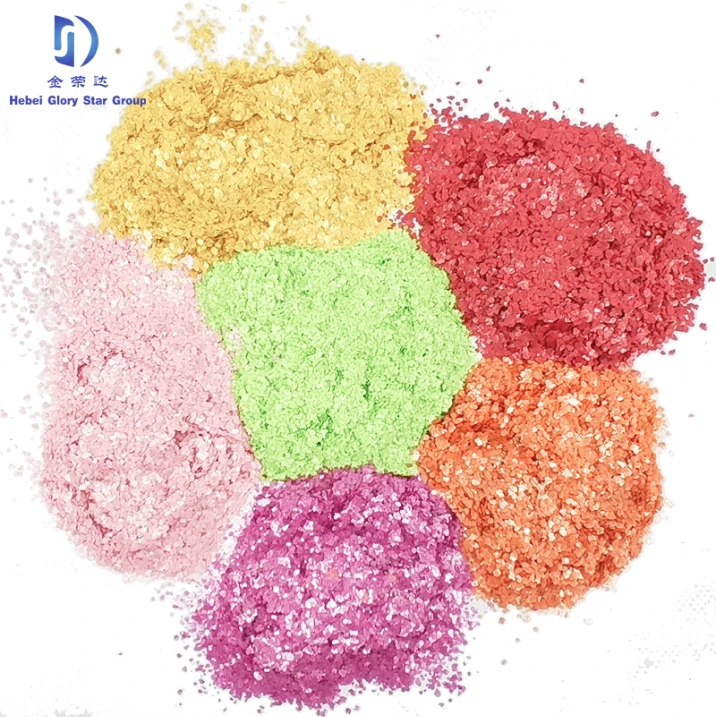
Two clear trends: more epoxy/polyaspartic floor systems using multi-tone flake blends, and a shift to tighter mesh control for uniform broadcast. Supply is still dominantly muscovite, with phlogopite making a comeback for heat-prone industrial sites. Surprisingly, a lot of buyers now request RoHS/REACH statements even for construction-grade flake. Sensible, given project specs.
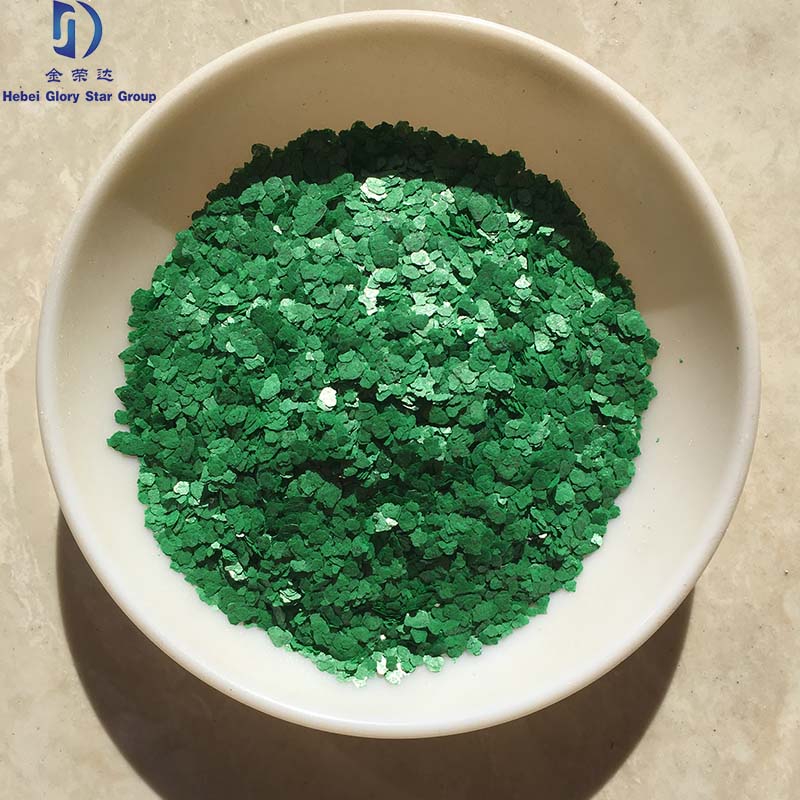
Product snapshot: Dyed Color Mica Flakes (Floor Engineering)
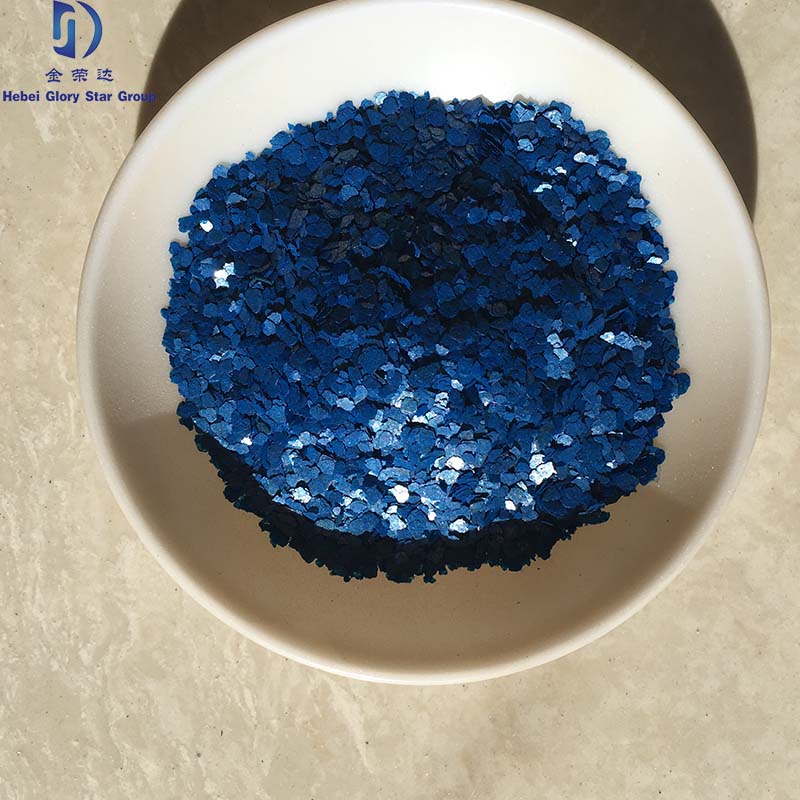
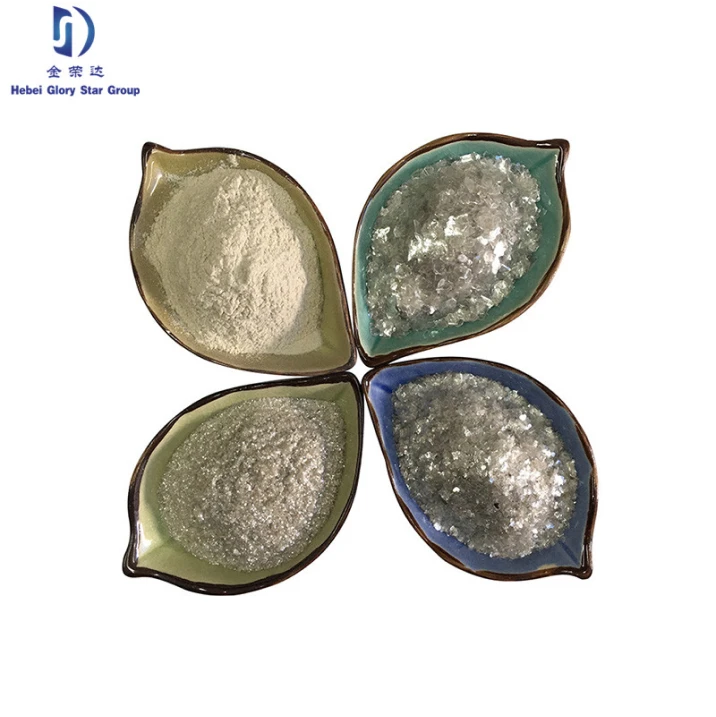
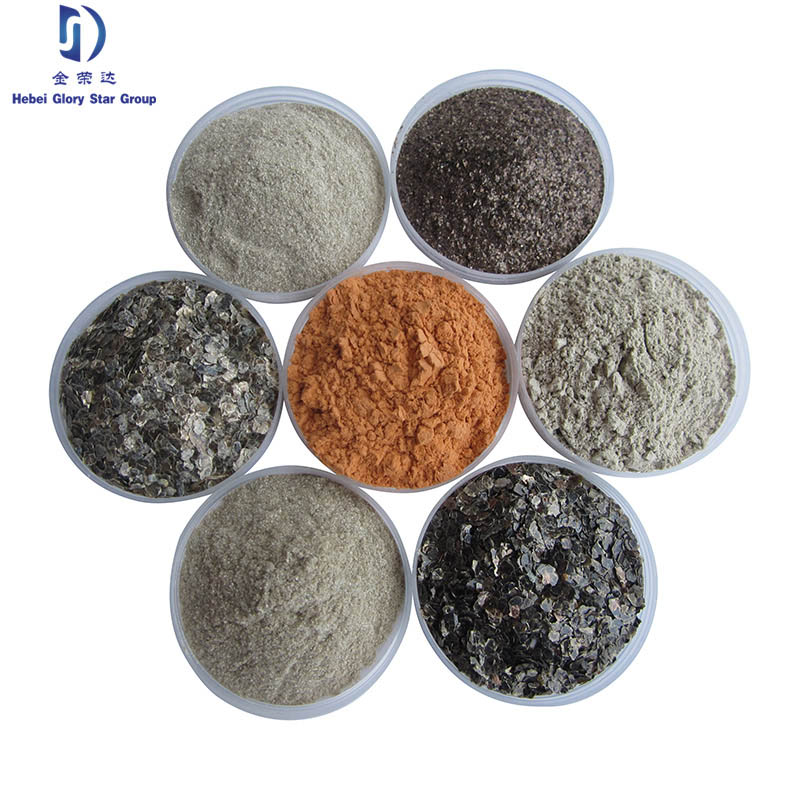
Origin: 368 Youyi North Street, Shijiazhuang, Hebei, China. Base material is ground mica scrap (mostly muscovite; phlogopite/biotite/synthetic available) produced by rotary hammer crushing, then screened, dyed, and kiln-dried. Sizes from 2–20 mesh suit decorative broadcast floors and terrazzo-like screeds.
| Parameter | Typical value (≈, real-world use may vary) |
|---|---|
| Mesh range | 2–20 mesh (≈9.5 mm to 0.85 mm, per ASTM E11 sieve) |
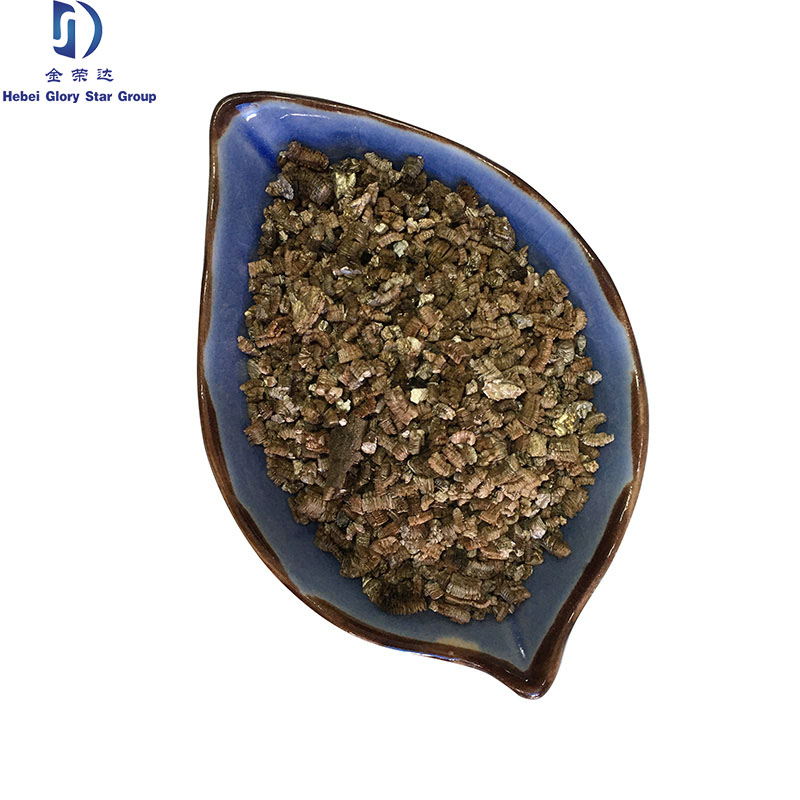
| Base mineral | Muscovite standard; phlogopite/biotite/synthetic on request |
| Color system | Dyed solids + multi-tone blends; UV-stabilized pigments |
| Moisture | |
| Bulk density | ≈0.3–0.6 g/cm³ (depends on grade and cut) |
| Hardness | Mohs ≈2.5–3 |
| Dielectric strength | Up to ≈120–200 kV/mm for muscovite (IEC 60243, base mineral ref.) |
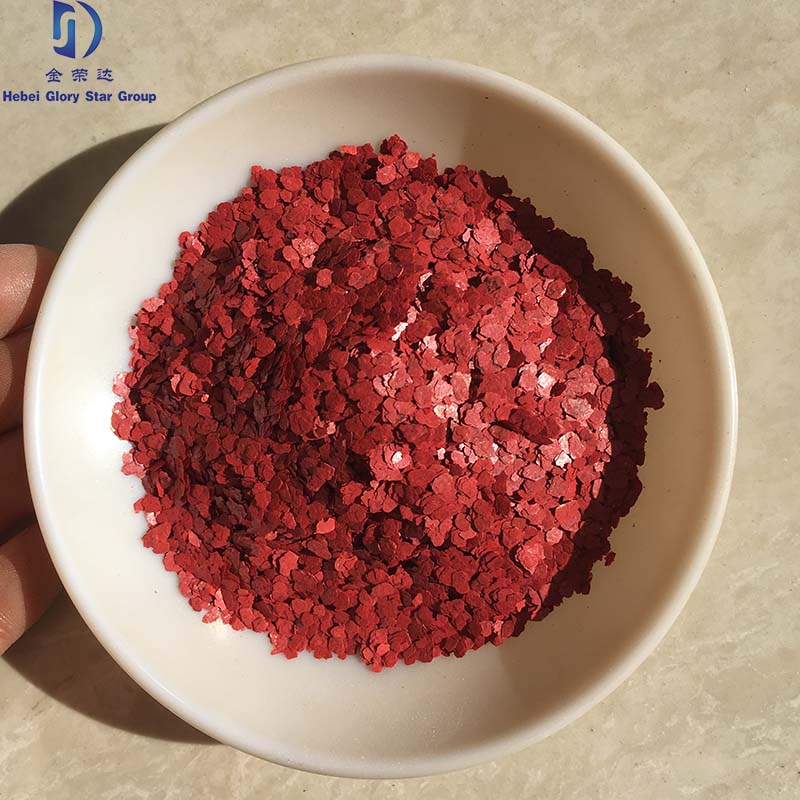
Process flow, testing, and service life
- Materials: selected mica scrap → magnetic removal of iron → hammer crushing → multi-pass screening (ASTM E11).
- Coloring: aqueous dye infusion, fixative, kiln drying; some lots get a silane surface treatment for better resin wet-out.
- QC tests: particle-size distribution (sieve stack), moisture, color ΔE, UV exposure check, heavy metals (RoHS), and MSDS/REACH paperwork.
- Floor system data: in a 100% solids epoxy with 15–20% w/w flake broadcast, Taber abrasion CS‑17/1 kg/1000 cycles ≈ 30–55 mg loss (ASTM D4060). Slip resistance with clear topcoat often hits DCOF ≈0.42–0.55 (ANSI A326.3). Your resin/topcoat swings results, obviously.
- Service life: commercial interiors ≈7–12 years; light industrial ≈5–10 years before re-topcoat, assuming proper prep and maintenance.
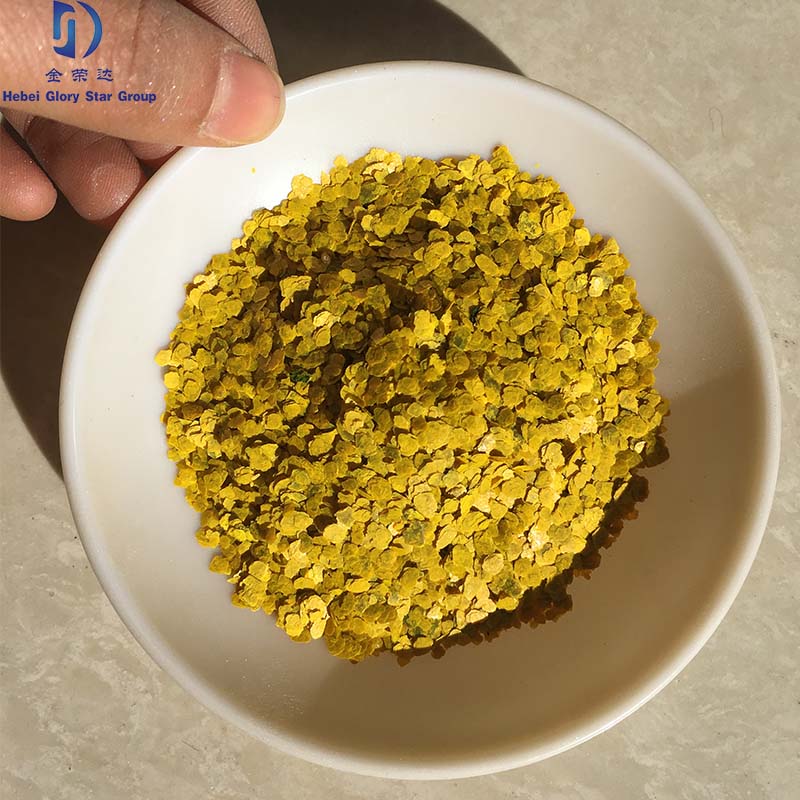
Where it’s used (and what buyers say)
Applications: broadcast decorative floors (epoxy/polyaspartic/PU), troweled terrazzo-like screeds, textured wall plasters, GRP/FRP panels, roof coatings patch aesthetics, and as a light loss-circulation additive in non-critical drilling fluids (undied grades only).
Feedback snippets: “Color match was tighter than expected,” one contractor told me after a hospital corridor retrofit. Another noted, “Less dust in the bags—crew loved it.” A few did mention they prefer 6–10 mesh for showrooms and 10–20 mesh for kitchens to hide scuffs—makes sense.
Customization and certifications
Common customizations: bespoke color blends, narrow mesh cuts (e.g., 6–10 mesh), low-moisture packaging (foil-lined), and resin-compatibility surface treatments. Certifications available on request: ISO 9001 factory QA, REACH/RoHS declarations, and third-party heavy-metal screening (SGS). Batch COAs list mesh curve, moisture, and color ΔE.
Vendor landscape (quick comparison)
| Vendor | MOQs | Lead time | Certs/Docs | Customization |
|---|---|---|---|---|
| Glory Star Export (Hebei) | ≈1–2 tons/colour | 10–20 days (stock colors faster) | ISO 9001, REACH, RoHS, COA | Tight mesh cuts, custom blends |
| Regional Trader (APAC) | ≈500–1000 kg | Varies; often ex-stock | Basic MSDS, limited COA | Limited color control |
| Generic Factory (Multi-region) | 2–5 tons | 20–35 days | COA on request | Standard palettes only |
Buying notes (learned the hard way)
- Ask for the sieve curve, not just “2–20 mesh.” You’ll spot gap grading instantly.
- Run a small pan UV test alongside your resin. Some bright reds fade faster under direct sun.
- Confirm moisture spec in writing before ocean freight. Damp flake clumps—annoying to broadcast.
- For mica flakes wholesale orders, negotiate color lock and re-order reproducibility (ΔE target).
If you need samples or a mesh/color audit, I’d start with a 10 kg pilot lot. Glory Star’s team in Shijiazhuang is responsive, and honestly, for mica flakes wholesale they hit a pragmatic balance—factory-direct without endless lead times.
Citations
- ISO 3262-3: Extenders for paints — Specifications and methods of test — Part 3: Mica.
- ASTM E11: Standard Specification for Woven Wire Test Sieve Cloth and Test Sieves.
- IEC 60243-1: Electric strength of insulating materials — Test methods.
- ASTM D4060: Standard Test Method for Abrasion Resistance of Organic Coatings by the Taber Abraser; REACH (EC) No 1907/2006; RoHS Directive 2011/65/EU.
Post time: Sep-30-2025



.png "About")