
The Global Impact and Importance of Industrial Vermiculite
When you first hear “industrial vermiculite,” you might not immediately connect it with crucial global industries or humanitarian missions—but it’s everywhere, quietly underpinning sectors from construction to agriculture all over the world. This natural mineral, known primarily for its lightweight and insulation properties, has become an unsung hero in areas where safety, efficiency, and sustainability matter most.
Why does it matter globally? According to the United Nations Environment Programme, the demand for eco-friendly and resource-efficient materials is growing sharply, pushing industries to adopt solutions like industrial vermiculite to meet environmental targets and regulatory standards.[1] In practical terms, it helps improve energy efficiency, reduce fire risks, and even supports agriculture in challenging climates. Understanding why this stuff is so vital—and how it’s evolving—can unlock better industrial applications and greener approaches worldwide.
Understanding Industrial Vermiculite: What Is It?
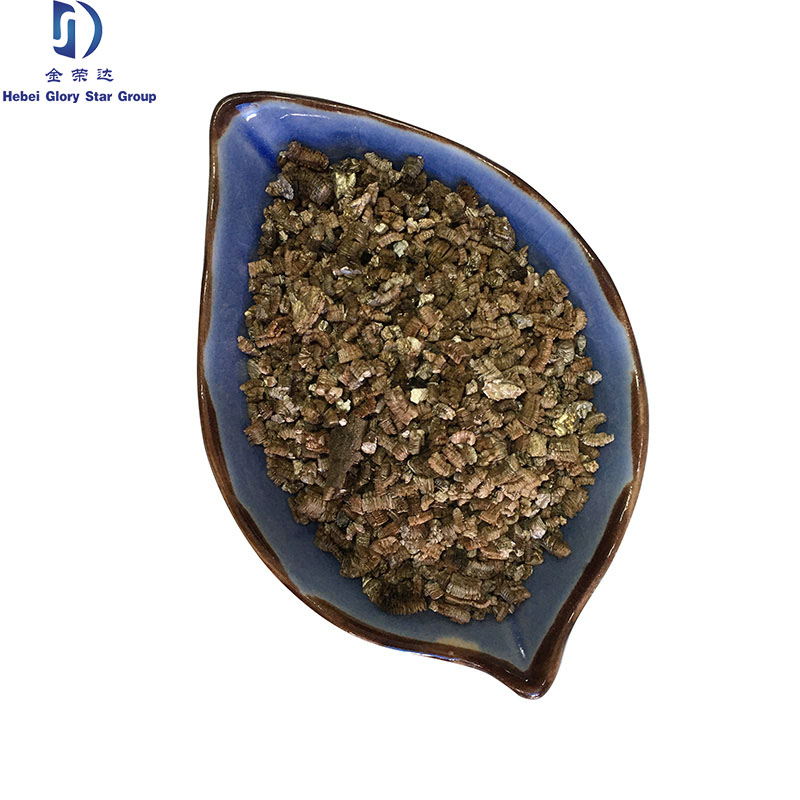
Simply put, industrial vermiculite is a form of hydrated laminar magnesium-aluminum-iron silicate—a mouthful, I know—that expands when heated to many times its original volume. This expansion, called exfoliation, makes it super lightweight and porous.
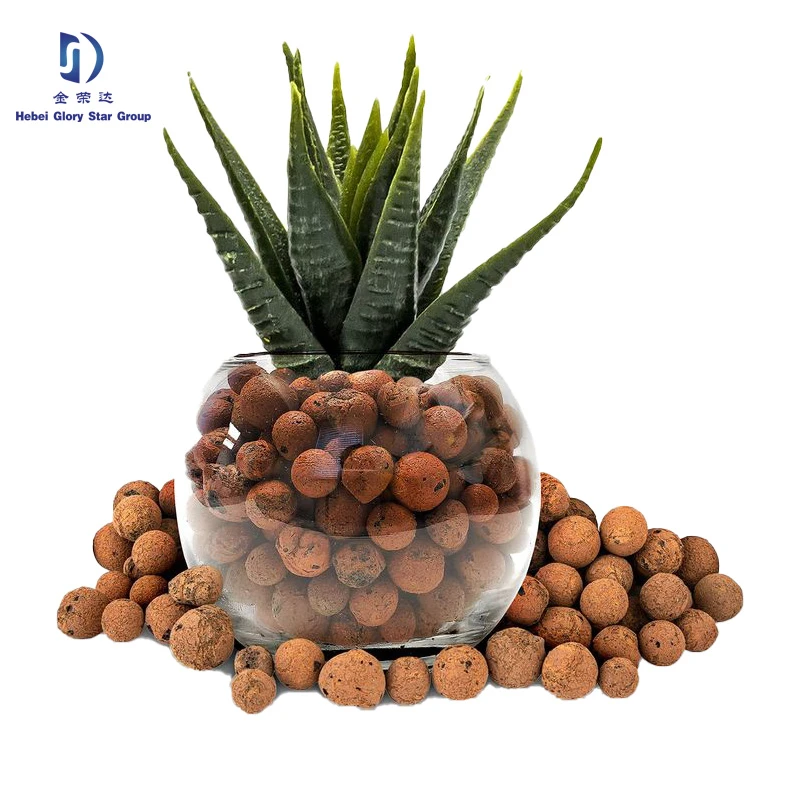
This property makes vermiculite valuable in industries needing fireproofing, insulation, or absorbency. For example, it's used in thermal insulation panels, soil conditioning, packaging fillers, and even as a medium in hydroponics. Oddly enough, despite its technical nature, it plays a surprisingly human role in emergency relief—think lightweight thermal blankets and insulation in refugee shelters, where sturdiness and insulation can mean life or death.
Key Aspects That Make Industrial Vermiculite Stand Out
1. Fire Resistance
Vermiculite's ability to withstand high temperatures without breaking down is one of the big draws. This means it’s commonly used in insulation for furnaces, boilers, and fireproof boards—quite literally saving property and lives by containing or delaying the spread of fire.
2. Lightweight and Insulating
Once exfoliated, vermiculite expands up to 30 times its original volume, becoming a fluffy and extremely light material. This makes it fantastic for lightweight construction panels and insulation materials—effectively reducing building weight without sacrificing thermal resistance.
3. Absorbency and Chemical Stability
Water and chemical absorbency make it a handy material for spill control and filtration. Because it doesn’t react with acids or alkalis, it can handle harsh environments without degrading.
4. Sustainable Mining and Renewability
Vermiculite mining tends to have a moderate environmental footprint compared to synthetic alternatives. Many companies are investing in greener extraction and supply chain methods—cutting down energy use and waste.
5. Cost Efficiency and Scalability
Compared with high-tech insulators or synthetic fillers, vermiculite is often a cost-effective, scalable choice—offering industries a great balance of price and performance, especially in large volume applications.
Mini Takeaway: The magic of industrial vermiculite lies in its unique physical and chemical traits—fire resistance, light weight, absorbency, and sustainability—that combine to offer practical, scalable benefits.
Global Applications: Where Does Industrial Vermiculite Really Make a Difference?
If you think vermiculite is niche, think again. In the U.S., vermiculite insulation is a common feature in older buildings, while new construction in Europe often incorporates it into eco-friendly wall panels and flooring systems. In Asia, agricultural uses are booming, improving soil aeration and moisture retention in rice paddies — a real game-changer in monsoon-prone regions.
In post-disaster contexts — such as after wildfires or floods — lightweight vermiculite insulation is preferred for emergency shelter construction, providing rapid thermal regulation without heavy logistics.
Major industrial exporters include South Africa, China, and Brazil, serving a growing international market that includes industries like petrochemical, agriculture, transportation, and construction. Even niche fields like specialty packaging and cosmetics use vermiculite due to its inertness and moisture control.
Why Industrial Vermiculite Is Worth the Investment: Advantages and Long-Term Value
- Cost Savings Over Time: The energy efficiency it brings often pays for itself through reduced heating and cooling bills.
- Environmental Benefits: Naturally sourced, recyclable, and often non-toxic — it aligns perfectly with sustainability goals.
- Safety and Reliability: In fire risk scenarios, vermiculite dramatically improves safety margins, earning trust worldwide.
- Social Impact: By improving emergency shelter insulation, it enhances dignity and comfort for displaced populations.
- Innovation Friendly: Its versatility has led to new material composites and construction techniques, pushing the envelope of what’s possible.
People sometimes overlook how intangible benefits—like trust in a material or the peace of mind that comes with safety—can influence long-term industrial decisions. Vermiculite covers these bases neatly.
Industrial Vermiculite Specification Table
| Property | Typical Value | Unit |
|---|---|---|
| Bulk Density (exfoliated) | 60–120 | kg/m³ |
| Thermal Conductivity | 0.04–0.07 | W/(m·K) |
| Expansion Ratio | 10–30x | times original volume |
| Fire Resistance Threshold | ~1100 | °C |
| pH | 7.0–11.0 | (neutral to basic) |
Comparing Top Industrial Vermiculite Vendors
| Vendor | Origin | Grade Options | Minimum Order | Sustainability Practices |
|---|---|---|---|---|
| VermiGlobal Corp. | South Africa | Coarse, Medium, Fine | 10 tons | Water recycling, low-impact mining |
| China Mineral Supplies | China | Medium, Fine | 5 tons | ISO 14001 Certified |
| Brazil Mineral Works | Brazil | Coarse, Fine | 8 tons | Renewable energy-powered quarry |
Emerging Trends and Innovations in Industrial Vermiculite
There’s a quiet revolution happening here. New composite materials are being created by combining exfoliated vermiculite with bio-based polymers to create insulation panels that are stronger, lighter, and fully recyclable. Digital transformation means more precise mining and screening methods, cutting waste and improving grade consistency. Some firms are experimenting with vermiculite-infused paints and coatings that enhance fire resistance and boost moisture control.
Green energy integration in extraction and processing is another front—some quarries now run on solar or wind power, a step that seems minor but adds up in reducing carbon footprints significantly.
Addressing Challenges: Solutions on the Horizon
One big challenge with industrial vermiculite has always been its sourcing. Mines are limited geographically, and supply chains sometimes suffer disruptions. Quality inconsistencies can also affect some high-end applications. But advances in beneficiation and blending techniques mean more uniform products. Plus, better logistics platforms are linking small suppliers across continents, ensuring steady supply even amid global instabilities.
Also, regulatory concerns regarding asbestos contamination have historically caused suspicion around vermiculite. Strict testing protocols and certifications now help vendors offer guaranteed asbestos-free grades, reassuring buyers worldwide.
FAQs: Practical Answers About Industrial Vermiculite
- Q: Is industrial vermiculite safe and asbestos-free?
A: Yes, the industry follows strict testing and certification standards to ensure vermiculite used industrially is asbestos-free, conforming to ISO and other regulations. - Q: What makes industrial vermiculite better than synthetic insulators?
A: Vermiculite is naturally fire-resistant and lightweight, with good thermal and moisture insulating properties—all at usually lower environmental impact and cost compared to synthetics. - Q: How can I specify the right grade for my project?
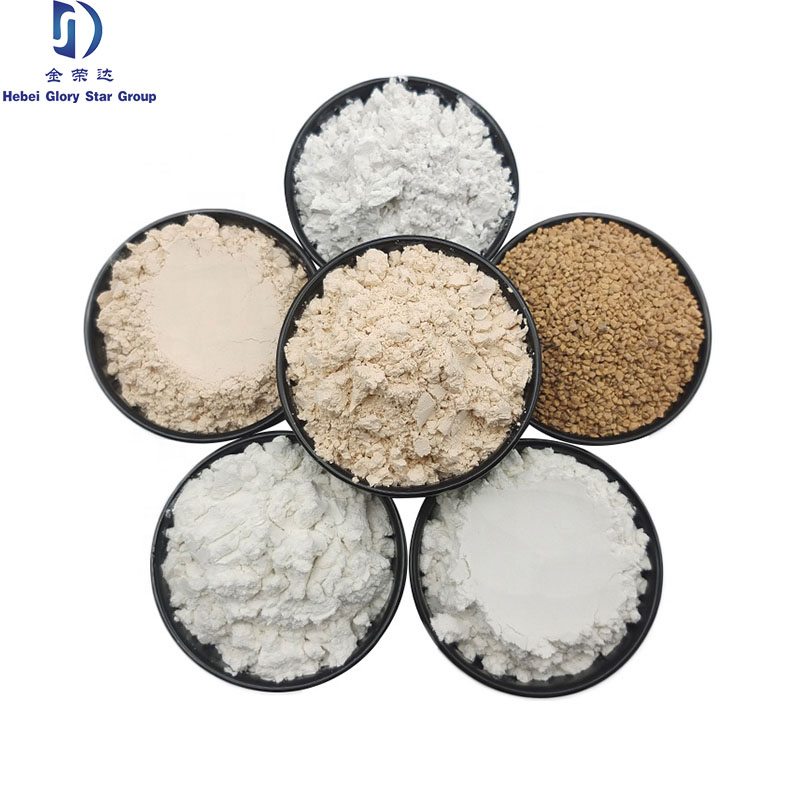
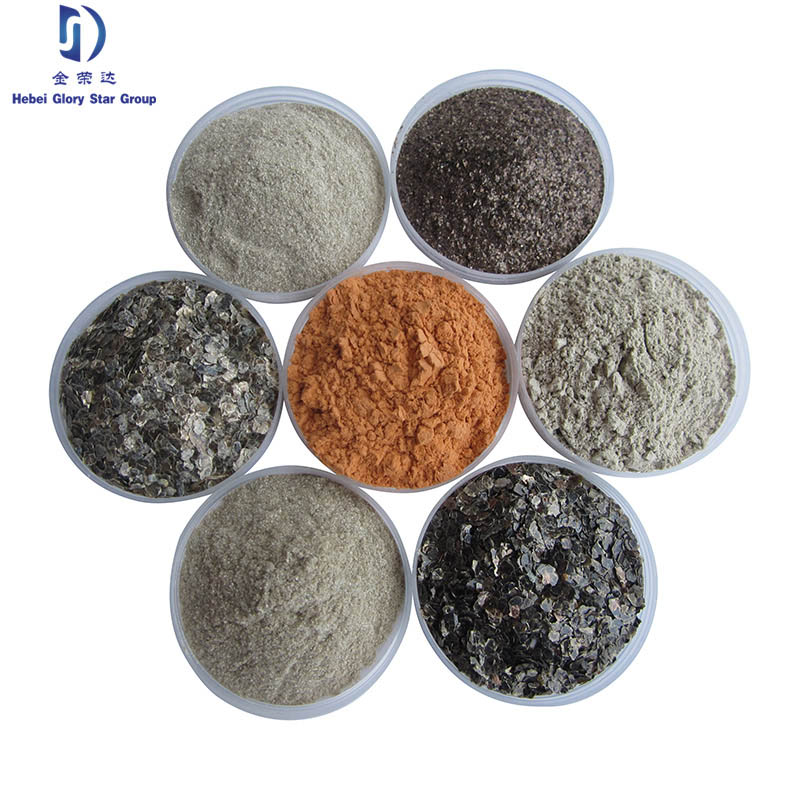
A: Grades vary by particle size and expansion ratio; coarse grades are often used in construction, finer for agriculture or filtration. Vendors like industrial vermiculite suppliers can help select tailored grades. - Q: How reliable is the global supply chain for vermiculite today?
A: While some regional dependence exists, global trade has diversified, with steady supplies from multiple continents. New digital tracking tools help mitigate disruptions. - Q: Can vermiculite be recycled or reused?
A: Generally, yes. Vermiculite insulation and fillers can be reclaimed and sometimes reused, especially in non-contaminated industrial contexts, supporting circular economy goals.
In Summary: Why Industrial Vermiculite Deserves a Spot in Your Next Project
All told, industrial vermiculite offers a compelling mix of natural, sustainable materials science with real-world utility and long-term benefits. It’s a proven performer across fireproofing, insulation, agriculture, and disaster relief—and with innovations and greener sourcing strategies ahead, it’s set to keep growing its industrial footprint.
If you want to explore how industrial vermiculite can help your operations or projects, don’t hesitate to visit the website and connect with suppliers who understand your needs.
References
- United Nations Environment Programme (UNEP) – Sustainable Materials Management Reports, 2023.
- International Organization for Standardization (ISO) – ISO 9001 & ISO 14001 Certifications for Vermiculite Mining, 2023.
- Wikipedia contributors – Vermiculite. Wikimedia Foundation.
Post time: Dec-13-2025
.png "About")