

In the dynamic realm of industrial manufacturing, calcium carbonate stands as a cornerstone material, especially in the paint industry. Hebei Junlan Packaging Technology Co., LTD, a key player in supplying high - quality calcium carbonate, plays a pivotal role in catering to the diverse needs of paint manufacturers. This article, from a wholesaler’s perspective, delves deep into the industrial use of calcium carbonate in paints, exploring its specifications, functions, and the value it brings to paint formulations across various applications.
Unveiling the Role of Calcium Carbonate in the Paint Industry
Calcium carbonate, available in heavy (ground) and light (precipitated) forms, is integral to paint production. Hebei Junlan Packaging Technology Co., LTD offers a spectrum of calcium carbonate products, each tailored to meet specific paint formulation requirements. Heavy calcium carbonate, derived from natural calcite, boasts high purity and whiteness, while light calcium carbonate, produced through chemical processes, exhibits unique properties like higher oil absorption.
The industrial use of calcium carbonate in paints is far - reaching, influencing aspects such as paint opacity, durability, and cost - effectiveness. Grasping the specifications and functions of these products is essential for wholesalers to effectively support paint manufacturers in creating high - performance coatings.
Specifications of Calcium Carbonate for Paints
Heavy (Ground) Calcium Carbonate (GCC)
Heavy calcium carbonate, or GCC, supplied by Hebei Junlan Packaging Technology Co., LTD, comes with notable specifications:
- Purity: With a minimum purity of 98% (and even higher in some test results, e.g., 98.7% as seen in product testing), it ensures that paint formulations remain free from detrimental impurities.
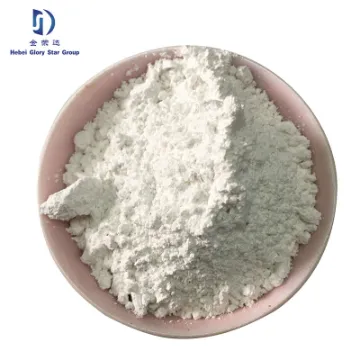
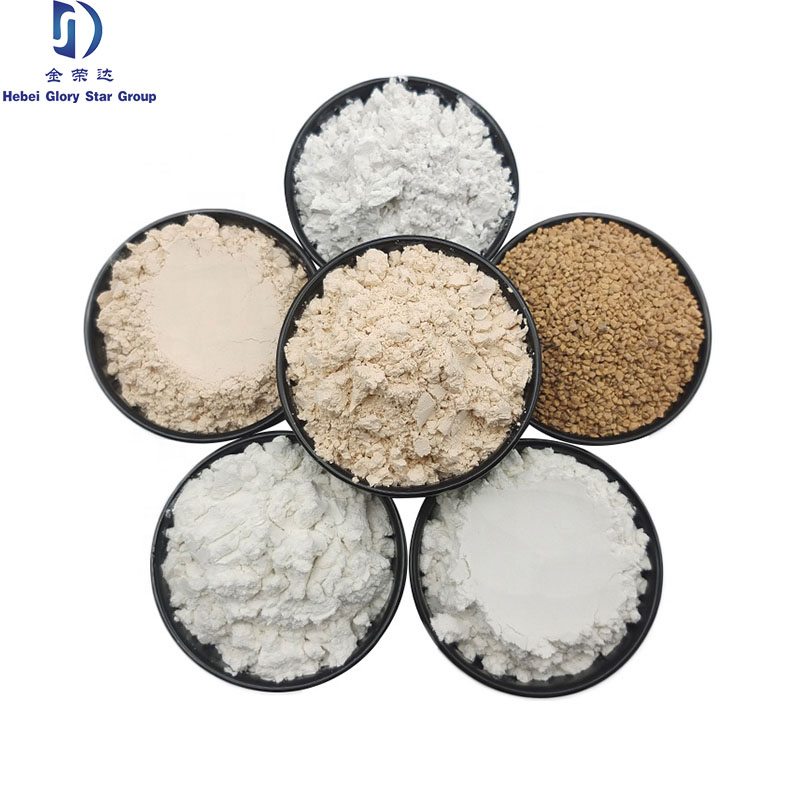
- Appearance: Presented as a white powder, it contributes to the brightness and whiteness of paints, enhancing their aesthetic appeal.
- Particle Size: Ranging from under 400 mesh to 2000 mesh or above, it allows for customization based on paint viscosity and application needs. Finer particles can impart a smoother texture to high - end decorative paints, while coarser particles may be suitable for industrial coatings requiring enhanced durability.
Light (Precipitated) Calcium Carbonate (PCC)
Light calcium carbonate, or PCC, from the company has distinct properties:
- pH Value: Typically ranging from 9.5 - 10.2, it helps in maintaining the alkalinity of paint formulations, ensuring stability over time.
- Oil Absorption: Higher than that of heavy calcium carbonate (e.g., 24 - 35 mL/g), it influences the rheological properties of paints, affecting their flow and leveling characteristics.
- Particle Size: Generally smaller on average, it facilitates better dispersion and opacity in paints, contributing to a more uniform finish.
Functions of Calcium Carbonate in Paint Formulations
Boosting Opacity and Whiteness
The high whiteness of calcium carbonate (e.g., whiteness ≥90% for heavy calcium carbonate, and up to 98% in certain grades from Hebei Junlan) significantly enhances the opacity of paints. This reduces the reliance on more expensive opacifying agents like titanium dioxide, thereby cutting costs while maintaining excellent coverage. In white and light - colored paints, it ensures a bright, consistent finish that is visually appealing.
Enhancing Durability and Scrub Resistance
Calcium carbonate particles act as reinforcing agents within paint films. In architectural paints, this property is crucial as it enables painted surfaces to withstand frequent cleaning and environmental abrasion. By enhancing scratch and scrub resistance, calcium carbonate prolongs the lifespan of the paint, ensuring long - term protection and aesthetic appeal for surfaces.
Regulating Rheology and Viscosity
The particle size and shape of calcium carbonate have a profound impact on the rheological properties of paints. Heavy calcium carbonate, with its relatively larger and irregular particles, can thicken the paint and prevent sedimentation, making it suitable for paints that need to maintain their consistency during storage and application. Light calcium carbonate, with its smaller particles, contributes to better flow and leveling properties, ensuring a smooth and even application on various surfaces.
Ensuring Cost - Effectiveness
As an abundantly available and cost - effective filler, calcium carbonate is a boon for paint manufacturers. It helps in reducing the overall formulation cost without compromising on performance. Hebei Junlan Packaging Technology Co., LTD’s ability to provide high - quality calcium carbonate at competitive prices makes it an attractive choice for paint producers aiming to balance quality and cost in their products.
Table: Calcium Carbonate Specifications for Paints (Hebei Junlan Products)
|
Parameter |
Heavy Calcium Carbonate |
Light Calcium Carbonate |
Relevance to Paints |
|
Purity (CaCO3 Content) |
≥98% |
≥98% |
Guarantees minimal impurities, ensuring stable paint performance |
|
Whiteness |
≥90% (up to 98%) |
≥95% |
Enhances paint opacity and brightness, improving visual appeal |
|
Particle Size |
3.0 - 5.0μm (average) |
Smaller (e.g., 11μm for some grades) |
Influences rheology, smoothness, and sedimentation, catering to different paint types |
|
Oil Absorption |
Lower (e.g., 24g/100g CaCO3) |
Higher |
Impacts paint viscosity and flow properties, affecting application and finish |
|
pH Value |
8.0 - 10.5 |
9.5 - 10.2 |
Maintains paint alkalinity, ensuring long - term stability |
Industrial Use of Calcium Carbonate FAQS
What makes calcium carbonate a preferred choice for industrial use of calcium carbonate in paints?
Calcium carbonate is preferred for industrial use of calcium carbonate in paints due to its high purity, whiteness, and ability to enhance key properties like opacity, durability, and rheology. Hebei Junlan Packaging Technology Co., LTD offers calcium carbonate products with customized specifications (such as particle size and oil absorption) that align with diverse paint formulation needs. Moreover, its cost - effectiveness allows paint manufacturers to produce high - quality paints while managing production costs efficiently.
How does the particle size of calcium carbonate influence paint quality?
The particle size of calcium carbonate has a significant impact on paint quality. Finer particles, as seen in light calcium carbonate or specific grades of heavy calcium carbonate from Hebei Junlan, contribute to better smoothness and flow, making them ideal for high - end or decorative paints. Larger, more irregular particles, typical of heavy calcium carbonate, help in thickening the paint, preventing sedimentation, and enhancing scrub resistance, which is suitable for architectural and industrial paints.
Can calcium carbonate from Hebei Junlan be incorporated into eco - friendly paint formulations?
Yes, calcium carbonate from Hebei Junlan can be used in eco - friendly paint formulations. Its low heavy metal content (for example, lead and arsenic content can be lower than 0.3 in some grades) and natural origin (for heavy calcium carbonate) are in line with the demand for sustainable and non - toxic paint ingredients. Additionally, its cost - effectiveness supports the production of eco - friendly paints without incurring excessive costs.
What are the differences between heavy and light calcium carbonate in paint applications?
Heavy and light calcium carbonate differ in paint applications based on their production methods and properties. Heavy calcium carbonate, ground from natural calcite, is cost - effective, stable, and suitable for enhancing scrub resistance and thickening paints. Light calcium carbonate, produced through chemical precipitation, has smaller particles, higher oil absorption, and better flow properties, making it ideal for paints that require smooth application and high opacity. Hebei Junlan Packaging Technology Co., LTD provides both types, enabling paint manufacturers to select the most appropriate one for their formulation requirements.
How does calcium carbonate contribute to cost - effective paint production?
Calcium carbonate contributes to cost - effective paint production by serving as a low - cost yet high - performance filler. It reduces the need for more expensive ingredients like titanium dioxide for providing opacity. Hebei Junlan Packaging Technology Co., LTD’s ability to supply high - quality calcium carbonate at competitive prices further enhances cost - effectiveness, allowing paint manufacturers to produce quality paints while keeping production costs under control.
Calcium carbonate, with its diverse specifications and functions, is an essential component in paint manufacturing. Hebei Junlan Packaging Technology Co., LTD’s dedication to providing high - quality heavy and light calcium carbonate products meets the varied needs of the calcium carbonate industry in the paint sector.
From enhancing opacity and durability to controlling rheology and reducing costs, calcium carbonate plays a multi - faceted role. Wholesalers, by understanding these aspects, can effectively support paint manufacturers in formulating paints that meet performance, quality, and cost requirements. As the demand for innovative and sustainable paint solutions continues to grow, the industrial use of calcium carbonate will remain a cornerstone in the coatings industry, driving progress and excellence in paint production.
Post time: Oct-15-2025




.png "About")