

Hydroponics Clay Pebbles: A Field Note From the Grow Room and the Jobsite
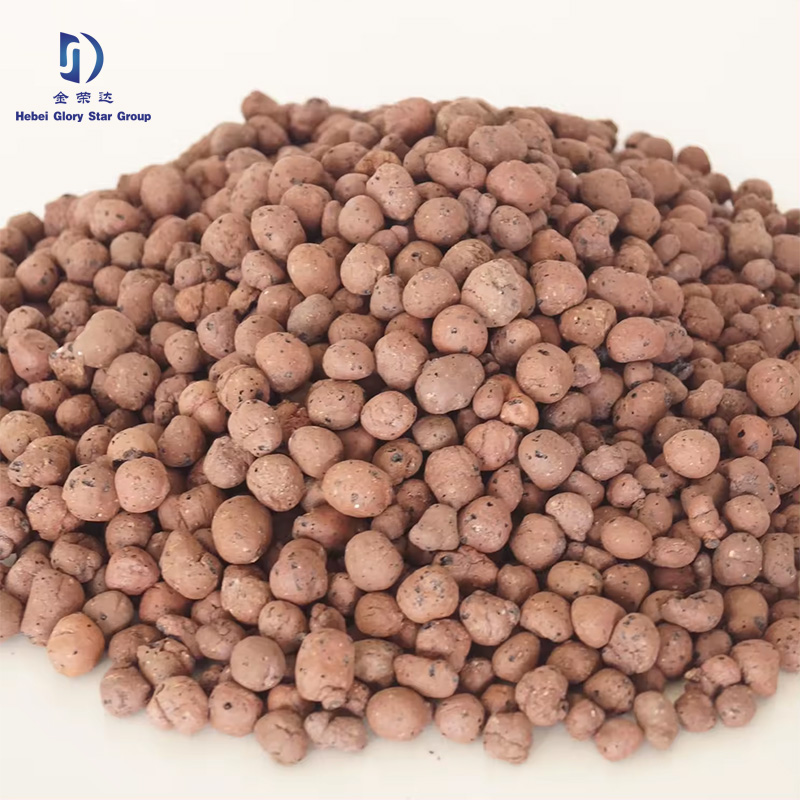
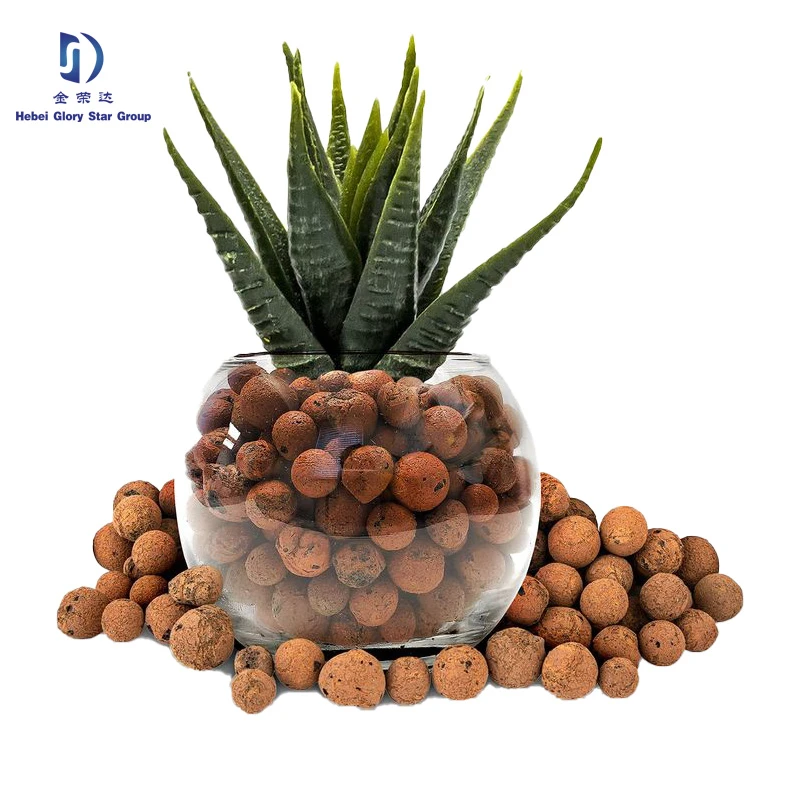
I’ve handled my fair share of media—from rockwool to coco—and when people ask what I recommend for reliability, I often point them to hydroponics clay pebbles. Not because it’s trendy (though it is), but because it behaves predictably under stress. These are Lightweight Expanded Clay Aggregate (LECA), fired in rotary kilns until they puff up like tiny lava popcorn. Sounds dramatic; in fact, it’s just smart materials engineering.
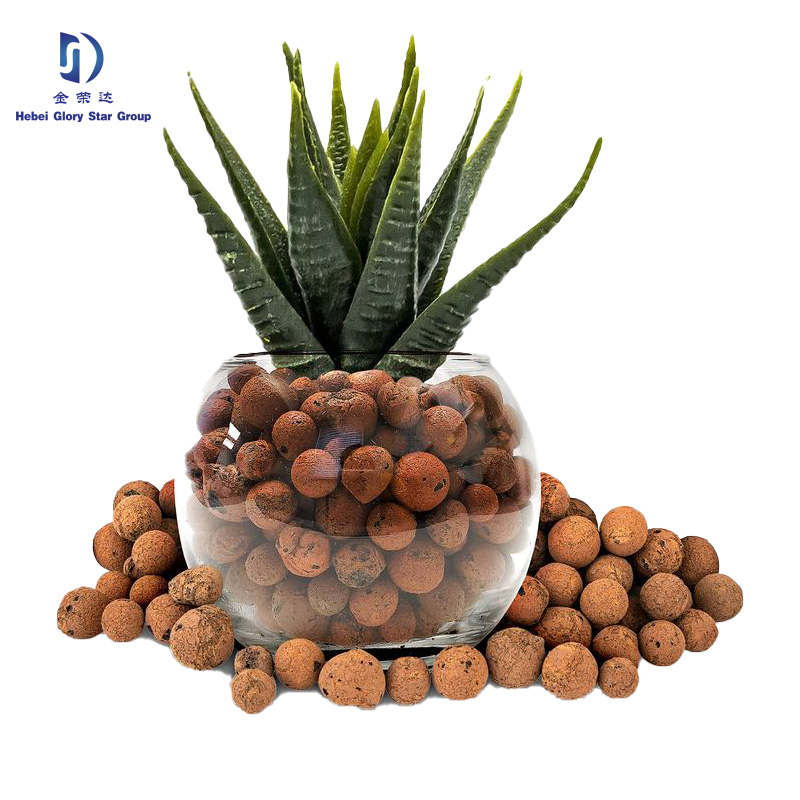
What’s moving the market
Two currents are shaping demand: commercial hydroponics scaling up (think controlled environment agriculture) and construction seeking lighter, safer fills. Surprisingly, the same pellet that roots basil also insulates rooftop gardens and backfills around utilities. Cross-industry versatility is the quiet story here.
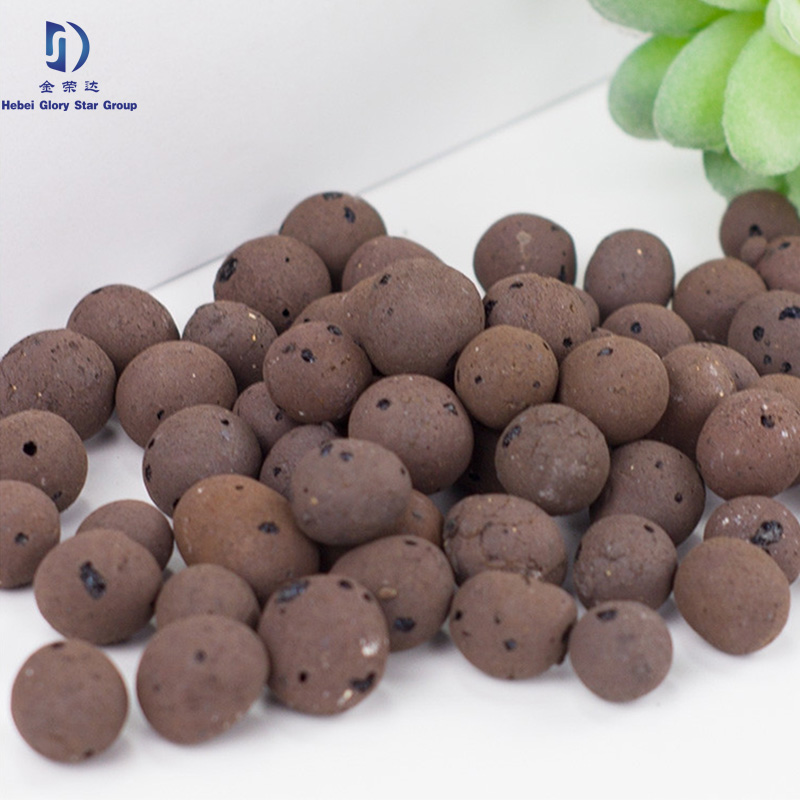
Process flow (how it’s made, in plain English)
- Materials: selected clay, pelletized into balls.
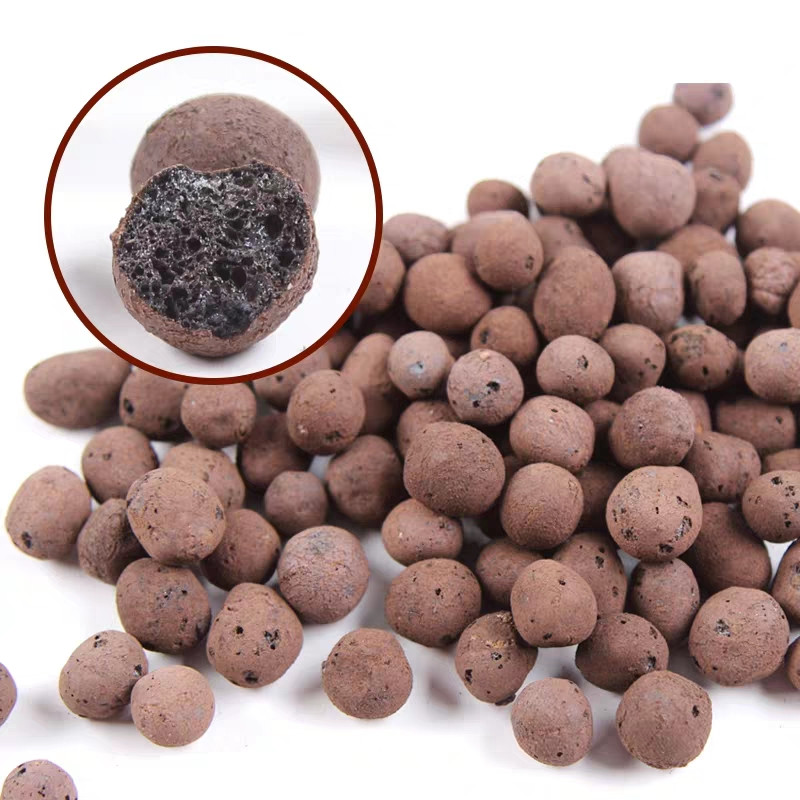
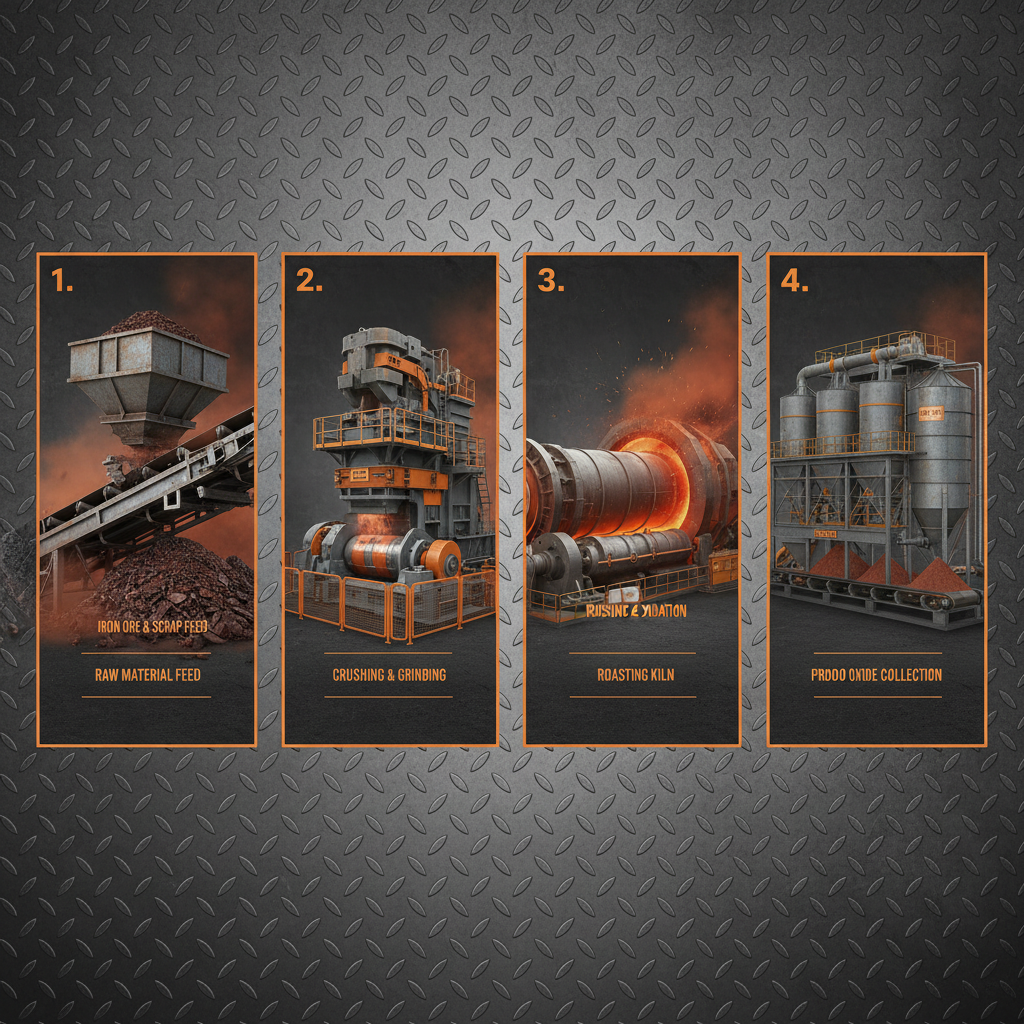
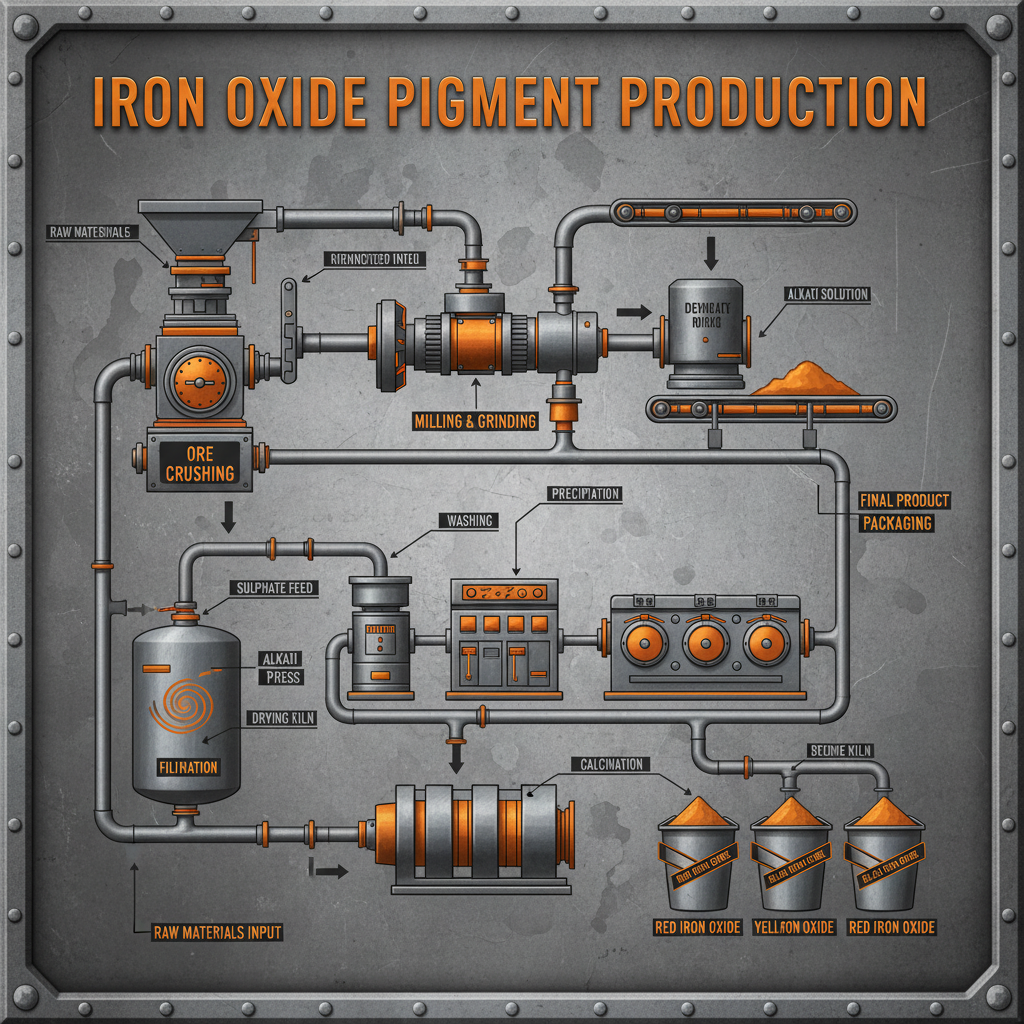
- Methods: high-temperature firing in a rotary kiln; internal gases expand the core, creating closed and open pores.
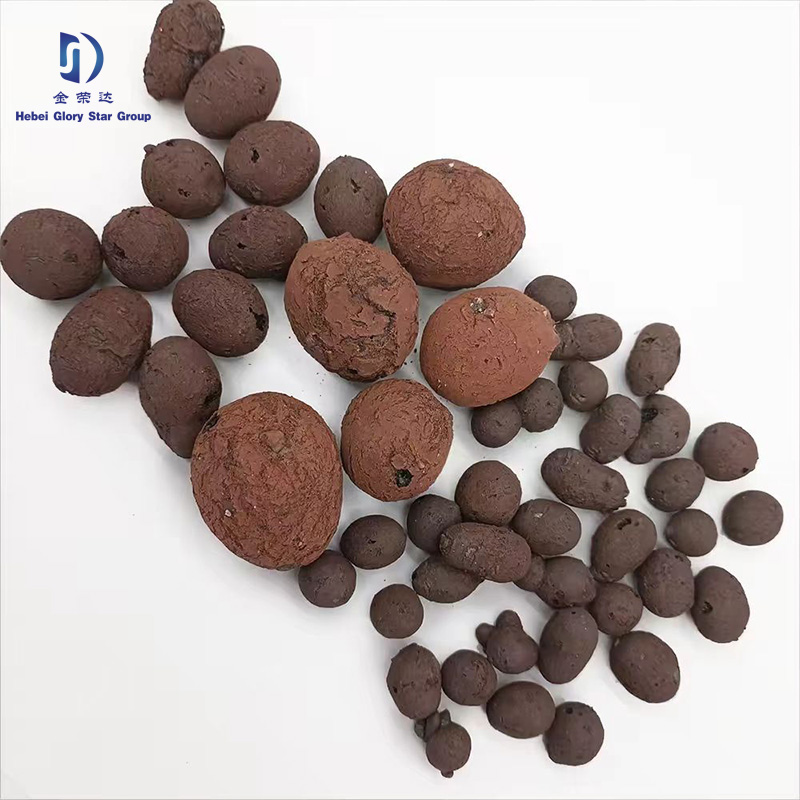
- Post-processing: cooling, grading (e.g., 4–10 mm, 8–16 mm), dedusting; for horticulture, optional pre-wash.
- Testing standards often referenced: EN 13055 (lightweight aggregates), EN 13041 (substrate physical properties), EN 13038 (pH), ASTM C29/C29M (bulk density). Real-world use may vary by lab.
- Service life: many growers reuse for 5–10 years with periodic sterilization (boil, H2O2, or steam), construction fills last far longer.
- Industries: hydroponics/aquaponics, landscaping, green roofs, lightweight concrete, drainage layers, sound/thermal insulation.
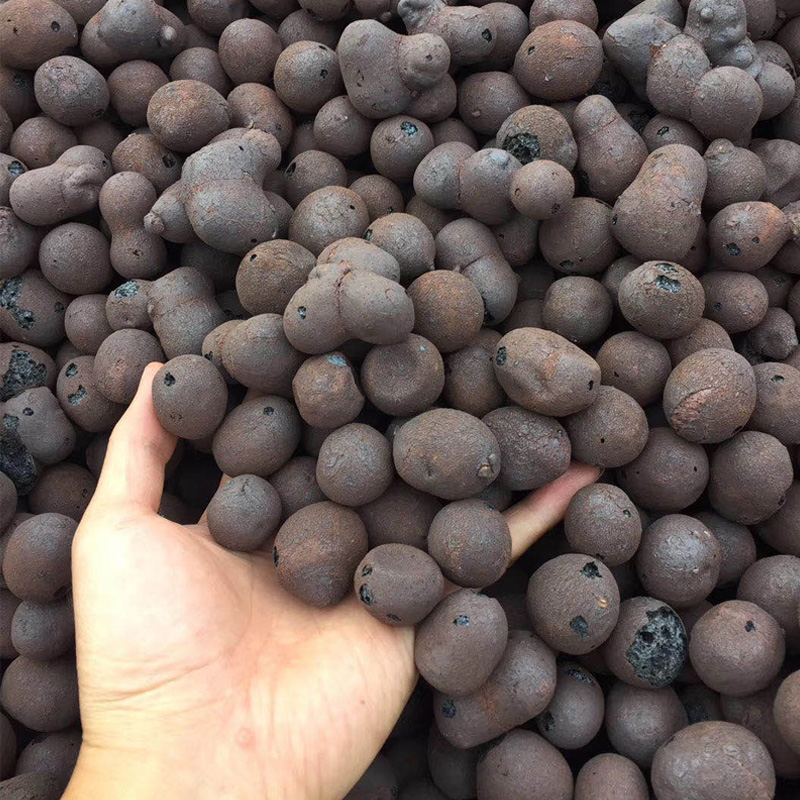
Product specs (typical ranges)
| Item | Hydroponics Clay Pebbles Lightweight Expanded Clay Aggregate |
|---|---|
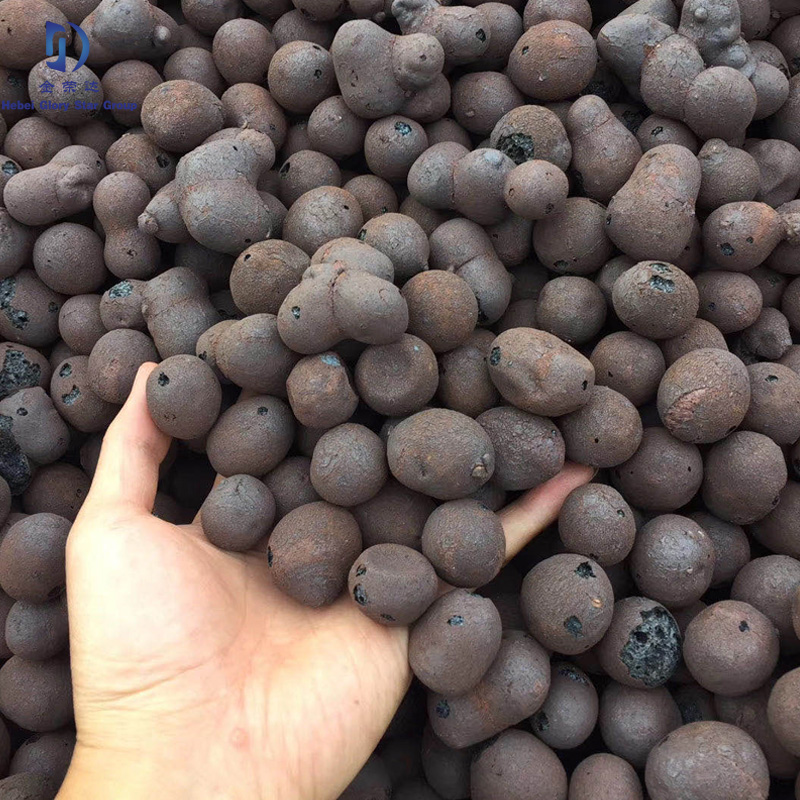
| Particle sizes | ≈4–10 mm, 8–16 mm (custom on request) |
| Bulk density (dry) | ≈280–420 kg/m³ (ASTM C29 / EN 13055) |
| Water absorption (24 h) | ≈15–25% w/w |
| pH / EC | pH 6.5–7.5; EC < 0.5 mS/cm (EN 13038 methods) |
| Porosity | ≈60–75% |
| Crush strength (pellet avg.) | around 1–2 MPa; handle gently when saturated |
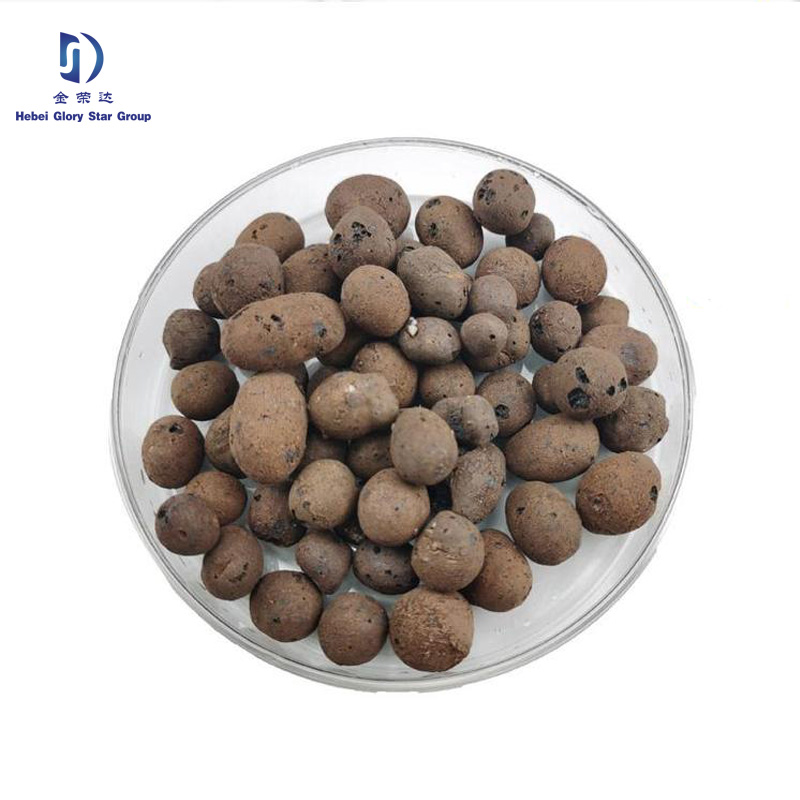
Where it shines
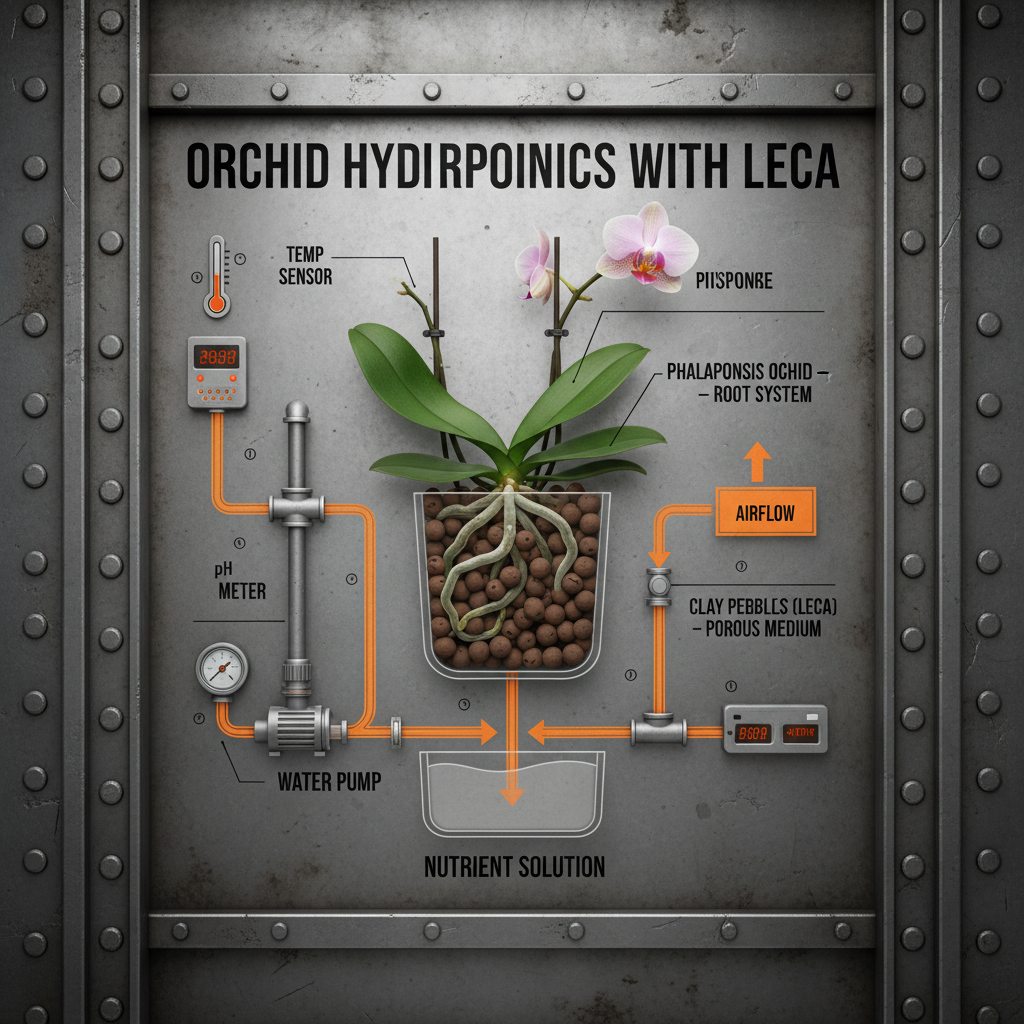
- DWC, drip, ebb-and-flow benches: great root aeration and capillary action.
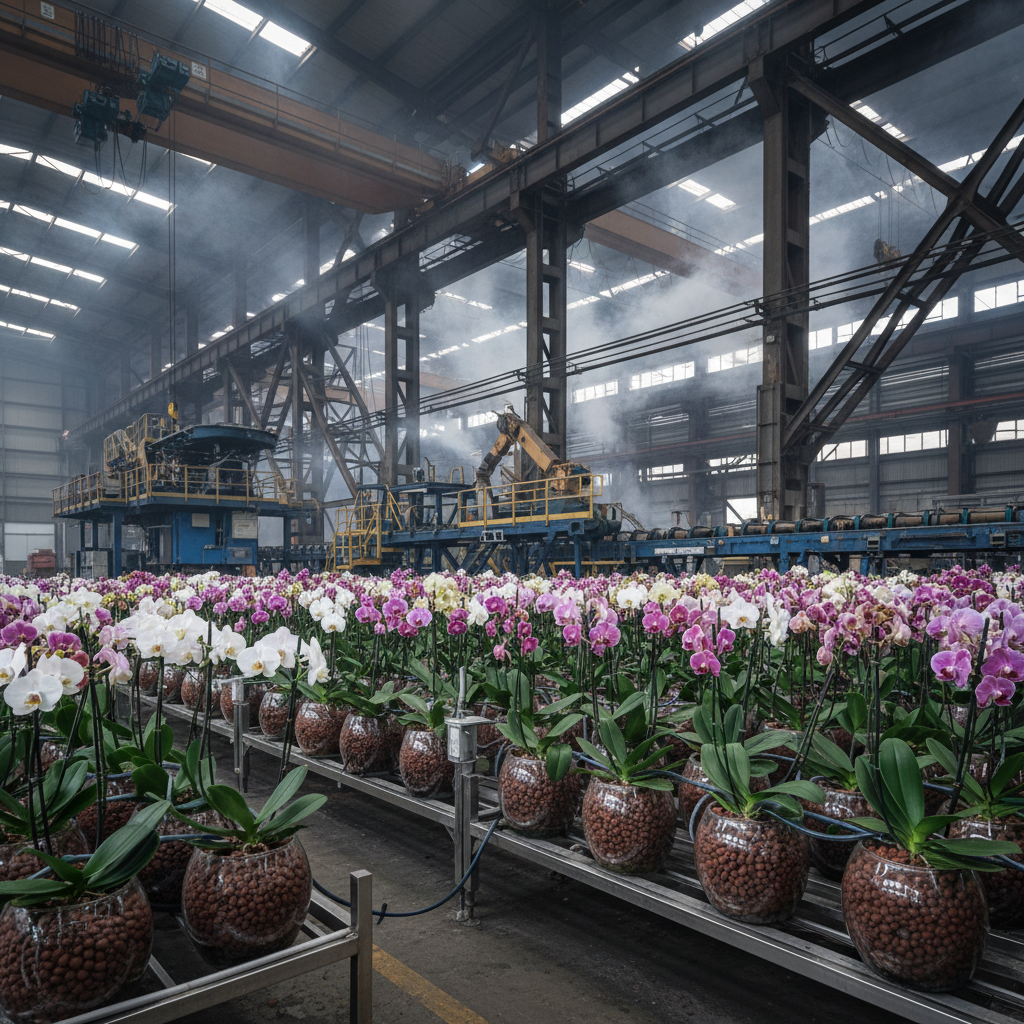
- Orchid/aroid mixes: mixes well with bark for airflow.
- Aquaponics: inert, easy to rinse; fish keepers like the biofilm development.
- Green roofs and planters: lightweight drainage layers, insulation bonus.
Many customers say the biggest surprise is stability—plants don’t topple as easily in windy rooftop beds. I guess that’s the density/shape combo at work.
Vendor comparison (condensed)
| Vendor | Location | Sizes | Pre-wash | Docs/QA | Lead time |
|---|---|---|---|---|---|
| Glory Star Export | 368 Youyi North St., Shijiazhuang, Hebei, China | 4–10, 8–16 mm | Optional | COA, SDS; aligns with EN/ASTM tests | ≈2–4 weeks ex-works |
| EU Brand A | EU | 4–8, 8–16 mm | Yes | RHP substrate tests; ISO 9001 listed | ≈1–2 weeks regional |
| OEM Importer | APAC/US | Varies | Varies | Basic COA; test on arrival advised | ≈3–6 weeks |
Customization and logistics
Packaging often includes 2 L/5 L/10 L retail bags, 50 L sacks, or ≈1 m³ bulk bags. Private label printing is common. For hydroponics clay pebbles, I recommend specifying size range, wash level, and dust cap. Moisture-protective liners help in humid ports.
Testing, certifications, and a pinch of real data
Recent batches I reviewed showed EC 0.2–0.3 mS/cm and pH ~7.2 after a 24 h soak—clean enough for seedlings. Vendors typically reference EN 13041 physical tests and provide COAs. Certifications you may see in the market: ISO 9001 (quality systems), ISO 14001 (environment), and RHP for horticultural substrates. To be honest, always rinse before first use; it reduces dust and stabilizes EC faster.
Quick case notes
- Tomato greenhouse, Gulf region: drip lines into hydroponics clay pebbles cut root diseases by ~30% season-on-season, per the grower’s logbook.
- Urban orchids, EU: mix of bark + hydroponics clay pebbles improved airflow; fewer rot incidents reported.
- Green roof retrofit, NA: LECA drainage reduced structural load by ≈40% compared with mineral gravel, according to the engineer’s submittal.
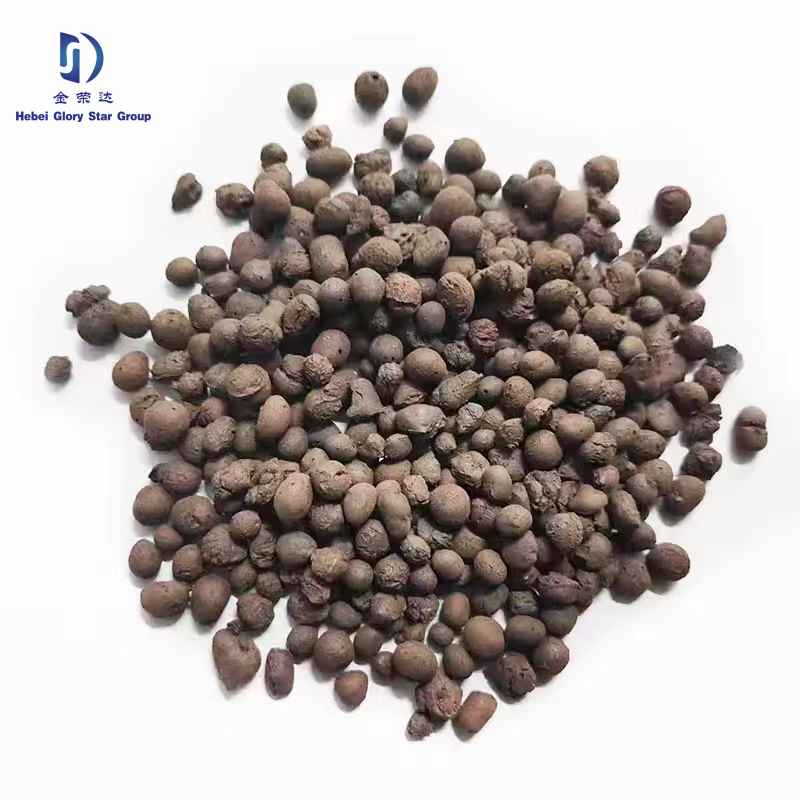
If you need a steady, inert medium that doubles as a construction fill, hydroponics clay pebbles are hard to beat. Not perfect—dust happens, and pre-soak takes time—but the consistency is why pros keep ordering.
Authoritative citations
- EN 13055:2016 — Lightweight aggregates for concrete, mortar and grout; and for civil engineering applications (CEN).
- EN 13041:2011 — Soil improvers and growing media — Physical properties (CEN).
- EN 13038:2011 — Soil improvers and growing media — Determination of pH (CEN).
- ASTM C29/C29M — Standard Test Method for Bulk Density (Unit Weight) and Voids in Aggregate (ASTM International).
- FAO. Small-scale hydroponics: A guide to non-soil cultivation. Food and Agriculture Organization of the United Nations.
Post time: Oct-13-2025



.png "About")