

Horticultural Vermiculite is a key solution in the industry, specifically within industrial horticulture and commercial agriculture. This article explores how https://www.glorystarexport.com supports professionals with durable, high-performance products, and explains why this product is an ideal choice for businesses in these sectors.
Table of Contents
- Horticultural Vermiculite Overview
- Benefits & Use Cases of Horticultural Vermiculite
- Cost, Maintenance & User Experience
- Sustainability & Market Trends
Horticultural Vermiculite Overview
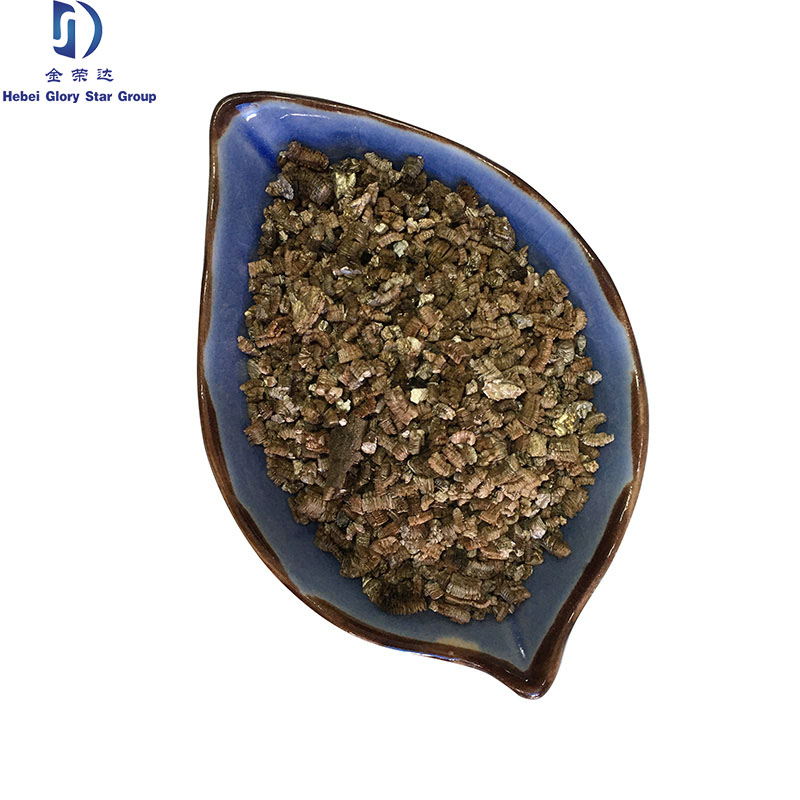
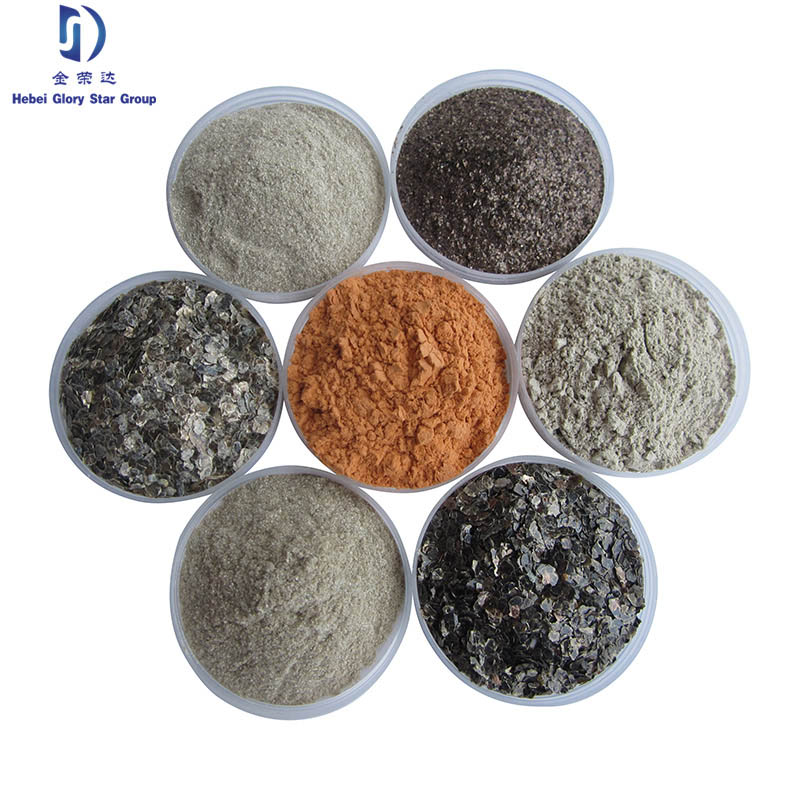
Horticultural vermiculite is a naturally occurring mineral that undergoes a rapid heating process to expand into lightweight, porous granules. This transformation enhances its remarkable ability to retain moisture, aerate soil, and promote root growth, making it indispensable for commercial growers and landscaping professionals alike. From seed starting to soil conditioning, it offers an adaptable medium suited for numerous horticultural applications.
- Vermiculite’s particle sizes vary typically from 1mm to 4mm, with water-holding capacity around 3-4 times its weight.
- Technical case studies have demonstrated that crops grown in vermiculite blends show improved germination rates and healthier root systems compared to traditional soil.
Benefits & Use Cases of Horticultural Vermiculite
In industrial horticulture, horticultural vermiculite shines as a soil amendment and a carrier medium for hydroponics. Its ability to retain moisture keeps plants hydrated longer, which can be a game-changer for large-scale nurseries seeking efficiency. It’s not just about water-holding, though; vermiculite also helps buffer pH levels and improves aeration—two factors often overlooked but critical to sustained plant health.
- Used extensively for seed germination and propagation due to its sterile, inert nature.
- Competitive advantage includes excellent longevity and stability under fluctuating environmental conditions.
| Property | Typical Value | Unit |
|---|---|---|
| Particle Size | 1 - 4 | mm |
| Bulk Density | 100 - 150 | kg/m³ |
| Water Holding Capacity | 300 - 400 | % weight |
| pH | 6.5 - 7.2 | - |
Cost, Maintenance & User Experience
From a cost perspective, horticultural vermiculite offers a solid return on investment thanks to its longevity and ease of maintenance. It remains stable through multiple growing cycles without significant degradation, reducing the need for frequent replenishment. Many growers report savings in water and fertilizer usage as vermiculite's retention properties minimize wastage.
- Low maintenance, no special handling or disposal requirements.
- Customer feedback highlights improved plant vigor and reduced irrigation frequency.
| Supplier | Shipping Capacity | Certification | Price Range | Special Features |
|---|---|---|---|---|
| Glory Star Export | 2000+ tons/month | ISO 9001, GMP | $$$ | Custom sizing, rapid delivery |
| Supplier B | 1000 tons/month | ISO 14001 | $$ | Standard grades only |
| Supplier C | 500 tons/month | No cert. | $ | Basic product line |
Sustainability & Market Trends
Sustainability is no longer a buzzword but a necessity, and here horticultural vermiculite has an edge. Being a naturally abundant mineral, its extraction and production have relatively low environmental impact compared with synthetic alternatives. Globally, demand is surging due to its role in reducing water use, improving soil health, and supporting organic farming initiatives. Governments and regulators increasingly favor products that promote sustainability – vermiculite fits well in this evolving framework.
- Growth in hydroponics and organic food sectors drives higher vermiculite consumption.
- Industry innovation focusing on improved particle sizing and packaging for reduced waste.
Frequently Asked Questions about Horticultural Vermiculite
- What is Horticultural Vermiculite and how does it work?
- It’s an expanded mineral that retains moisture and improves aeration when mixed into soil or growing media, creating an environment ideal for seeds and roots.
- What are the main benefits of using Horticultural Vermiculite in industrial applications?
- Durability, moisture retention, superior nutrient retention, and enhanced plant growth efficiency help reduce overall costs and boost productivity.
- How does Horticultural Vermiculite compare to traditional alternatives?
- Unlike peat moss or perlite, vermiculite holds more water and nutrients while maintaining soil aeration, offering a balanced and consistent performance over time.
- What industries can benefit most from Horticultural Vermiculite implementation?
- Commercial agriculture, nursery and greenhouse operations, hydroponics growers, landscaping, and even some specialty industrial uses like insulation.
Conclusion on Horticultural Vermiculite from China
To sum up, horticultural vermiculite is a versatile, cost-effective solution for professionals demanding quality growth mediums. When sourced from reliable suppliers like Glory Star Export, it promises not only consistent performance but also sustainability credentials that reflect modern market priorities. If you’re considering a partnership for your horticultural needs, it's worth taking a closer look at what they offer – you'll likely find it fits your operational goals perfectly.
- Recap the value of Horticultural Vermiculite.
- - Visit our website: https://www.glorystarexport.com
References:
- Global Horticultural Materials Report, 2023
- Grower Insights Survey, 2022
- Glory Star Export Technical Datasheets
Post time: Dec-13-2025

.png "About")