

Why Horticultural Coarse Vermiculite Still Holds Its Ground in Modern Growing
Having worked in industrial horticulture and soil amendments for a good stretch, I can say this: horticultural coarse vermiculite is one of those quietly powerful materials you don’t always hear the loudest buzz about but is fundamental to many growers’ successes.
Oddly enough, vermiculite isn’t the first thing people think of when talking about plant health or soil improvements. But within the industry – both in large-scale farming and boutique garden operations – it’s prized for its unique texture and water-retention capacity. The “coarse” grade means it’s got enough chunkiness to improve soil aeration while still holding water — a pretty good combo if you ask me. Frankly, it’s a product that blends simplicity with functionality.
What Makes Coarse Vermiculite Ideal for Horticulture?
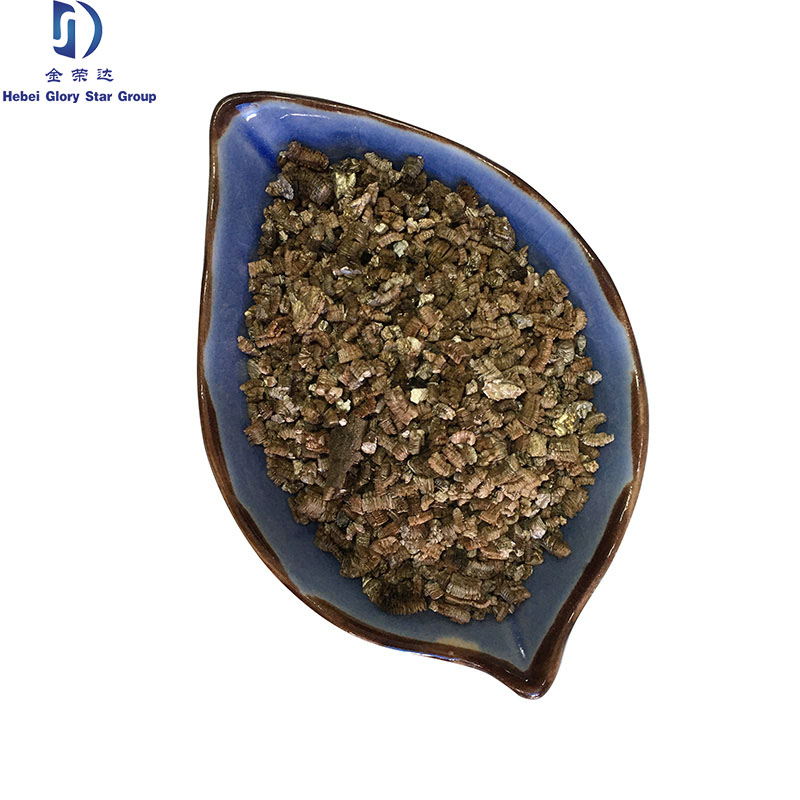
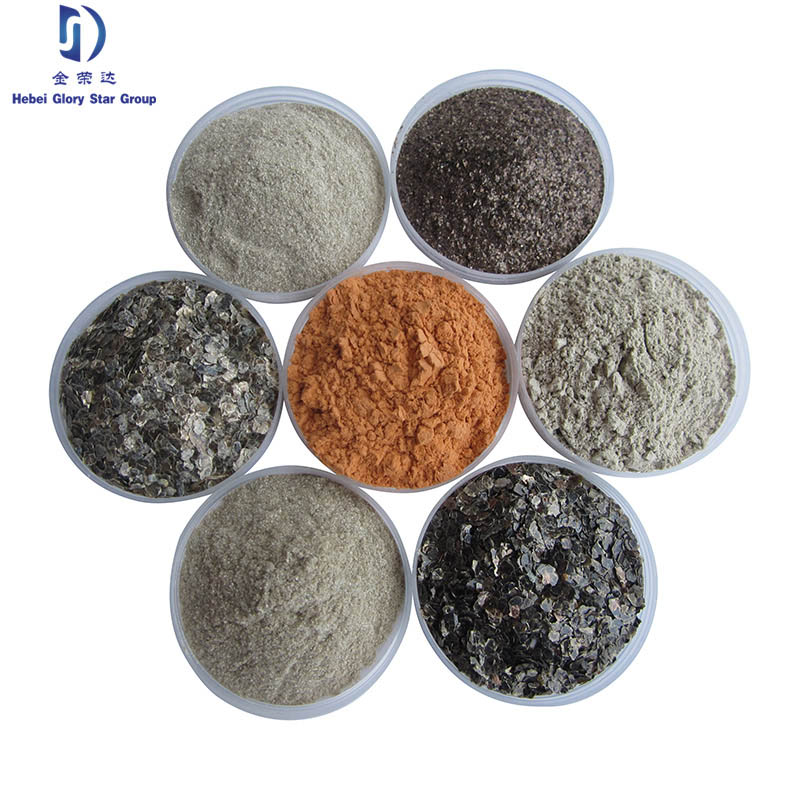
Vermiculite is a naturally occurring mineral that, when heated, expands into lightweight, accordion-shaped flakes. The coarse variety is sifted to a larger particle size, which is key for growers who want to improve drainage without sacrificing moisture retention. Many engineers and growers I know swear by it for starting seeds, mixing in potting soils, or even insulating root zones in container plants.
One of the quirks about vermiculite is how it balances physical properties. Its ability to hold up to 3-4 times its weight in water while keeping soil structure loose and airy is what often separates it from other soil additives. Plus, it's chemically inert—so it won't affect soil pH, which is a lifesaver when working with pH-sensitive crops.
Product Specifications: What You Should Know
| Specification | Details |
|---|---|
| Particle Size | 3-8 mm (Coarse Grade) |
| Bulk Density | 90-110 kg/m³ (Loose) |
| pH Range | 6.5 – 8.5 (Neutral to mildly alkaline) |
| Water Holding Capacity | Up to 300% of its weight |
| Thermal Stability | Up to 1000°C without breakdown |
Comparing Leading Horticultural Vermiculite Suppliers
After dealing with several suppliers over the years, it's striking how the right partner in supply can make or break your experience with a product like coarse vermiculite. It's not just about price — purity, consistent sizing, and logistics reliability matter too.
| Supplier | Particle Size Range | Purity (%) | Typical Price per Ton | Lead Time |
|---|---|---|---|---|
| Glorystar Export | 3-8 mm | 98% | $350 | 2 weeks |
| Vermicrop Solutions | 2-7 mm | 95% | $320 | 3 weeks |
| GreenGro Minerals | 4-9 mm | 97% | $370 | 1.5 weeks |
A Quick Reflection From the Field
One memory that sticks with me: a small organic nursery I visited recently was using coarse vermiculite mixed into their seedlings’ starter soil. They’d struggled for years to keep roots from drying out without waterlogging the trays. Once they added the vermiculite, not only did moisture become much easier to manage, but the seedlings seemed visibly more vigorous — thicker stems, brighter leaves — no joke.
It feels like that simple mineral is quietly boosting plant health in ways we still don’t fully appreciate. Something humble, steady, and reliable. If you haven’t tried it yet, maybe it’s time to reconsider. The mix of aeration, moisture retention, and neutral pH behavior is hard to beat.
Anyway, growing crops isn’t just about chemicals or fancy tech. Sometimes, it’s the straightforward materials like horticultural coarse vermiculite that really keep the roots happy and the future green.
References & Notes
- Industry observations and field feedback from horticultural projects (2019–2023).
- Material safety and technical datasheets provided by major vermiculite suppliers.
- Conversations with agronomists and soil scientists on soil amendments and water retention.
Post time: Nov-13-2025

.png "About")