Mica, a sheet silicate mineral, is renowned for its perfect basal cleavage, resulting in its ability to be split into thin, flexible, and remarkably resilient plates. This unique characteristic makes it invaluable across a spectrum of industries, from cosmetics and paints to electronics and construction. Understanding mica's properties and applications is crucial in today's global market, impacting both industrial efficiency and product quality.
The global mica market is experiencing significant growth, driven by increasing demand from emerging economies and the continuous innovation of its applications. Key players are concentrated in India, China, and Russia, while significant consumption occurs in the United States, Europe, and Japan. However, ethical sourcing and sustainable mining practices are becoming paramount concerns, particularly regarding child labor in some regions.
Mica's versatility allows it to function as a dielectric, an insulator, and a reinforcing agent. Its non-combustible nature and resistance to chemicals contribute to its use in safety-critical applications. From enhancing the shimmer in cosmetics to providing thermal stability in electrical components, mica continues to be an indispensable material in modern manufacturing.
Introduction to Mica
Mica isn’t merely a mineral; it’s a cornerstone of numerous industries, playing a crucial role in enhancing product performance and durability. Its unique layered structure contributes to its exceptional properties, including electrical insulation, thermal stability, and resistance to chemical attack. Understanding the intricacies of mica is essential for engineers, manufacturers, and researchers alike.
The demand for mica continues to surge, driven by applications in the automotive, aerospace, and electronics sectors. However, responsible sourcing and mitigating environmental impacts are increasingly important considerations. Companies are now prioritizing sustainability and ethical mining practices to ensure a stable and ethical supply chain.
Defining Mica: Composition and Structure
Mica is a group of phyllosilicate minerals, meaning they are composed of sheet-like silicate structures. The general formula for mica is X2Y4-3Z1-2O10(OH,F)2, where X is potassium, sodium, or calcium; Y is aluminum, magnesium, or iron; and Z is aluminum, magnesium, or iron. This structural arrangement gives rise to its characteristic perfect basal cleavage.
There are several different varieties of mica, the most common being muscovite, biotite, phlogopite, and lepidolite. Muscovite is colorless and transparent, while biotite is black or dark brown due to the presence of iron. Phlogopite is a magnesium-rich mica, often found in metamorphic rocks, and lepidolite contains lithium. These variations impact their specific properties and suitability for different applications.
The layered structure allows for easy separation into thin, flexible sheets. These sheets are electrically insulating and have a high dielectric strength, making them ideal for use in capacitors and other electronic components. The strength of the inter-layer bonds is crucial to mica's resistance to degradation under thermal and mechanical stress.
Key Properties of Mica
One of the most significant properties of mica is its exceptional electrical insulation capabilities. This makes it invaluable in the electronics industry, where it’s used to isolate components and prevent short circuits. Its high dielectric strength means it can withstand high voltages without breaking down.
Thermal stability is another crucial characteristic of mica. It can withstand high temperatures without significant degradation or loss of its properties, making it suitable for applications in high-heat environments. This property is particularly important in industries like aerospace and metallurgy.
Mica exhibits excellent chemical inertness, resisting reaction with most acids, alkalis, and organic solvents. Its resistance to weathering and corrosion contributes to its longevity and reliability in outdoor applications. The high refractive index of some mica varieties also makes them useful in optical applications.
Applications of Mica Across Industries
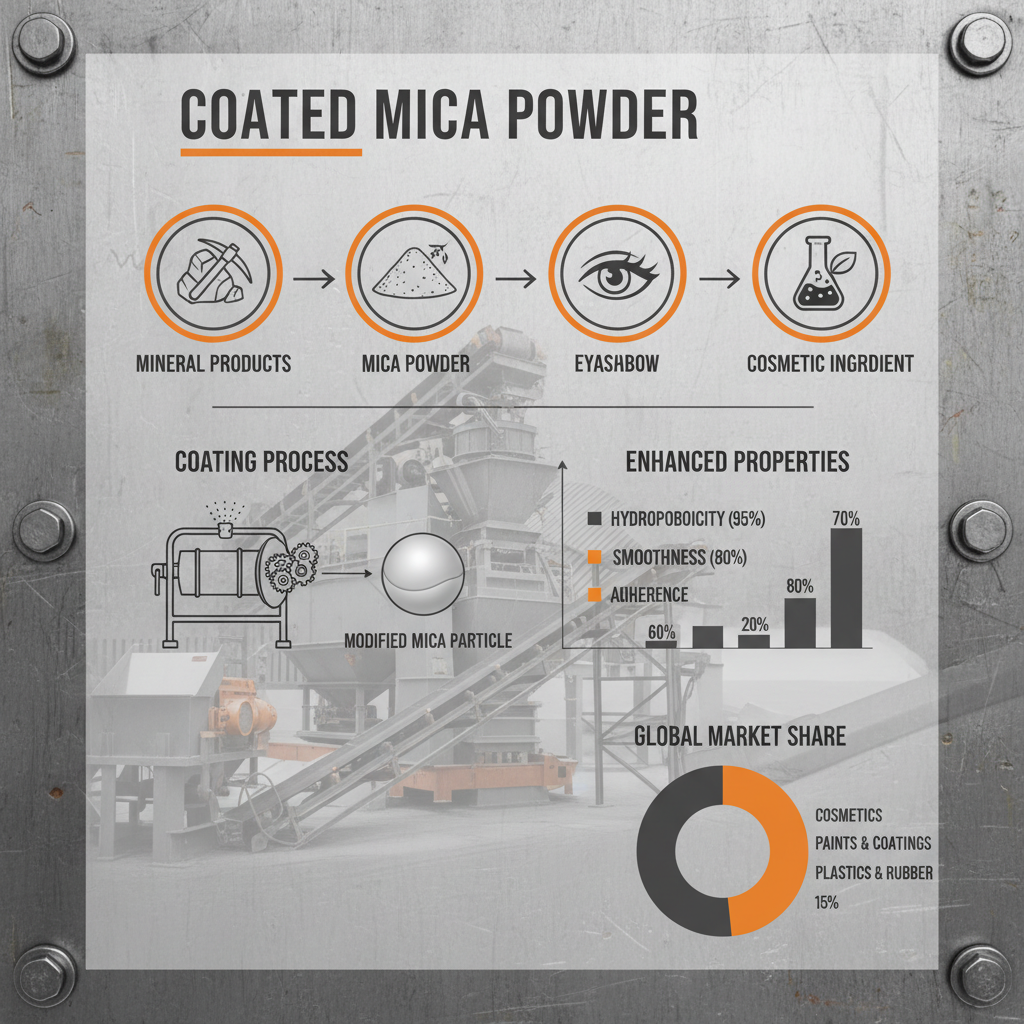
The versatility of mica leads to its widespread adoption across numerous sectors. In the cosmetics industry, finely ground mica imparts a shimmering effect in products like eyeshadow, blush, and foundation. Its inertness ensures it’s safe for skin contact. In the paint industry, mica adds durability, weather resistance, and a pearlescent finish.
The electronics industry relies heavily on mica for its insulating properties in capacitors, high-frequency circuits, and microwave devices. Its ability to withstand high temperatures makes it ideal for use in power electronics. The automotive industry utilizes mica in coatings and paints to enhance durability and aesthetics.
Furthermore, mica finds application in construction as a filler in cement and asphalt, improving their workability and resistance to cracking. In the oil and gas industry, mica is used as a drilling fluid additive to prevent fluid loss and stabilize wellbores.
Mica Application Breakdown by Industry
Global Mica Production and Trade
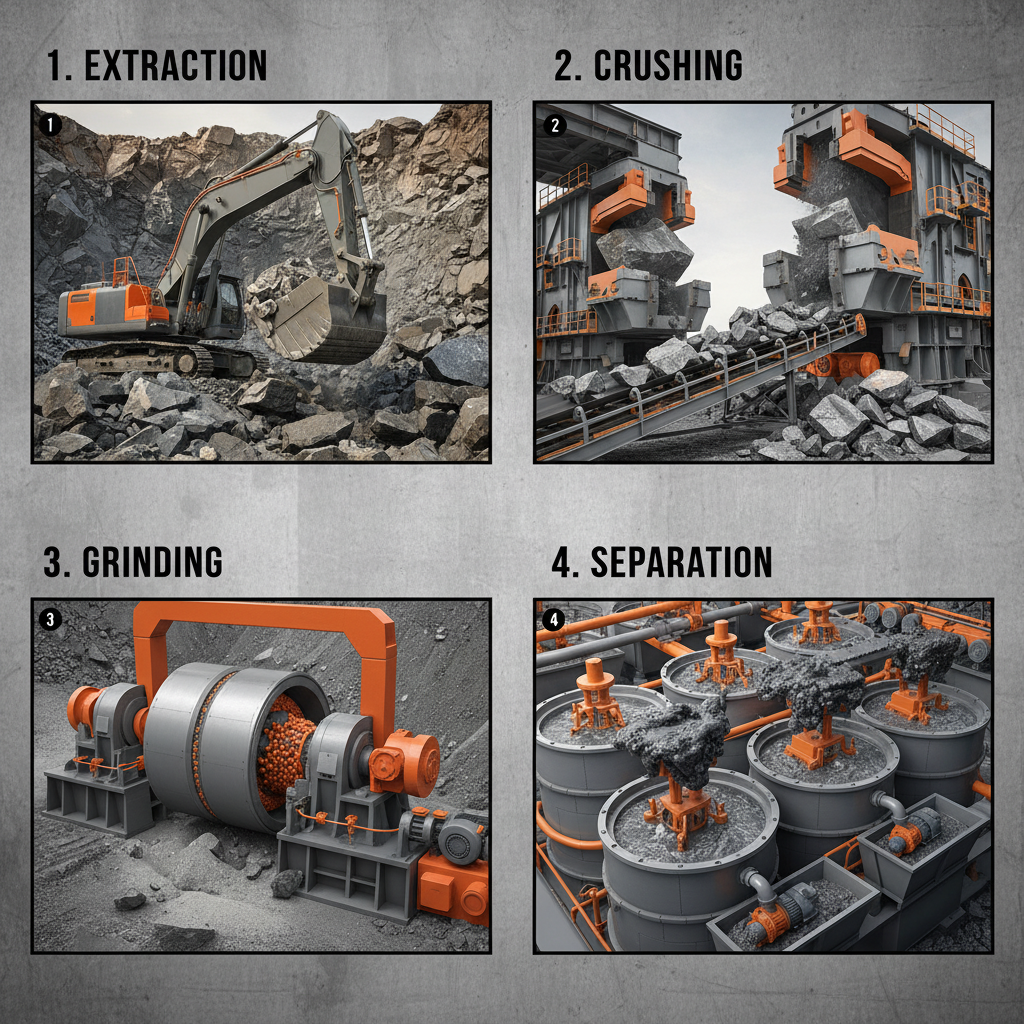
India dominates global mica production, accounting for a significant portion of the world’s supply. China is also a major producer, followed by Russia, the United States, and Brazil. The majority of mica is mined from open-pit mines, although some underground mining also occurs.
The primary export destinations for mica include the United States, Japan, Germany, and the United Kingdom. Demand is particularly strong in these regions due to their advanced manufacturing industries. The trade of mica is subject to international regulations and quality standards to ensure consistency and reliability.
Fluctuations in global economic conditions and geopolitical factors can influence mica prices and trade flows. Increased focus on sustainable sourcing and ethical mining practices is also driving changes in the supply chain.
Advantages and Considerations of Using Mica
The advantages of utilizing mica are numerous. Its exceptional electrical and thermal properties enhance product performance, while its chemical inertness ensures long-term durability. Moreover, mica is a naturally occurring mineral, making it a relatively sustainable material choice.
However, ethical sourcing is a crucial consideration. Concerns regarding child labor and unsafe working conditions in some mica mining regions necessitate careful due diligence and responsible procurement practices. Selecting suppliers committed to ethical and sustainable mining is paramount.
Future Trends in Mica Technology
Research and development efforts are focused on enhancing mica’s properties and expanding its applications. Nanomica, for example, is being explored for use in advanced composites and electronic devices, offering improved performance characteristics. Mica-based supercapacitors are also showing promise as energy storage solutions.
The demand for eco-friendly materials is driving innovation in mica processing and recycling technologies. Developing methods to recover and reuse mica from waste streams can reduce environmental impact and promote a circular economy. Furthermore, the integration of mica with other materials, such as polymers and ceramics, is creating new opportunities for advanced materials development.
Increasing automation in mica mining and processing can improve efficiency and safety. The use of data analytics and machine learning can optimize mining operations and enhance quality control.
FAQS
Muscovite mica is generally colorless or silvery-white and is known for its excellent electrical insulation properties. Biotite mica, on the other hand, is dark-colored, typically black or brown, due to its iron content. Biotite is less commonly used in electrical applications but finds use in paints and as a filler material. Their chemical compositions and resulting properties dictate their diverse applications.
While mica is a naturally occurring mineral, its sustainability depends on responsible mining practices. Historically, there have been concerns about unethical mining practices in some regions. Choosing suppliers committed to fair labor standards, environmental protection, and safe working conditions is crucial for ensuring the sustainability of mica sourcing.
Mica’s exceptional dielectric strength and thermal stability make it vital in electronics. It’s used as an insulator in capacitors, as a base material for high-frequency circuits, and in microwave devices. Its ability to withstand high voltages and temperatures without degradation makes it an indispensable component in numerous electronic applications.
Challenges in mica mining include ensuring ethical sourcing, minimizing environmental impact, and maintaining worker safety. Historically, some mica mines have faced accusations of child labor and unsafe working conditions. Sustainable mining practices, including responsible waste management and rehabilitation of mining sites, are essential to address these challenges.
While mica recycling isn’t widespread, research is ongoing to develop effective methods for recovering and reusing mica from waste streams. This includes exploring techniques to separate mica from other materials and repurpose it in new applications. Recycling mica can reduce environmental impact and promote a circular economy.
Nanomica refers to mica particles reduced to the nanoscale. This form of mica exhibits enhanced properties, such as increased surface area and improved dispersion. Potential applications include advanced composites, high-performance coatings, and novel electronic devices. Ongoing research is exploring the full potential of nanomica in various industries.
Conclusion
In conclusion, mica stands as a versatile and indispensable material, playing a critical role across a diverse range of industries. Its unique combination of properties – electrical insulation, thermal stability, chemical inertness, and flexibility – makes it invaluable in applications ranging from cosmetics to electronics. However, the future of mica hinges on addressing ethical sourcing concerns and embracing sustainable mining practices.
As technology continues to advance, innovation in mica processing and applications will further unlock its potential. Nanomica and improved recycling technologies offer promising avenues for enhancing performance and minimizing environmental impact. By prioritizing responsible sourcing and embracing innovation, we can ensure that mica remains a valuable resource for generations to come.








.png "About")