The global industrial landscape relies heavily on high-performance insulating and thermal materials, where mica china has emerged as a pivotal supplier of high-purity mineral solutions. From the intricate circuitry of aerospace components to the heavy-duty insulation of power plants, the unique dielectric properties of Chinese mica ensure stability and safety under extreme conditions.
Understanding the nuances of mica china involves more than just looking at raw mineral exports; it is about the sophisticated processing of Muscovite, Phlogopite, and synthetic variants that meet ISO international standards. As industries shift toward green energy and electric vehicles, the demand for high-grade mica for battery insulation and heat shields has surged, placing Chinese manufacturing at the center of the supply chain.
By integrating advanced refining techniques with vast natural reserves, mica china provides a balance of cost-efficiency and technical reliability. This guide explores the comprehensive utility, technical specifications, and future trajectories of mica products, offering professional insights for procurement managers and engineers worldwide.
Global Relevance of Mica China in Modern Industry
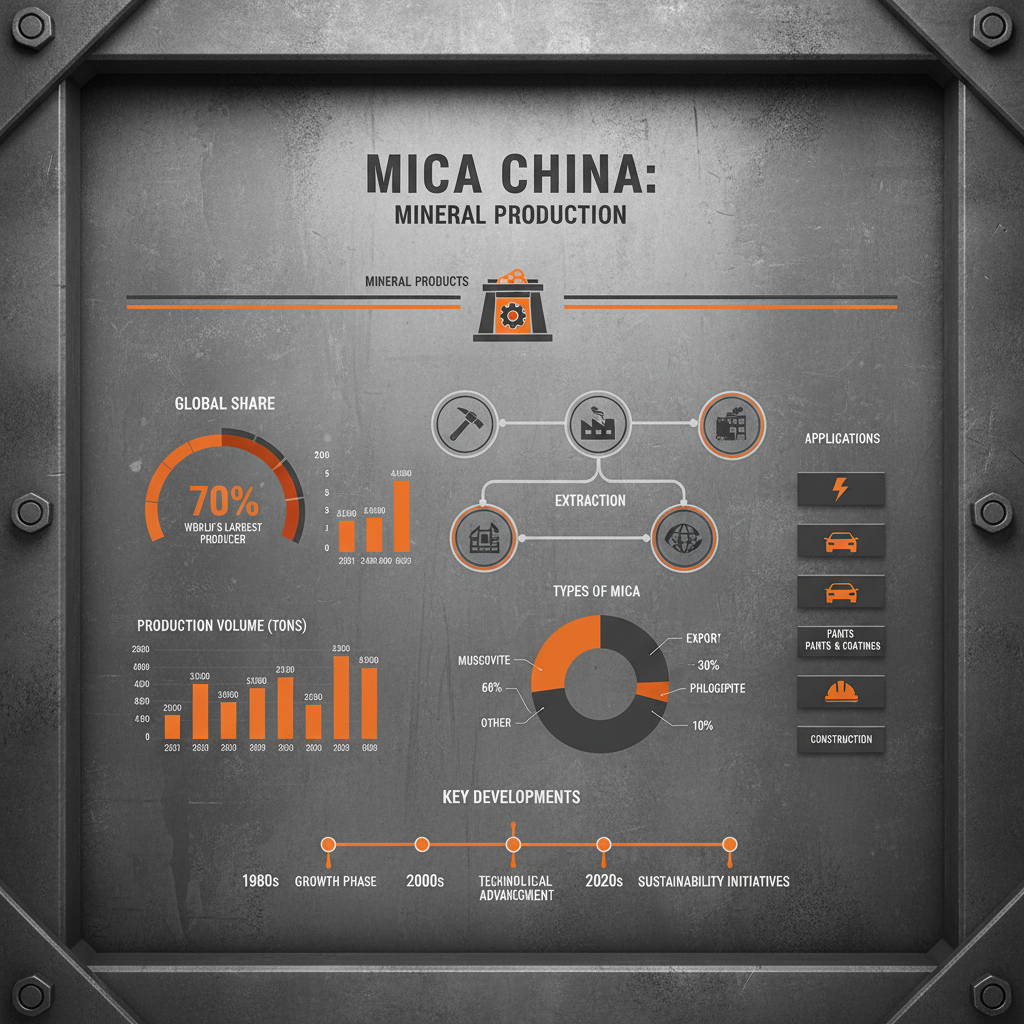
The strategic importance of mica china is rooted in its ability to provide high-volume, high-purity minerals that serve as the backbone for the global electrical industry. With the worldwide push toward electrification, the demand for materials that can withstand extreme thermal stress without conducting electricity has made Chinese mica exports indispensable for the production of capacitors, heaters, and high-voltage equipment.
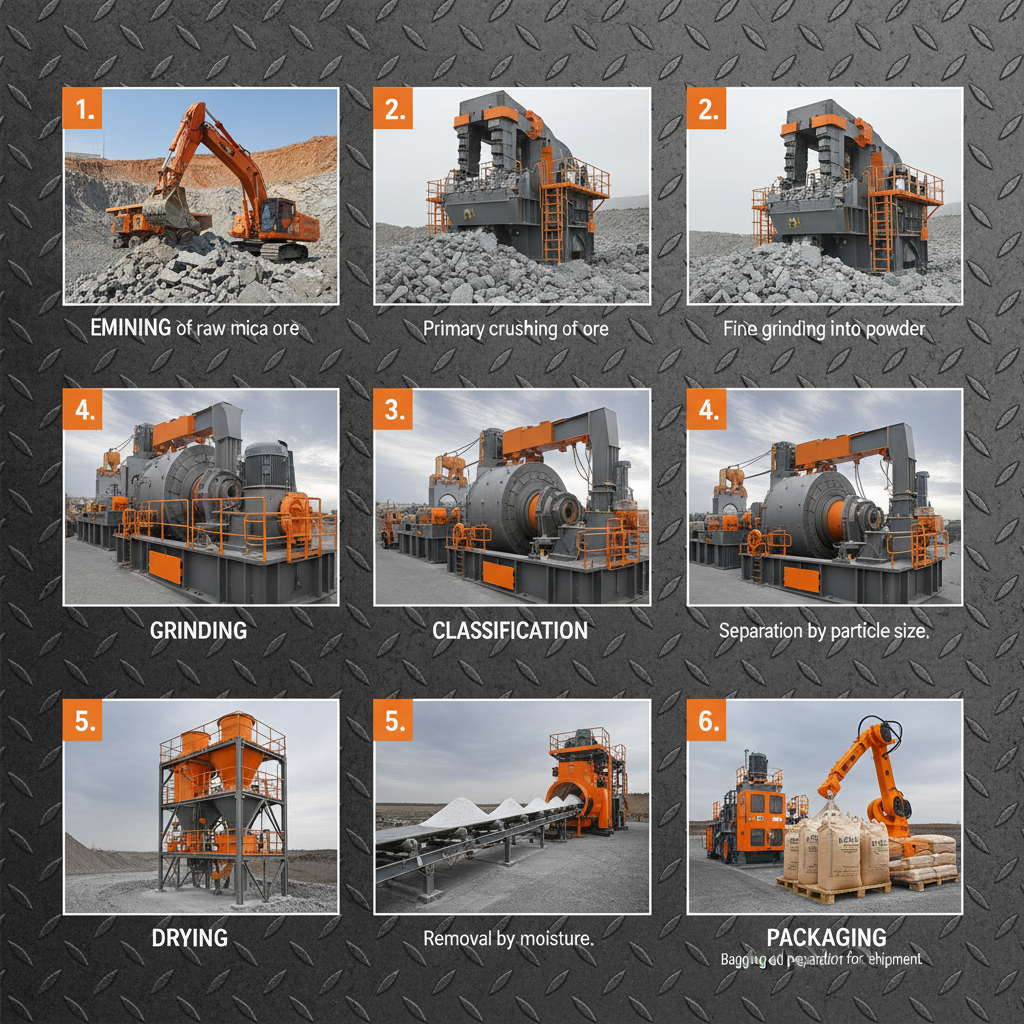
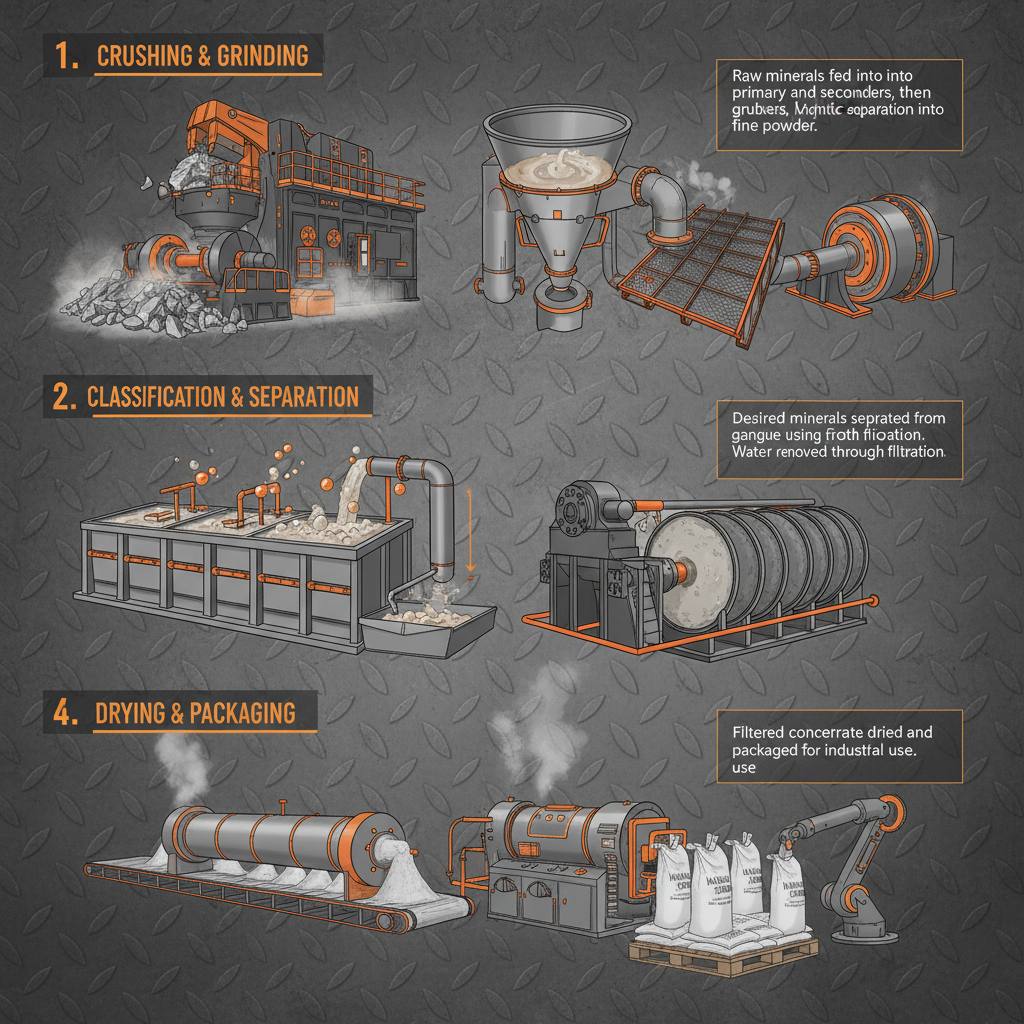
Beyond simple raw material supply, the sector has evolved into a high-tech processing hub. By utilizing state-of-the-art grinding and separation technologies, providers of mica china ensure that the resulting flakes, powders, and sheets meet the rigorous requirements of the aerospace and automotive sectors, where a single impurity could lead to catastrophic system failure.
Technical Definitions and Mineral Classifications
In technical terms, mica china refers to a group of phyllosilicate minerals known for their perfect basal cleavage, allowing them to be split into extremely thin, flexible sheets. These sheets possess exceptional dielectric strength and thermal stability, making them the gold standard for electrical insulation in environments where traditional plastics would melt or degrade.
The product range typically spans several categories, including Muscovite (potassium aluminum silicate), which is prized for its transparency and high insulation, and Phlogopite (potassium magnesium iron silicate), which is preferred for higher temperature applications due to its superior thermal resistance. Synthetic mica has also become a cornerstone of mica china, offering unmatched purity and consistency for high-end electronics.
Connecting these mineral properties to modern industry requires an understanding of the "platelet" structure. This unique geometry allows mica to be used not only as an insulator but also as a reinforcing filler in polymers and coatings, enhancing the mechanical strength and moisture resistance of the final product—a critical need in the construction and automotive paint industries.
Core Components of High-Quality Mica Production
The superior quality of mica china is determined by several critical factors, foremost being the purity of the raw ore. The removal of iron and other conductive contaminants is essential to maintain the material's dielectric properties, ensuring that it does not leak current in high-voltage environments.
Another key factor is the precision of the particle size distribution. Whether it is mica powder for cosmetics or mica flakes for industrial coatings, mica china manufacturers employ advanced micronization techniques to ensure uniformity, which directly affects the opacity, shimmer, and structural integrity of the end-use application.
Finally, the scalability of production and cost-efficiency cannot be overlooked. By optimizing the supply chain from the mine to the processing plant, mica china provides a sustainable economic model that allows global manufacturers to scale their production without compromising on the quality of their thermal insulation components.
Comparative Performance of Mica China Variants
Different industrial needs require different specifications of mica. While Muscovite offers the best electrical insulation for low-to-medium temperatures, Phlogopite is the go-to choice for extreme heat. This differentiation allows engineers to select the specific mica china variant that optimizes both safety and performance.
When comparing synthetic mica to natural variants, the former offers a level of purity that eliminates the risk of mineral contamination, although it comes at a higher price point. The following data represents the relative performance ratings of various mica china processing methods across key industrial metrics.
Performance Analysis of Mica China Material Variants
Global Applications and Industrial Use Cases
The versatility of mica china is evident in its wide array of applications. In the energy sector, it is used to manufacture high-voltage insulators and mica-glass tapes that protect generators from electrical arcing. In the automotive industry, specifically for Electric Vehicles (EVs), mica is used as a thermal barrier between battery cells to prevent thermal runaway, showcasing its critical role in modern safety.
Beyond heavy industry, mica china finds extensive use in the cosmetics and paint industries. Dyed mica flakes and high-purity powders provide the pearlescent effect in premium automotive paints and luxury makeup, combining aesthetic brilliance with chemical stability. In remote industrial zones, where equipment is exposed to harsh environmental elements, mica-based coatings provide essential corrosion resistance.
Long-term Value and Sustainability Benefits
Investing in high-quality mica china offers significant long-term value by reducing equipment failure rates. The exceptional reliability of mica-based insulation leads to longer maintenance cycles for industrial machinery, which translates into lower operational costs and reduced downtime for power plants and manufacturing facilities.
From a sustainability perspective, the industry is shifting toward more ethical and eco-friendly mining practices. Modern mica china production now emphasizes water recycling in the refining process and the reduction of dust emissions, aligning with global ESG (Environmental, Social, and Governance) standards to ensure that the mineral's benefits do not come at an environmental cost.
The logical appeal of using mica lies in its natural durability. Unlike synthetic polymers that may off-gas or degrade under UV exposure, mica remains stable for decades. This longevity provides a sense of security and trust for engineers designing infrastructure that must last for 30 to 50 years, ensuring that the safety of the end-user is never compromised.
Future Trends and Technological Innovations
The future of mica china is being shaped by the digital transformation of the mining sector. The implementation of AI-driven mineral sorting and automated grading ensures that the purity of the mica is consistent across every batch, removing the variability often associated with natural deposits and allowing for tighter tolerances in electronic component manufacturing.
Moreover, the integration of mica into nanotechnology is opening new doors. Researchers are exploring the use of exfoliated mica nanosheets to create ultra-thin, transparent conductive films and advanced membranes for water purification. These innovations position mica china not just as a raw material supplier, but as a contributor to the next generation of material science.
As the world moves toward a circular economy, the development of recyclable mica-composite materials is becoming a priority. By combining mica with biodegradable resins, the industry aims to create high-performance insulators that can be reclaimed at the end of their lifecycle, further enhancing the sustainability profile of mica china.
Analysis of Mica China Product Specifications and Performance
|
Product Variant
|
Thermal Resistance
|
Dielectric Strength
|
Primary Use Case
|
| Muscovite Mica |
Up to 600°C |
Excellent |
Electronics / Capacitors |
| Phlogopite Mica |
Up to 900°C |
Very Good |
Industrial Furnaces |
| Synthetic Mica |
High Stability |
Superior |
High-End Semi-conductors |
| Dyed Mica Flakes |
Moderate |
Moderate |
Automotive Coatings |
| Mica Powder |
Moderate |
Good |
Cosmetics / Fillers |
| Dehydrated Mica |
Very High |
High |
High-Voltage Insulation |
FAQS
Mica from China is preferred due to the unique combination of vast high-grade deposits and advanced processing infrastructure. This allows for the production of Muscovite and Phlogopite with extremely high purity and consistent particle sizes, ensuring that electrical components have a low failure rate and high thermal resistance, all while remaining cost-competitive on a global scale.
Muscovite is typically colorless or light-colored and offers the best electrical insulation for general electronics. Phlogopite is usually darker (brownish) and can withstand significantly higher temperatures, making it the ideal choice for heavy-duty industrial heaters or furnace linings where Muscovite would degrade.
Synthetic mica is often superior for high-precision electronics because it eliminates natural impurities that can cause electrical leakage. It offers total uniformity in thickness and composition, which is critical for semiconductor manufacturing, although natural mica remains more cost-effective for general-purpose industrial insulation.
Yes, leading exporters of mica china strictly adhere to ISO certifications and ESG guidelines. There is a strong move toward "green mining" and closed-loop water systems during the refining process to ensure that the production of mica flakes and powders meets global sustainability and ethical labor requirements.
Absolutely. Mica powder and flakes are frequently used as reinforcing fillers. Due to their plate-like structure, they create a "barrier effect" in polymers, which significantly improves moisture resistance, reduces permeability, and adds mechanical strength and a shimmering aesthetic to the final product.
To ensure purity, it is essential to request a detailed Certificate of Analysis (CoA) that specifies the chemical composition and the level of iron impurities. Working with established suppliers of mica china who provide third-party laboratory testing ensures that the material meets the specific dielectric requirements of your project.
Conclusion
In summary, mica china serves as an essential pillar for global industrial progress, providing the critical thermal and electrical insulation needed for everything from basic household appliances to cutting-edge aerospace technology. By leveraging a diverse range of mineral variants—including Muscovite, Phlogopite, and synthetic mica—and employing advanced processing techniques, Chinese manufacturers ensure that the world has access to reliable, high-purity materials that enhance safety and efficiency.
Looking ahead, the evolution of the mica industry will likely be defined by the integration of nanotechnology and a steadfast commitment to sustainable mining. As the transition to green energy accelerates, the role of mica in battery safety and renewable energy infrastructure will only grow in significance. We encourage procurement specialists and engineers to partner with transparent, quality-driven suppliers to secure the long-term reliability of their technical systems. Visit our website: www.glorystarexport.com






.png "About")