

Understanding Green Kaolin Clay: A Versatile Mineral for Modern Industry
If you’ve ever stumbled upon the term green kaolin clay and wondered why it’s suddenly gaining traction, you’re not alone. This naturally occurring mineral isn’t just another earth material; it’s carving out significant practical roles worldwide, spanning from cosmetics to environmental uses. The reason it matters on a global scale is partly due to sustainable production trends and the growing demand for eco-friendly, multi-functional materials. In short, green kaolin clay is quietly helping industries innovate, reduce waste, and even aid humanitarian efforts.
Introduction: Why Green Kaolin Clay Is a Global Asset
Industries around the world are tripping over supply chains, cost volatility, and environmental regulations these days. The United Nations Environment Programme (UNEP) notes an increasing emphasis on green mining and natural material sourcing to reduce ecological footprints. Green kaolin clay sits right in the middle of this shift. Rich in minerals and mild in chemical activity, it serves as a base ingredient for many processes — from ceramics manufacturing in East Asia to filtering and absorbent uses in Europe and North America.
For example, global kaolin production surpassed 25 million tonnes in 2022, according to the US Geological Survey, with “green” varieties showing a promise of higher purity and fewer contaminating elements. Yet, the challenge remains: How to utilize this resource efficiently without exhausting mining reserves or causing environmental damage? This is where green kaolin clay’s natural properties really come into play.
What is Green Kaolin Clay?
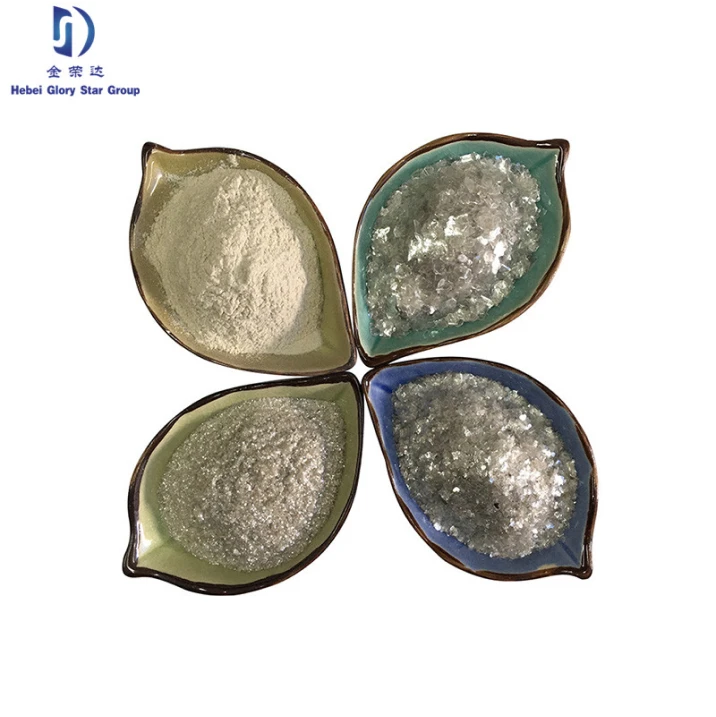
At its core, green kaolin clay is a type of kaolinite mineral that exhibits a distinct pale green hue due to the presence of trace minerals like chlorite and iron hydroxides. Unlike the more common white or pink kaolin clays, the green variety often carries slight impurities that lend it unique absorption and filtering traits.
Practically speaking, it’s a soft, fine-grained material used extensively in industries requiring natural binders, fillers, or absorbents. Because it’s eco-friendly and versatile, manufacturers favor green kaolin clay for producing everything from cosmetics and paints to industrial lubricants and paper coatings.
Core Components and Key Factors of Green Kaolin Clay
- Purity & Composition: The green tint stems from chlorite and other minerals, which subtly change its behavior compared to white kaolin.
- Absorption Capacity: It excels at absorbing oils and moisture, making it ideal in environmental cleanup and cosmetic applications.
- Particle Size and Texture: Fine powders mix easily into formulations, providing smooth texture and excellent binding.
- Chemical Stability: Resistant to degradation, which enhances durability in coatings and ceramics products.
- Cost-Efficiency: Since it can replace synthetic materials in many formulas, it’s often a budget-friendly additive.
Each of these components directly influences how green kaolin clay is selected for particular tasks. For instance, an industrial filter manufacturer might prioritize absorption and particle size, while a skincare brand zeroes in on purity and chemical stability.
Mini takeaway: Understanding the mineral makeup and behavior helps industries exploit green kaolin clay’s natural advantages, marrying ecology with economy.
Global Applications & Real-World Use Cases
Where don’t you find green kaolin clay these days? That might be an easier question. Here’s a quick yet practical list of applications emerging around the globe:
- Cosmetics & Personal Care: Asia-Pacific dominates this use with green kaolin clay as a gentle, natural absorbent in facial masks and soaps.
- Ceramics & Pottery: European and North American artisans utilize it to achieve specific textures and coloration effects.
- Environmental Remediation: In places like Canada and Scandinavia, it aids in oil spill cleanups due to its absorbent qualities.
- Paper & Paint Industries: Used as fillers and pigments enhancing brightness and durability in manufacturing plants worldwide.
- Construction: Some emerging markets explore its use in eco-friendly bricks and coatings to stabilize structures naturally.
To highlight a humanitarian angle: in post-disaster relief, materials incorporating green kaolin clay have been tested for water filtration and moisture control — crucial in areas where clean water access is limited.
Mini takeaway: The broad-ranging usage spells out the mineral’s adaptability and cement its position in innovative and sustainable practices.
Advantages and Long-Term Value of Green Kaolin Clay
When we talk benefits, they quite literally stack up. First, it’s a readily available natural resource, less processed than many synthetics, lowering carbon emissions during production. That’s an environmental win we can’t ignore. This clay is also versatile, reducing the need for multiple raw materials and simplifying supply chains.
On a social level, industries adopting green kaolin clay often report improved trust with eco-conscious customers — a nice bonus if you’re selling to today’s savvy market. Plus, due to its mild chemical nature, it’s hypoallergenic and safe for sensitive applications like skin treatments.
Lastly, the cost aspect: while quality varies, the ability to source it locally in many regions reduces transportation costs, making it an economically viable choice without sacrificing performance.
Product Specifications
| Specification | Typical Value | Unit |
|---|---|---|
| Kaolinite Content | 70-85% | |
| Chlorite Content | 5-15% | |
| Color | Greenish Pale | |
| Moisture Content | 3-5% | % |
| pH Value | 6.5 - 7.5 |
Vendor Comparison: Leading Suppliers of Green Kaolin Clay
| Vendor | Purity (%) | Global Reach | Price Range | Certifications |
|---|---|---|---|---|
| GloryStar Export | 80-85% | Global (Asia, Europe, Americas) | $$ | ISO 9001, REACH |
| GreenEarth Minerals | 75-80% | Europe & Asia | $$$ | ISO 14001 |
| EarthCura Supplies | 70-78% | Primarily North America | $ | SGS Certified |
Future Trends & Innovations Involving Green Kaolin Clay
Looking ahead, green kaolin clay will likely ride alongside the global green energy push and advances in digital manufacturing. Oddly enough, it’s appearing in experimental nanotechnology and bio-engineering fields, where its natural compounds help create more sustainable packaging and bio-composites. Some startups aim to automate purification processes, boosting purity without increasing environmental impact.
Additionally, as regulations tighten, you can expect more certifications advocating traceability and emissions transparency for green kaolin sources. All this gives industries more confidence — and frankly, a compelling reason to switch their supply chains over.
Challenges & Possible Solutions
Despite the benefits, there are hurdles. Variability in mineral content can affect performance consistency — a headache for manufacturers seeking uniformity. Transportation logistics sometimes offset cost benefits, especially if deposits are distant from application hubs.
Experts suggest investing in localized processing plants and adopting real-time quality control tech to mitigate these issues, alongside fostering partnerships like those at green kaolin clay suppliers to ensure steady supply and transparency.
FAQ: Frequently Asked Questions About Green Kaolin Clay
- What makes green kaolin clay preferable over white kaolin in cosmetics?
- The green clay’s unique mineral composition provides better oil absorption and a gentle exfoliating effect, making it ideal for skincare products aimed at oily or sensitive skin. It’s also valued for its natural tint, which some brands prefer for visual appeal.
- How long can products containing green kaolin clay last without degradation?
- Green kaolin clay is chemically stable and resists breakdown over years if stored properly, especially in dry conditions. Finished products usually have shelf lives of 2–5 years depending on formulation.
- Is sourcing green kaolin clay environmentally sustainable?
- While mining any mineral has impacts, responsible suppliers maintain sustainable extraction practices, reforestation, and land reclamation efforts — with certifications such as ISO 14001 reinforcing these standards.
- Can NGOs import green kaolin clay for humanitarian projects?
- Yes, many vendors, including green kaolin clay exporters, facilitate international shipments with compliance for use in relief operations, especially for water filtration and habitat materials.
Conclusion: Why Green Kaolin Clay is Here to Stay
In wrapping up, green kaolin clay offers a unique intersection of natural purity, functionality, and sustainability — a trifecta that industries and humanitarian efforts increasingly value. Its versatility addresses real-world challenges, from environmentally safer product formulations to cost-efficient manufacturing and disaster relief innovations.
Frankly, staying ahead means embracing such materials that marry traditional earth resources with modern technology and eco-consciousness. Curious to see how it could work for your industry or project? Don’t hesitate to visit our website and explore detailed offerings.
Mini takeaway: Green kaolin clay isn’t just dirt; it’s an evolving resource pivotal for future-forward sustainable innovation.
References
Post time: Dec-02-2025



.png "About")