

Natural Flake Graphite Powder: Pricing, Specs, and Real-World Use
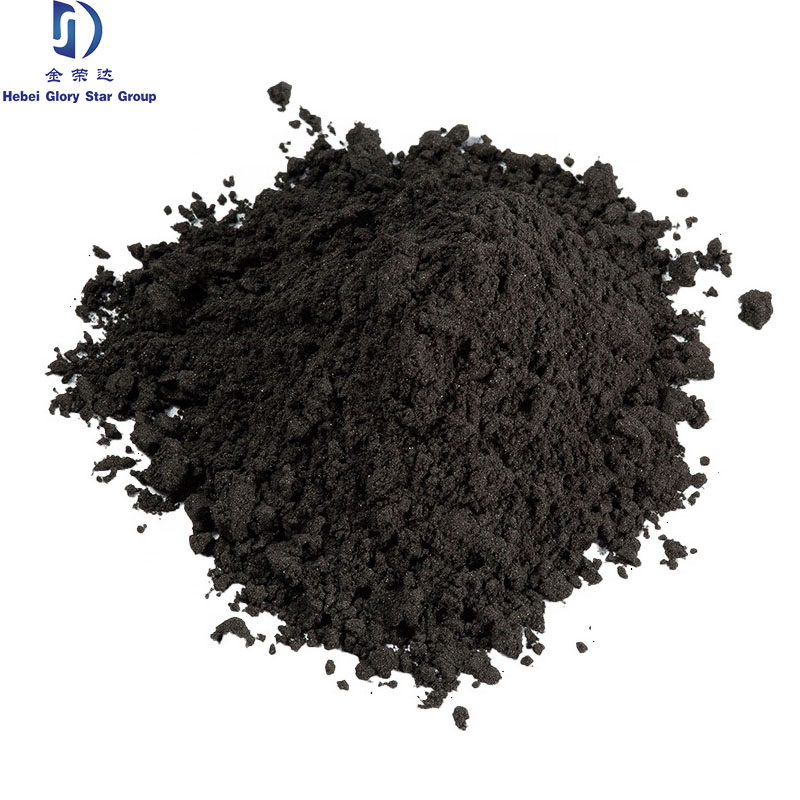
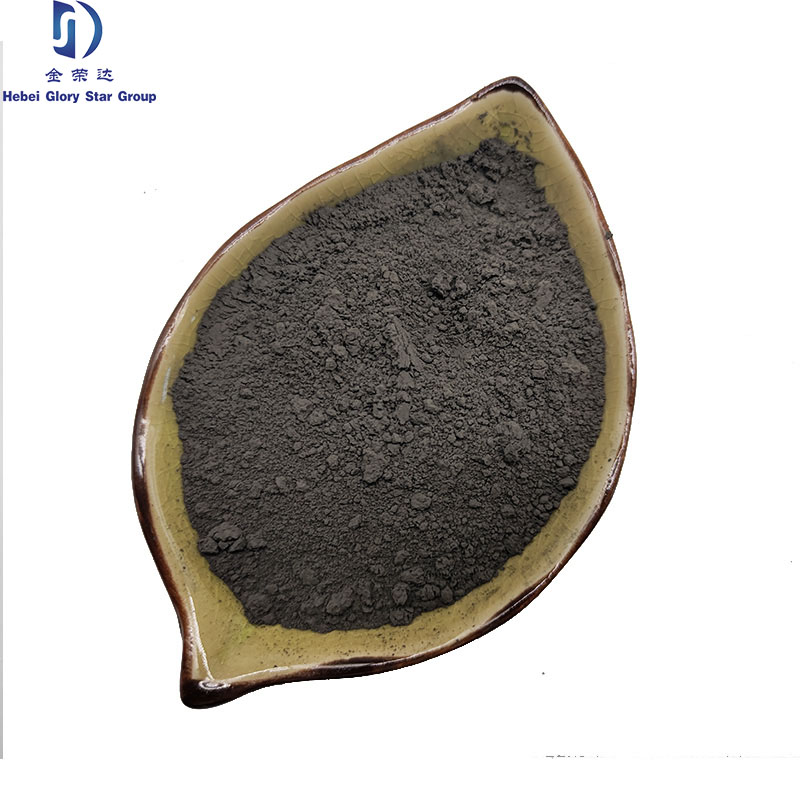
If you’re scouting graphite powder for sale right now, you’ve probably noticed two things: demand is spiking (batteries, EVs, foundries), and spec sheets don’t always tell the full story. I’ve toured mills from Shijiazhuang to Busan; consistency beats flashy numbers every time. Below is what buyers actually ask me on the phone—plus test data that tends to survive the procurement gauntlet.
What’s trending (and why it matters)
Battery-grade anode demand remains the headline, but refractories and carburizers still take a big share—especially where steelmakers want lower nitrogen pickup and cleaner melts. Prices are bifurcating: commodity flakes vs. high-purity (99.5%+) purified grades. Also, tighter ESG audits are pushing buyers toward traceable sources with ISO and REACH paperwork. To be honest, that extra documentation can save weeks in automotive approval.
Core specifications (typical, real-world may vary)
| Parameter | Value (≈) |
|---|---|
| Product | Natural Flake Graphite Powder For Battery/Refactory/Electrode |
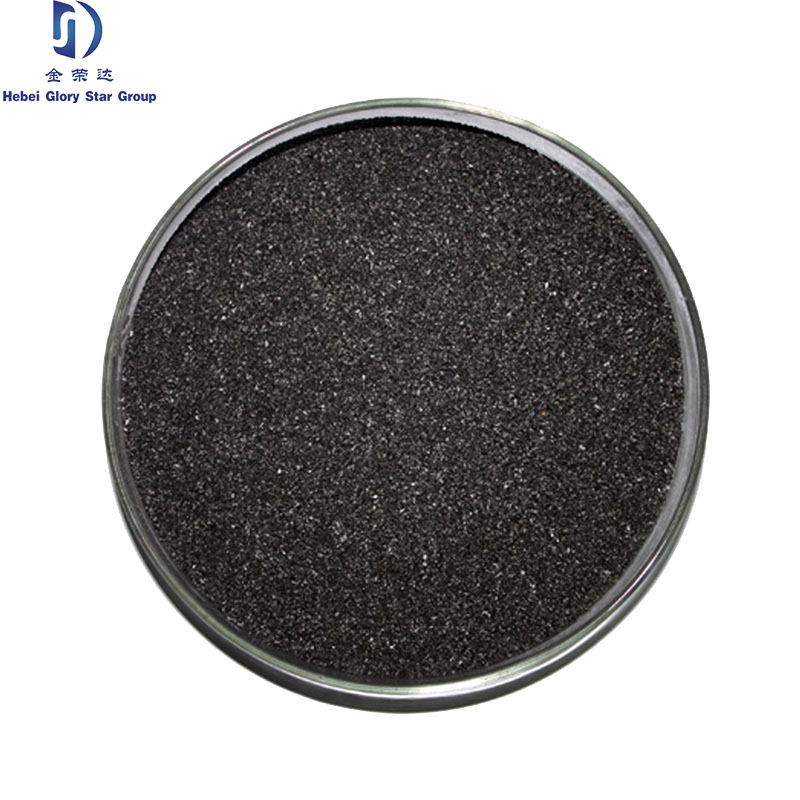
| Carbon (Fixed C) | 85–99.9% (custom purifications available) |
| Boiling point | ≈ 4250 ℃ |
| Apparent density | 1.6–2.2 g/cm³ |
| Particle sizes | -32 to -325 mesh; D50 ≈ 8–75 μm (ISO 13320) |
| Electrical resistivity | ≈ 8–16 μΩ·m (ASTM C611) |
| Thermal conductivity | ≈ 120–200 W/m·K (room temp) |
How it’s made (quick but critical)
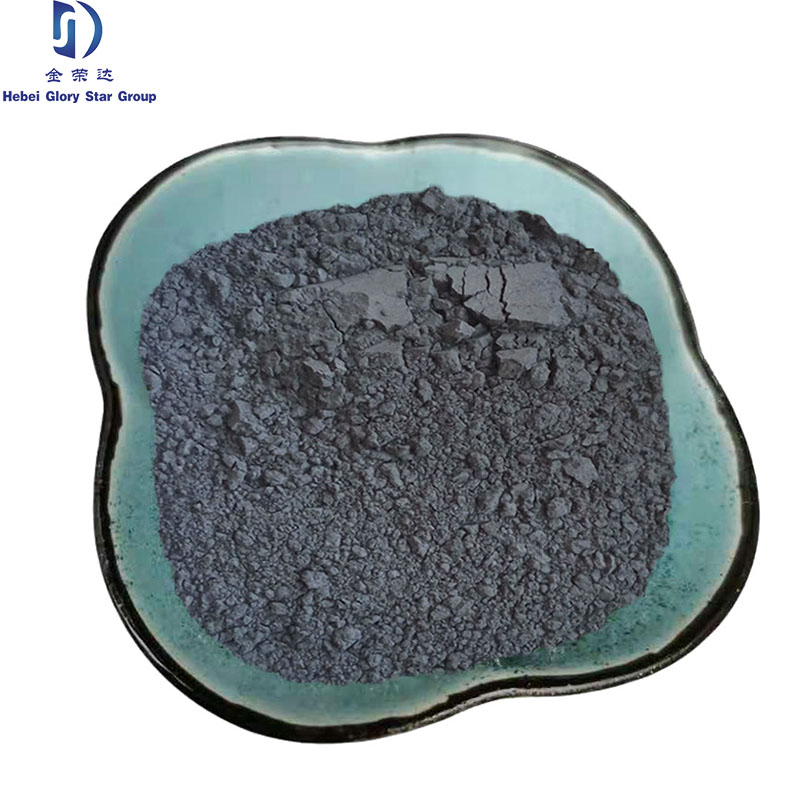
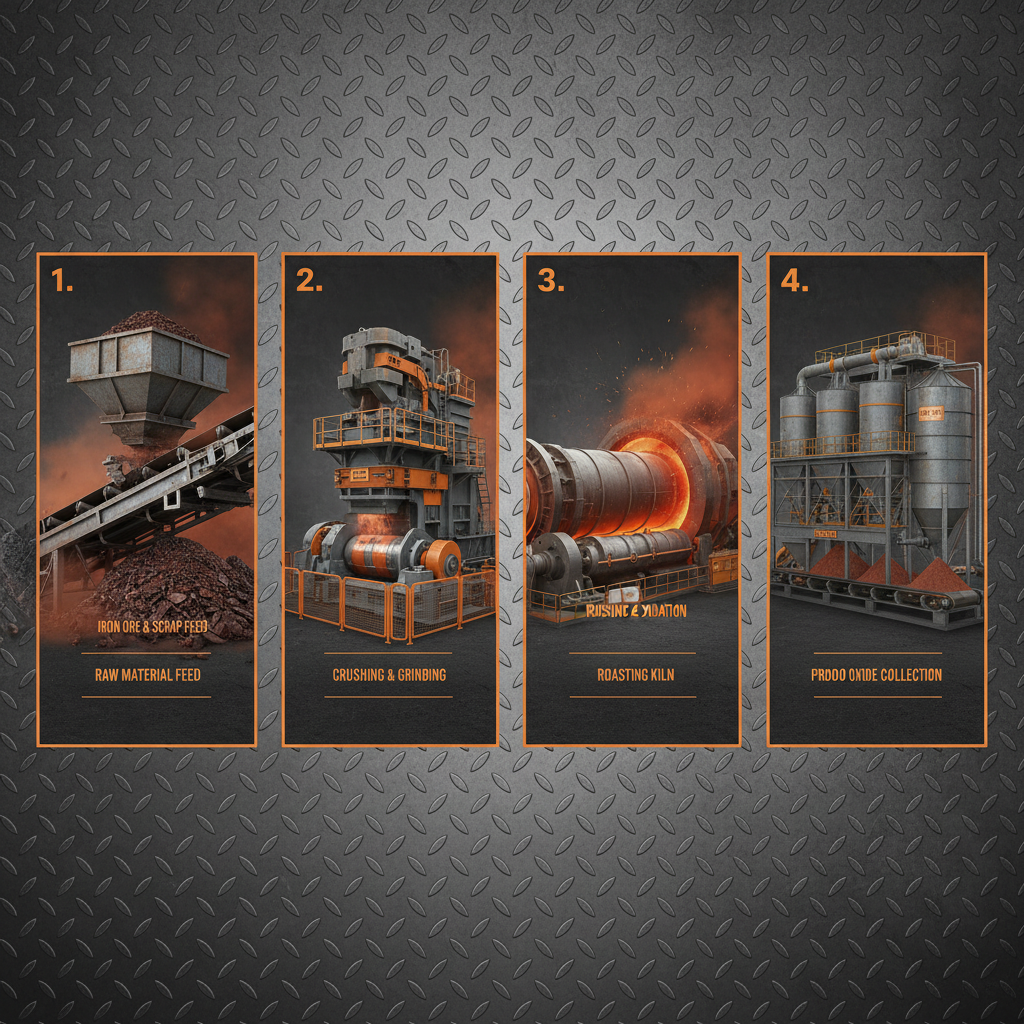
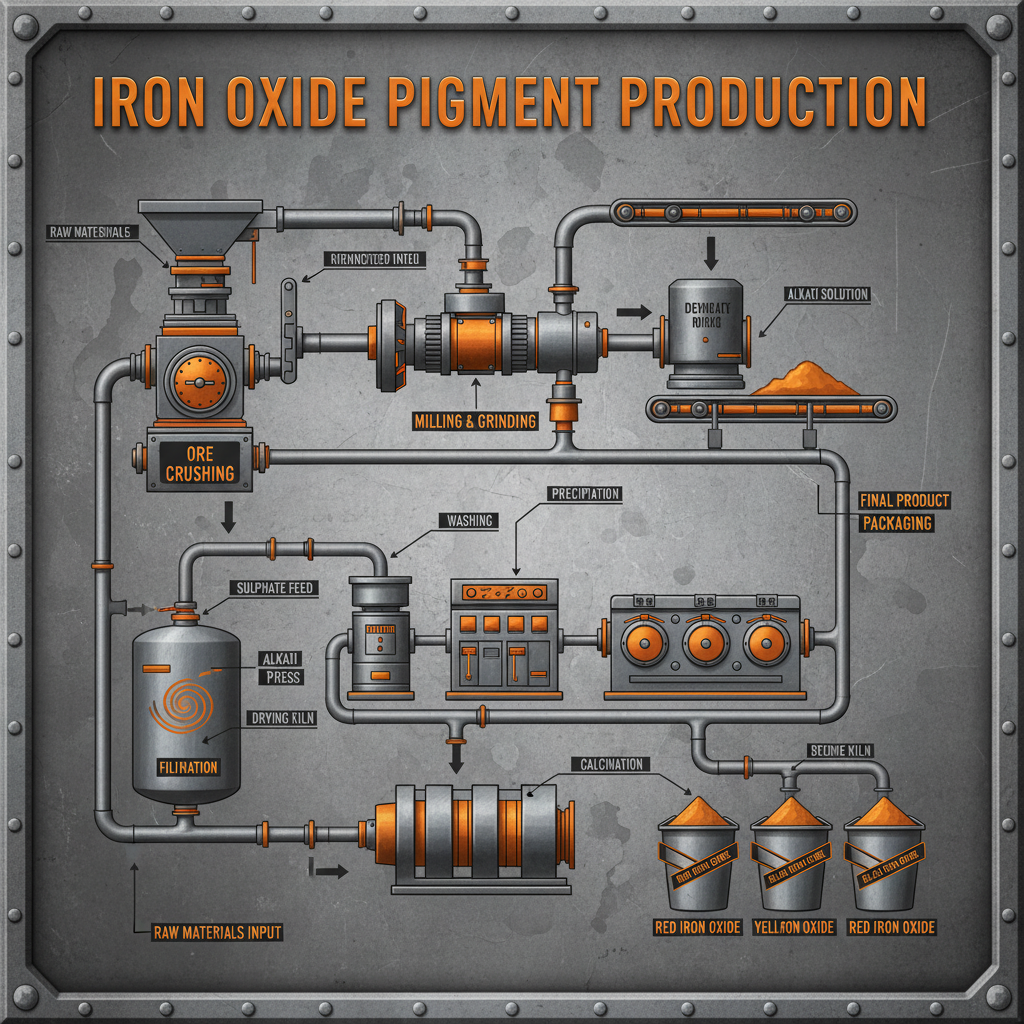
Materials: natural flake ore from vetted deposits. Methods: crushing → flotation → drying → milling/classification → optional chemical/thermal purification → sieving → packaging. Battery routes add spheroidization and surface treatment. QC gates include particle sizing (ISO 13320), loss on ignition, ash/impurities (ICP-OES), and resistivity (ASTM C611). Service life? In refractories and induction furnaces we see stable performance through multiple heat cycles; in anodes it’s about cycle retention—coatings and purity dominate that outcome.
Applications and results
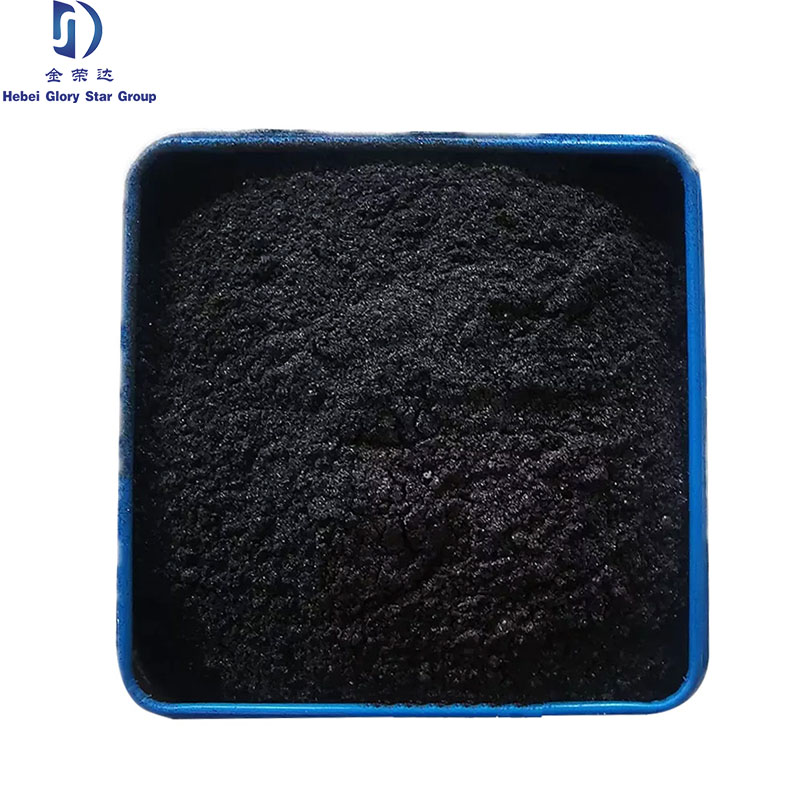
- Battery anodes: stable conductivity, low ash; customers say impedance spread tightens after spheroidization.
- Refractory bricks and ladles: high temperature resistance, thermal shock tolerance.
- Carburizer in foundries: fast dissolution, clean melt; several shops reported +0.15–0.25% C yield uplift.
- Conductive plastics, EMI shielding, lubricants, seals—especially where dry-film lubrication is a must.
Mini case 1: An EV cell pilot line swapped in higher-purity grade and noted ≈4–6% improvement in first-cycle efficiency (small sample, but repeatable). Mini case 2: A mid-size steel foundry cut nitrogen defects by shifting to low-ash flakes; returns improved within two pours. Not miraculous, just consistent.
Vendor comparison at a glance
| Vendor | Purity range | Customization | Certs | Lead time |
|---|---|---|---|---|
| Glory Star Export (Shijiazhuang) | 85–99.9% | Mesh/D50, purification, coating | ISO 9001, RoHS/REACH | ≈ 2–4 weeks |
| Generic Broker | 90–98% | Limited | Varies | 4–8 weeks |
| Recycled Aggregator | 85–95% | Basic sizing | Limited | 3–6 weeks |
Customization, testing, and paperwork
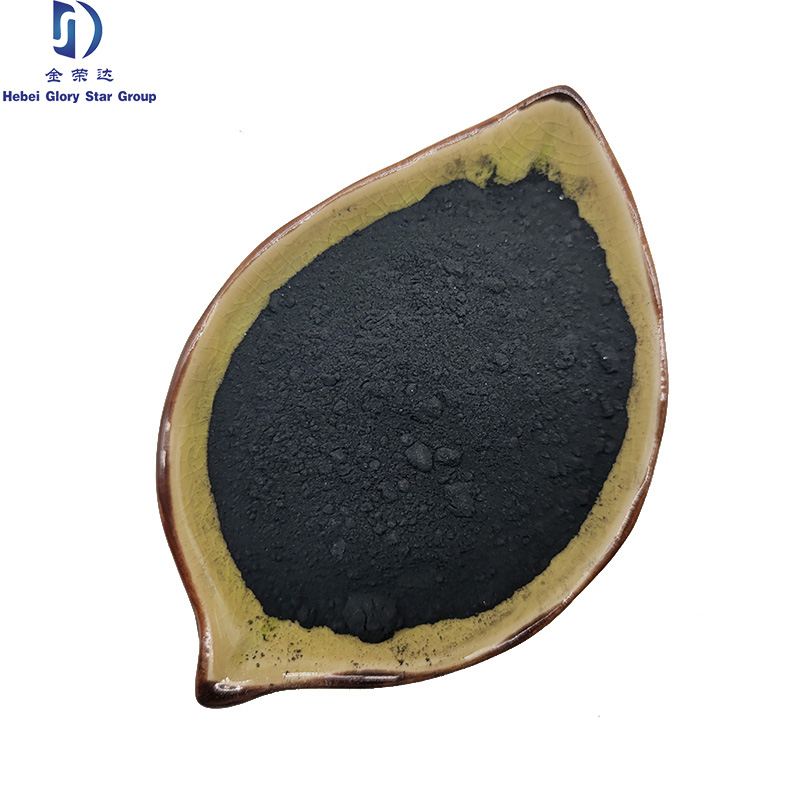
Custom cuts: -80, -100, -200, -325 mesh; D50 and kurtosis controlled for battery routes. Purification: chemical or thermal depending on spec and ESG profile. Testing: ISO 13320 (PSD), ASTM C611 (resistivity), GB/T 3518 (natural flake graphite), plus ICP for metallics. Certificates: ISO 9001, RoHS, REACH—ask for lot-level COA. Many customers say the COA traceability saved them during end-customer audits.
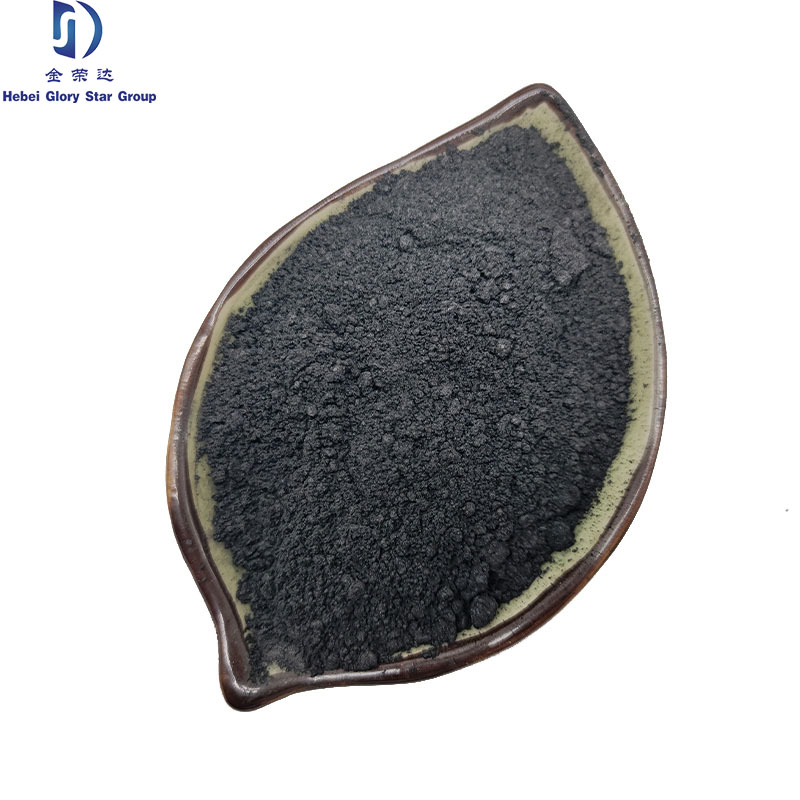
If you need graphite powder for sale with consistent conductivity and low ash, the plant at 368 Youyi North Street, Shijiazhuang, Hebei, China, ships globally. In fact, small trial lots are usually the smartest way to de-risk a switch.
Quick buying tips
- Match mesh/D50 to your process; don’t overpay for purity you won’t use.
- Ask for PSD curves, not just a number. Sphericity matters for anodes.
- Request resistivity and ash per lot; keep retained samples for audits.
Sources and standards:
- USGS Mineral Commodity Summaries: Graphite (2024). https://www.usgs.gov/
- ASTM C611 – Electrical Resistivity of Manufactured Carbon and Graphite Articles. https://www.astm.org/
- ISO 13320 – Particle size analysis—Laser diffraction methods. https://www.iso.org/
- GB/T 3518-2019 – Natural flake graphite. http://www.sac.gov.cn/
Post time: Oct-05-2025
.png "About")