

Why Granular Vermiculite Still Holds a Special Place in Industrial Applications
If you've spent any time skulking around factory floors or warehouse bulk storage, you’ve probably bumped into it — granular vermiculite. It’s one of those unassuming materials that quietly does a lot of heavy lifting (sometimes literally). Over the years, I’ve noticed that, despite a flood of synthetic alternatives, vermiculite remains a favorite for many engineers and plant managers. And that’s not just nostalgia talking.
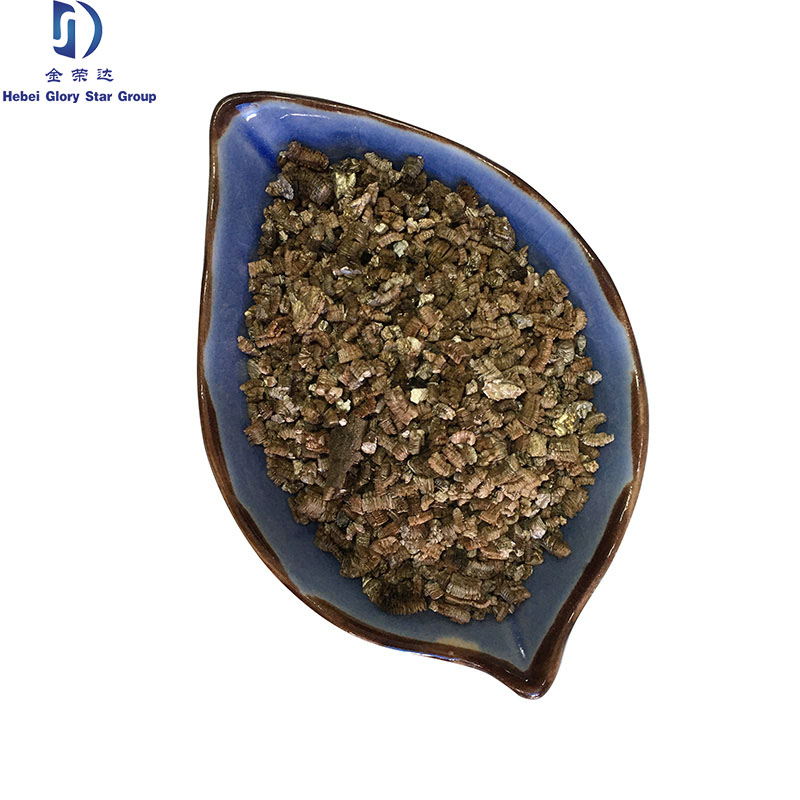
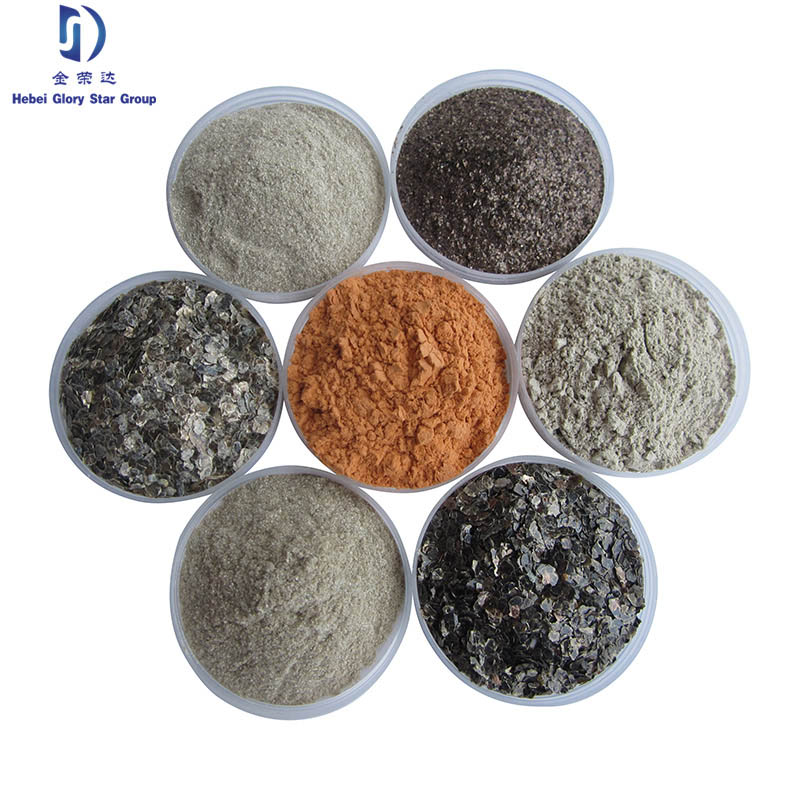
Vermiculite’s value is layered, much like its physical structure. When expanded through heating, its flaky seed-like particles transform into this spongy, lightweight mineral that’s easy on handling but tough when it comes to thermal resistance and chemical inertness.
Granular vermiculite is particularly popular because it can be customized in many forms and grades, lending itself well to customized solutions — from insulation in high-temperature furnaces to lightweight aggregate for horticulture or absorption media in cleanup jobs.
Typical Specifications You Need to Know
Sitting down with specs always feels like decoding a secret language. But granular vermiculite’s specs tend to be pretty telling, and, frankly, straightforward if you’re used to industrial material sheets. Volume expansion (or “bulk density”) is the real showstopper here — typically customers want low density for insulation or higher density for packing or absorbing.
| Property | Value/Range | Unit |
|---|---|---|
| Bulk Density (expanded) | 90 - 160 | kg/m³ |
| Particle Size | 2 - 6 | mm |
| Moisture Content | ≤ 2.5% | |
| pH Value (Suspension) | 7 - 9 | |
| Maximum Operating Temp. | 1100 | °C |
Choosing the Right Vendor: Who Stands Out?
Over the years, working with different suppliers has taught me to pay close attention to consistency and moisture control in granular vermiculite — even the best specs on paper don’t always translate onto the factory floor. A quick vendor comparison might shed some light. I took a rough look at a few top vendors widely known in the trade:
| Vendor | Bulk Density (kg/m³) | Moisture & Quality | Global Availability | Price Level |
|---|---|---|---|---|
| Glorystar Export | 90 - 150 | Low moisture, highly consistent | Worldwide | Competitive |
| Supplier A | 100 - 160 | Moderate moisture levels reported | Regional | Mid-range |
| Supplier B | 85 - 140 | Inconsistent batches observed | International | Higher-end |
A Quick Reflection on Real-World Use
I remember a client a few years back — a foundry that was fed up with inconsistent insulation failures. After switching their supplier to one with better moisture control, specifically granular vermiculite from Glorystar Export, their furnace lining lasted noticeably longer. It's these “simple” changes that sometimes yield surprisingly big wins.
So, what’s the takeaway? Granular vermiculite isn’t just another bulk mineral to toss into a mix. It’s part of a system that requires thoughtful sourcing and a basic knowledge of specs — but when done right, it can boost efficiency and durability anywhere from industrial ovens to horticultural projects.
Frankly, it feels like one of those materials industry folks should keep in their back pocket. You never know when a lightweight, heat-resistant mineral with a reasonable price tag is going to be exactly what the operation needs.
References and Personal Notes
- Discussions with plants across Europe and Asia, 2018-2023
- Technical data sheets and product audit reports from key suppliers
- Customer feedback from industrial insulation projects in heavy manufacturing
Post time: Dec-13-2025
.png "About")