
Leca Expanded Clay Pebbles: A Reliable Medium for Industrial and Horticultural Uses
Having spent several years dealing with various industrial substrates and growing mediums, I can honestly say that leca expanded clay pebbles hold a special place in the lineup. They’re frankly one of those robust materials that are simple on the surface but pack a lot of versatility beneath. If you've ever wondered why so many engineers and growers lean on these lightweight, porous balls of fired clay, here’s my take based on hands-on experience and industry chatter.
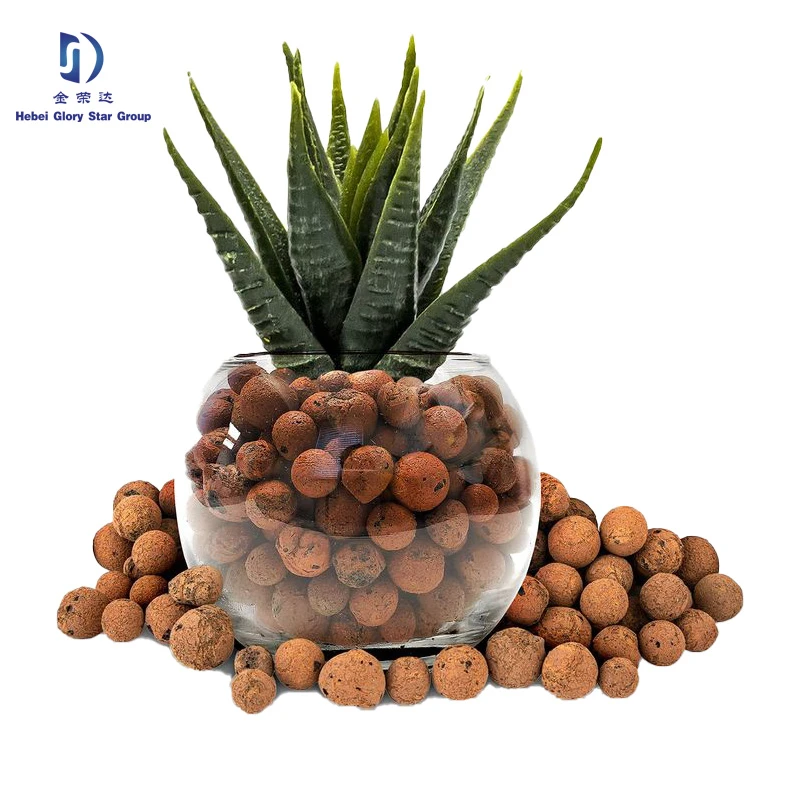
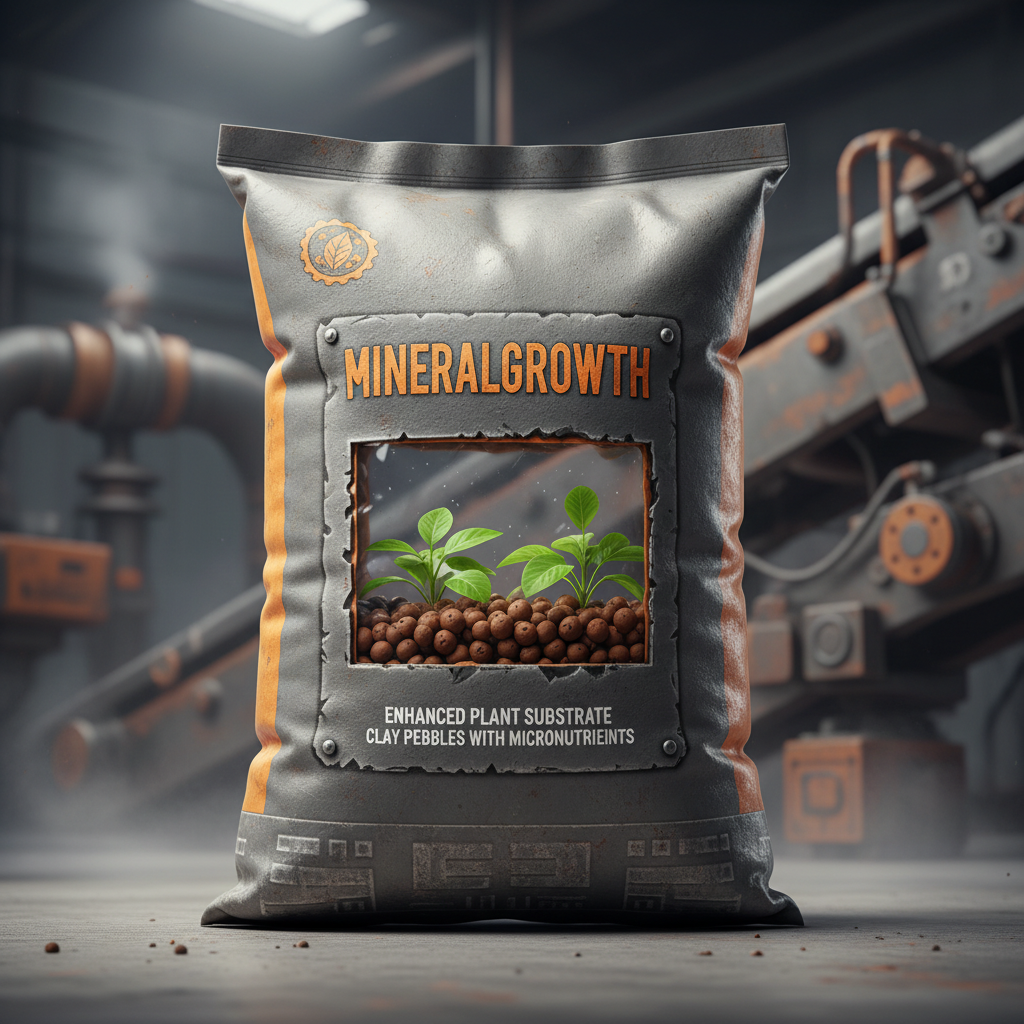
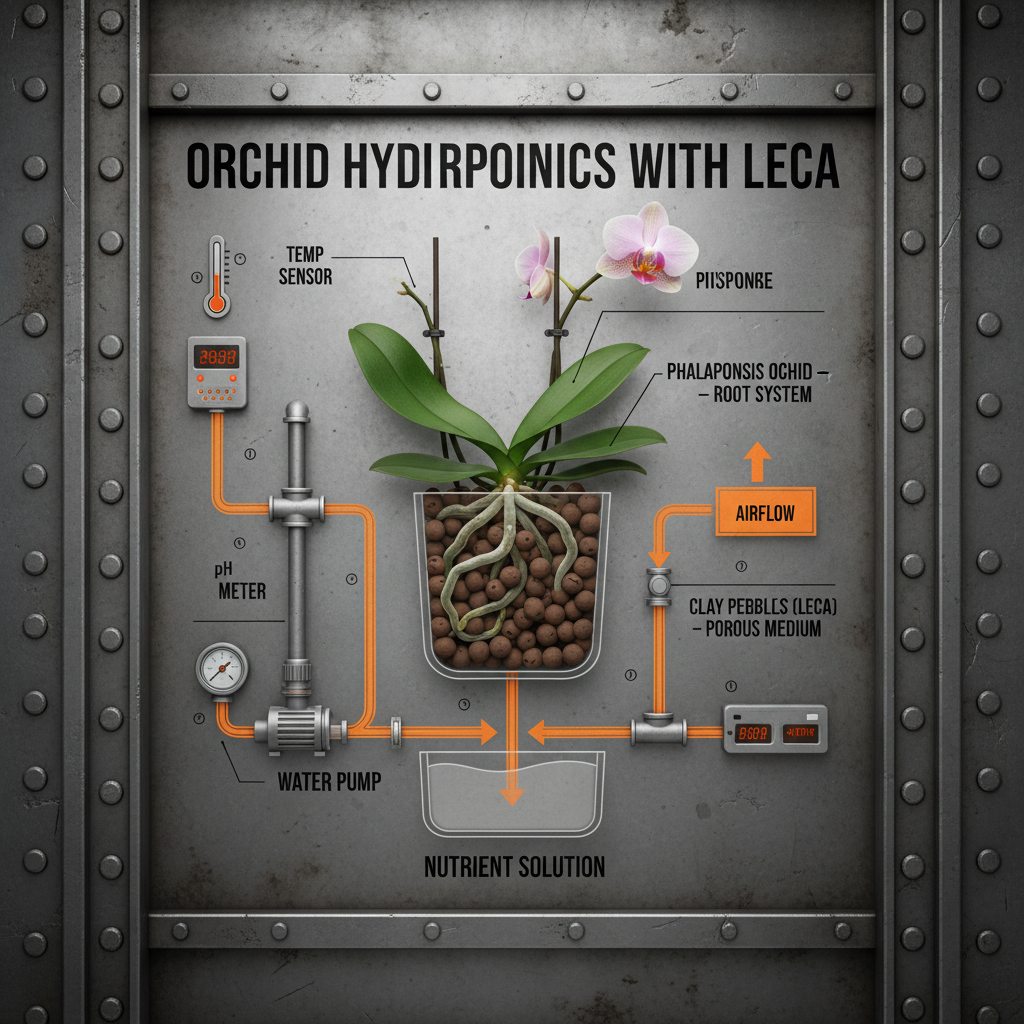
Expanded clay pebbles — or LECA, short for Lightweight Expanded Clay Aggregate — come from roasting natural clay at high temperatures until it forms these durable, sponge-like pellets. Oddly enough, while they seem inert, their porous structure equips them to retain moisture yet allow excellent drainage and oxygenation around roots or filtration media. It’s that balance which makes them broadly useful, whether in hydroponics, water treatment, or as lightweight aggregate in construction.
I still remember inspecting a batch used in a green wall installation last year, where the client emphasized uniform particle size and minimal dust. That’s vital because not all suppliers meet rigorous specs, and inconsistent pebble size can choke a system or reduce aeration. If you’ve dealt with substrate clogging—well, you know the headache.
| Specification | Typical Value |
|---|---|
| Particle Size | 4-16 mm |
| Bulk Density | Approx. 480–650 kg/m³ |
| Porosity | 65-75% |
| pH Level | Neutral (6.5 - 7.5) |
| Water Retention Capacity | 20-30% by volume |
From an industrial point of view, these pebbles are prized for their chemical inertness — they won’t break down or react easily — which means long-lasting stability in filtration systems or substrate beds. They’re also lightweight, which can dramatically reduce transport costs compared to heavier aggregates. I’ve watched several project managers in large-scale horticulture projects remark on how LECA significantly cut down weight loads and made logistics a breeze.
One thing I find interesting is how customizable the clay pellets can be. Depending on the raw clay and firing process, suppliers tweak porosity and density to target specific needs. For example, higher porosity aids moisture retention (good for hydroponic leafy greens), while lower porosity increases strength (better for concrete mixes). When you’re sourcing, be sure to check the supplier’s quality control routines; a small variation can impact performance.
| Vendor | Particle Size Range | Certifications | Typical Uses | Price Range (per ton) |
|---|---|---|---|---|
| Glory Star Export | 4-16 mm | ISO 9001, CE | Hydroponics, Construction | $200 - $300 |
| ClayTech Solutions | 3-14 mm | ISO 14001 | Filter Media, Landscaping | $220 - $310 |
| Earth Pebble Co. | 5-20 mm | CE | Lightweight Concrete | $180 - $270 |
In real terms, choosing the right leca expanded clay pebbles supplier can save you lots of troubleshooting down the line. I’ve noticed that vendors who openly share testing data and certifications often tend to align better with industrial quality needs. Glory Star Export, for instance, provides detailed product data sheets and third-party certifications, which I’ve found helpful when advising clients on compliance and performance.
A little anecdote to wrap up: a friend managing an indoor farm once switched their substrate entirely to expanded clay pebbles after battling root rot with soil. The result? Healthier crops, less disease, and easier cleanup. It feels like small investments in better substrate pay dividends — you know, fewer surprises and cleaner, steadier growth cycles.
So if you’re contemplating substrates for filtration systems, hydroponics, or lightweight fill, I’d say give expanded clay pebbles a solid look. They’re low maintenance and reliable, with a track record shown across industries for decades now.
Happy growing—and remember, a little quality material goes a long way.
References:
1. Industrial Materials Handbook, 2019 Edition.
2. “Porous Media in Hydroponics” - Journal of Agricultural Science, 2020.
3. Supplier Certifications – Visible on Glory Star Export Official Website.
Post time: Jan-06-2026

.png "About")