

Ceramic Clay Pebbles have carved out a niche as a key solution in multiple industries, especially in horticulture, construction, and water filtration. If you’re a decision maker looking for reliable materials that deliver durability and efficiency, then exploring what Glorystar Export offers might just be worth your time. This article dives into how they support professionals with high-quality, high-performance ceramic clay pebbles, and also explains why these pebbles have become a preferred choice in several sectors.
Table of Contents
- Ceramic Clay Pebbles Overview
- Benefits & Use Cases of Ceramic Clay Pebbles
- Cost, Maintenance & User Experience
- Sustainability & Market Trends
Ceramic Clay Pebbles Overview
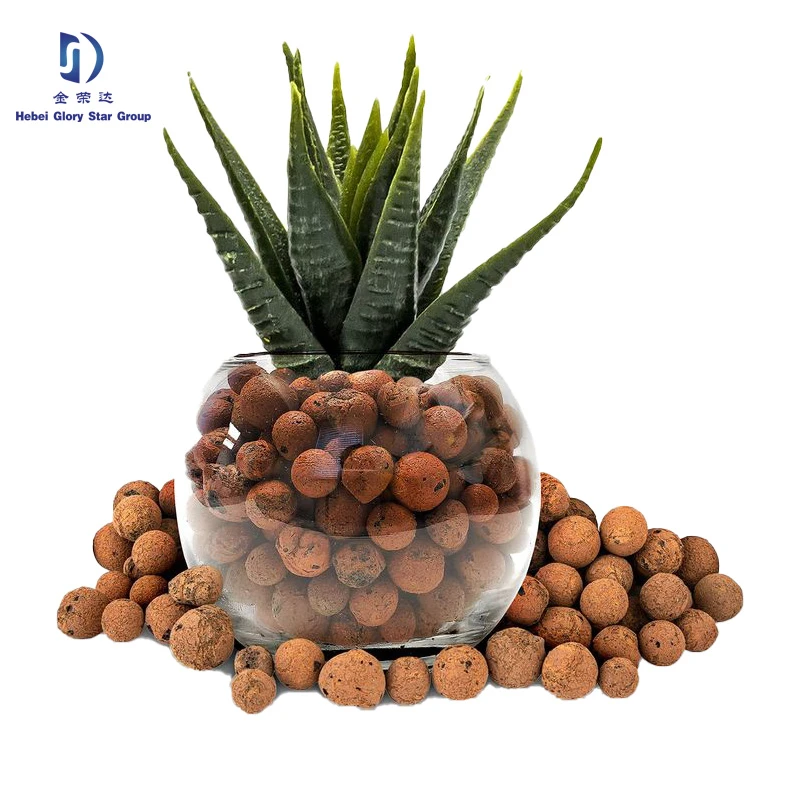
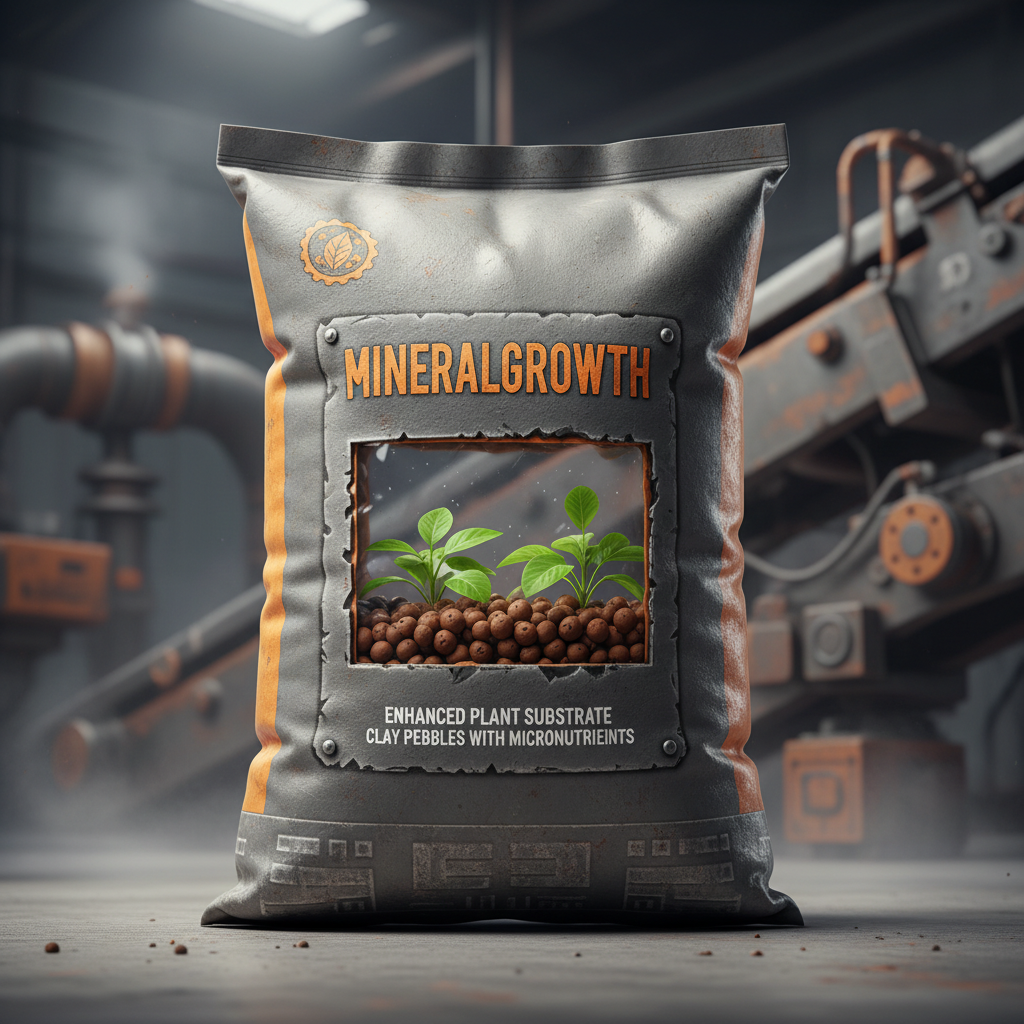
So, what exactly are Ceramic Clay Pebbles? At their core, they're small, porous balls made from specially processed clay fired at high temperatures. This gives them a lightweight yet durable structure, perfect for retaining water while offering excellent aeration. Frankly, in a field where material resilience matters, these pebbles rise above many alternatives. They’re widely used for hydroponics, drainage in green roofs, and even as a biofilter medium.
Technically speaking, the pebbles typically range between 8 to 16 mm in diameter. They have a bulk density around 0.6 to 0.8 g/cm³ and boast a pH-neutral surface, making them versatile for different plant types or filtration needs. One engineer I spoke with noted how their porous ceramic matrix allows for moisture retention without suffocating roots — it’s kind of the sweet spot in substrate science. Another neat detail is their chemical stability under a broad range of pH and salinity, which explains their popularity in aquaponics.
| Specification | Typical Value |
|---|---|
| Diameter Range | 8-16 mm |
| Bulk Density | 0.6 - 0.8 g/cm³ |
| Porosity | 35-45% |
| pH Level | 6.5 - 8.5 (neutral) |
Benefits & Use Cases of Ceramic Clay Pebbles
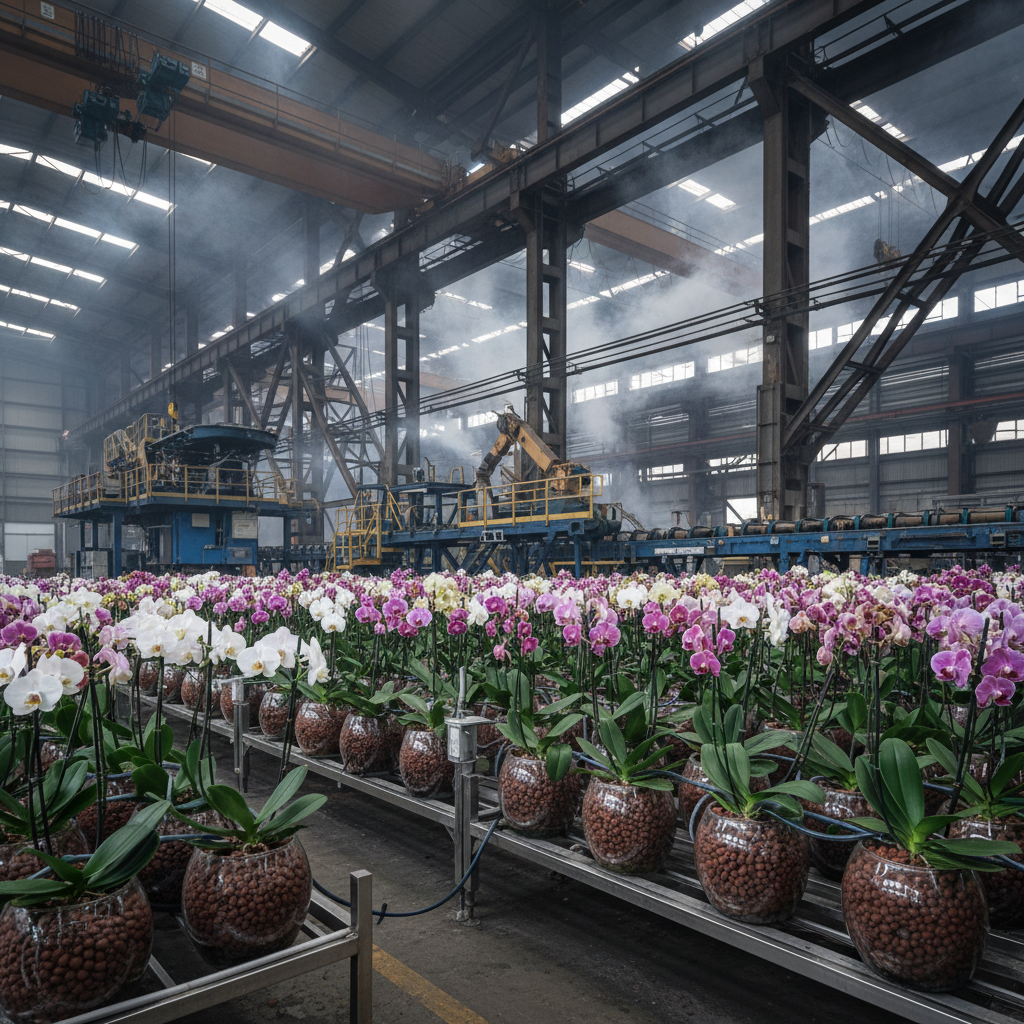
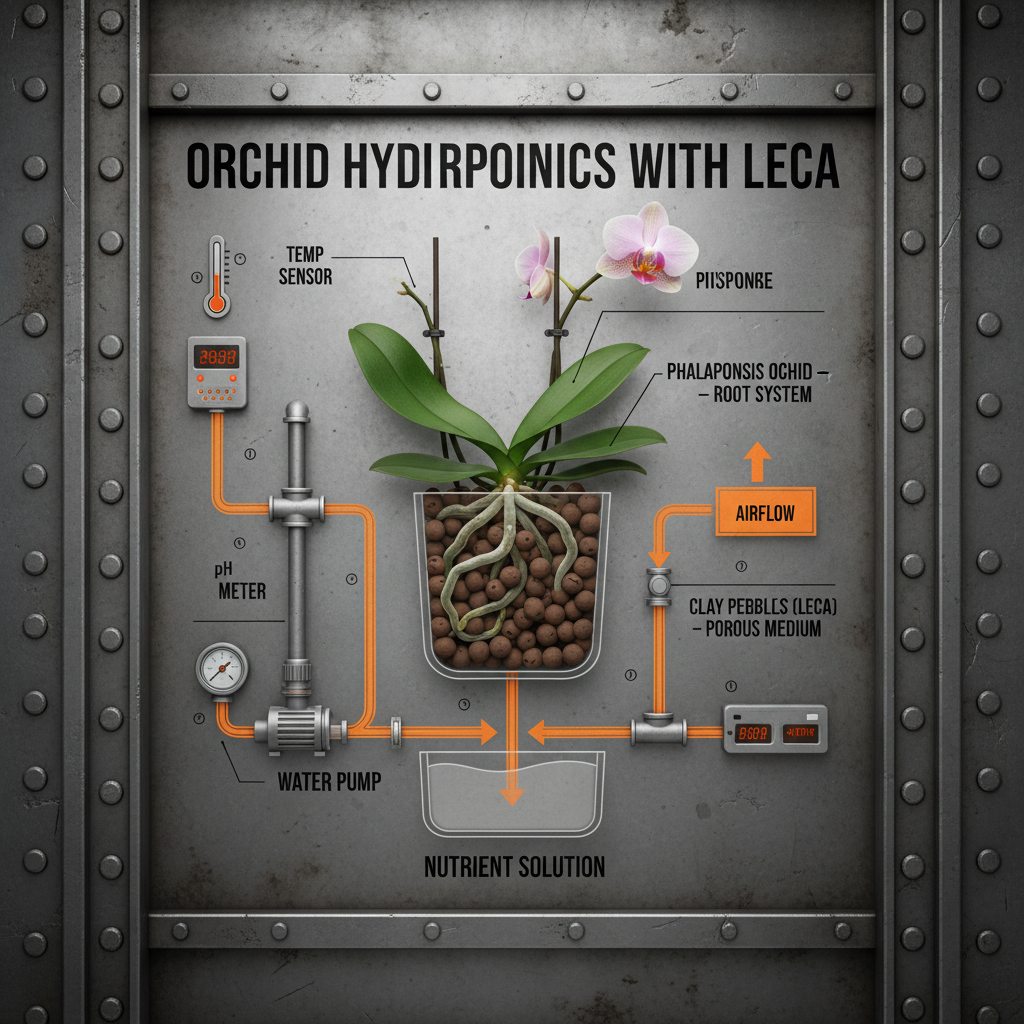
Ceramic clay pebbles shine in a variety of industrial roles, and what’s fascinating is their adaptability. For instance, in horticulture, they’re fantastic for hydroponic systems. They hold moisture well but still let excess water drain away — leading to healthier root zones, fewer diseases, and better yields. In construction, they’re used in green roofs and drainage layers, providing long-term structural support without compaction issues.
Oddly enough, many engineers also praise their use in wastewater treatment. These pebbles serve as a biofilm carrier in biofilters, helping bacteria thrive while improving filtration efficiency. The lightweight ceramic nature also means easier installation and replacement compared to traditional heavy media like gravel.
The competitive advantages? Well, compared to alternatives, these pebbles resist salt build-up, don’t break down over time, and don’t affect pH balance. Plus, sourcing them from reputable suppliers like Glorystar Export means you're getting consistent quality with tight specification control — very important when scaling projects.
Cost, Maintenance & User Experience
When you’re weighing costs, things get a bit nuanced. While ceramic clay pebbles may come with a higher upfront cost compared to natural gravel or expanded clay aggregate, the total cost of ownership often tips in their favor. Why? They’re incredibly durable, featuring high resistance to crushing and chemical corrosion. Many clients report minimal replacement needs after years of use, making them a solid investment.
Maintenance is surprisingly simple. The non-absorbent surface reduces clogging, and most systems benefit from periodic rinsing rather than full replacement. One of our industry contacts shared how switching to these pebbles cut their irrigation system downtime by nearly 30% – a big deal in commercial horticulture.
User feedback generally points to satisfaction with their consistency and performance. It feels almost like a “plug and play” solution for substrate needs, unlike some natural materials that can vary drastically batch to batch. This consistency supports precise engineering specs and cost forecasting — always welcome in project management.
Sustainability & Market Trends
Sustainability is a hot topic — and rightly so. Ceramic clay pebbles are formed from natural clay, which is abundant and non-toxic. The firing process is energy intensive but results in a product that lasts decades, reducing landfill waste from frequent replacements seen with other materials.
With increasing regulations pushing for greener building materials and water-conscious landscaping, interest in ceramic media is growing steadily. Hydroponics, vertical farming, and urban greening projects all benefit from pebbles that are reusable and inert.
Industry forecasts suggest a near-term CAGR of 7-9% in ceramic pebble demand, especially across Asia and Europe, fueled by urban agriculture and eco-friendly construction trends. So, it pays to stay ahead by understanding both product capabilities and broader market shifts.
Frequently Asked Questions about Ceramic Clay Pebbles
- What is Ceramic Clay Pebbles and how does it work?
- Ceramic clay pebbles are small balls of fired clay used mainly as a lightweight, porous growth medium or filtration substrate. Their porous structure helps retain moisture and air, supporting plant roots or bacterial biofilms in filtration.
- What are the main benefits of using Ceramic Clay Pebbles in industrial applications?
- They offer high durability, chemical inertness, excellent water retention with drainage, and pH-neutrality. These properties lead to lower maintenance, longer lifespan, and better system performance compared to many traditional alternatives.
- How does Ceramic Clay Pebbles compare to traditional alternatives?
- Unlike gravel or expanded clay aggregate, ceramic clay pebbles have a uniform size and texture with higher porosity and strength. This often translates to better aeration, less compaction, and longer-lasting material quality.
- What industries can benefit most from Ceramic Clay Pebbles implementation?
- Key sectors include hydroponic farming, green construction (like green roofs), water and wastewater treatment, and aquaponics. Each benefits from the pebbles’ unique water retention and aeration properties.
Conclusion on Ceramic Clay Pebbles from china
To sum up, Ceramic Clay Pebbles remain a remarkably adaptable material with clear advantages in durability, performance, and sustainability. If your business demands a reliable, tested substrate or filtration medium, this product deserves serious consideration. After all, it blends cost efficiency with technical benefits — and sourcing it from trusted providers like Glorystar Export ensures consistent quality and support.
- They add lasting value to hydroponics, green construction, and filtration systems alike.
- Visit our website: https://www.glorystarexport.com
| Vendor | Quality Consistency | Price per Ton | Lead Time | Customer Service |
|---|---|---|---|---|
| Glorystar Export | High (ISO certified) | $450 | 2-3 weeks | Responsive & knowledgeable |
| Local Supplier A | Medium (variable batches) | $480 | 1 week | Standard |
| Supplier B (Asia) | High | $430 | 3-4 weeks | Good |
Reflecting on the evolving needs of sustainable industry practices, ceramic clay pebbles strike a unique balance between tradition and modern innovation. Their rising adoption signals a shift towards smarter, greener solutions in B2B sectors — a trend worth watching closely.
References:
1. Industry Hydroponics Review, 2023
2. Green Construction Materials Journal, 2022
3. Water Treatment Filtration Advances, 2023
Post time: Jan-07-2026

.png "About")