

Calcinated Confidence: A Field Note on Dehydrated Mica for Welding, Paints, and Rubber
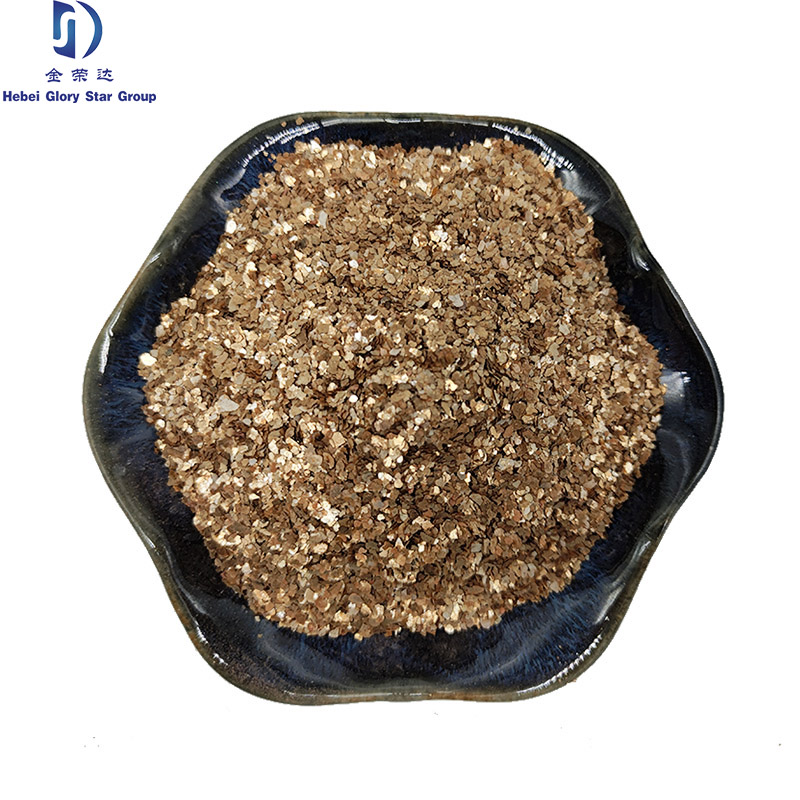
After walking the floor of a welding electrode plant in Hebei last spring, I kept hearing one phrase: dehydrated mica. Not in a buzzword way—more in the quiet, shop-floor sense that “this stuff just works.” The product on the line was Building Materials Dehydrated Mica Calcinated Mica For Welding / Painting / Rubber, sourced out of 368 Youyi North Street, Shijiazhuang, Hebei, China. Bright color, stable quality, they said. And, to be honest, that’s what I saw in the test sheets.
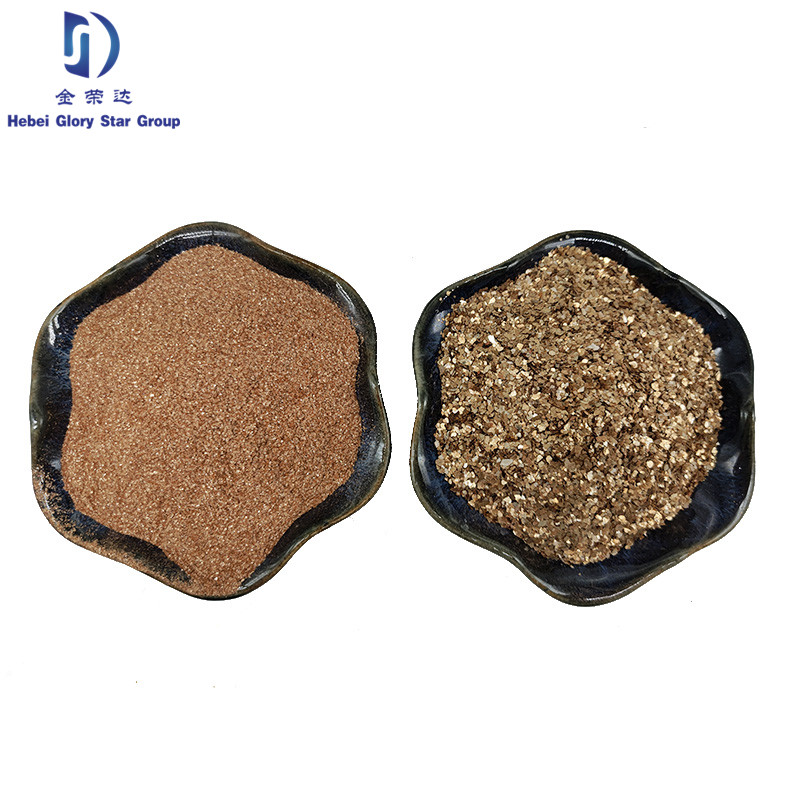
Why calcinated mica keeps showing up in specs
Calcination strips structurally bound water from mica plates, tightening the lattice. The benefit? dehydrated mica handles heat abuse better, holds its dielectric performance longer, and disperses cleaner in coatings and rubber. In fact, many customers say its “sheet-like” morphology gives that armored barrier in paints—less permeability, nicer sheen control.
Typical technical specifications (real-world use may vary)
| Parameter | Typical value ≈ | Test standard |
|---|---|---|
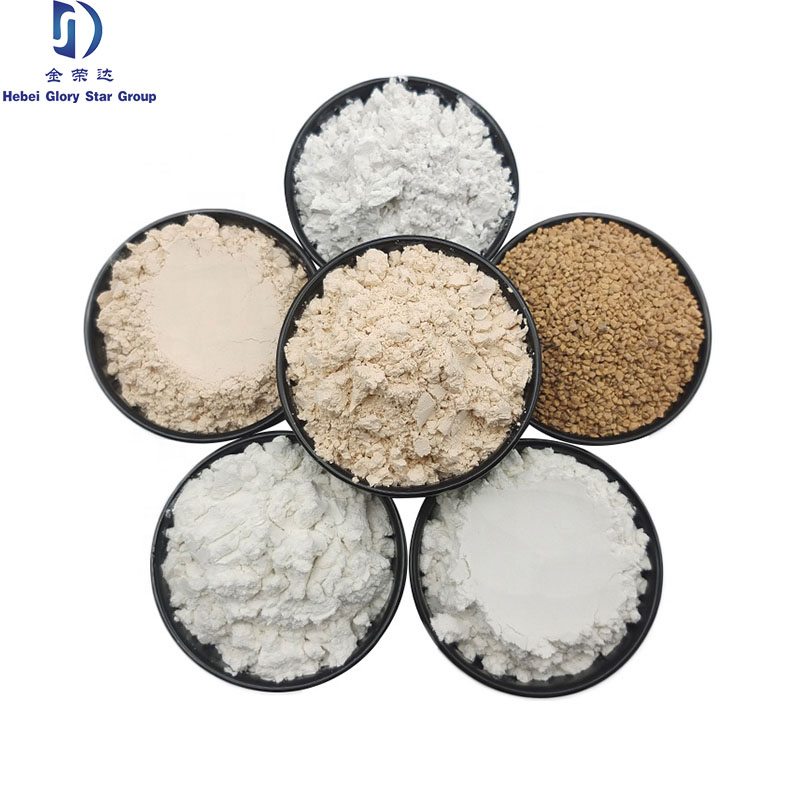
| Appearance / color | Bright, off‑white to light tan | Visual, L monitor |
| Moisture | ≤ 0.5 % | ISO 787‑14 |
| Loss on ignition (post‑calc.) | ≤ 1.0 % | ISO 787‑3 |
| Particle sizes | 20–325 mesh; custom D50 on request | ISO 787‑7 (sieve) |
| pH (10% slurry) | 7.0–9.0 | ISO 787‑9 |
| Dielectric strength (composite) | High, suitable for insulation grades | IEC 60371 series |
| Thermal endurance | Up to ≈ 800 °C intermittent | Method per application |
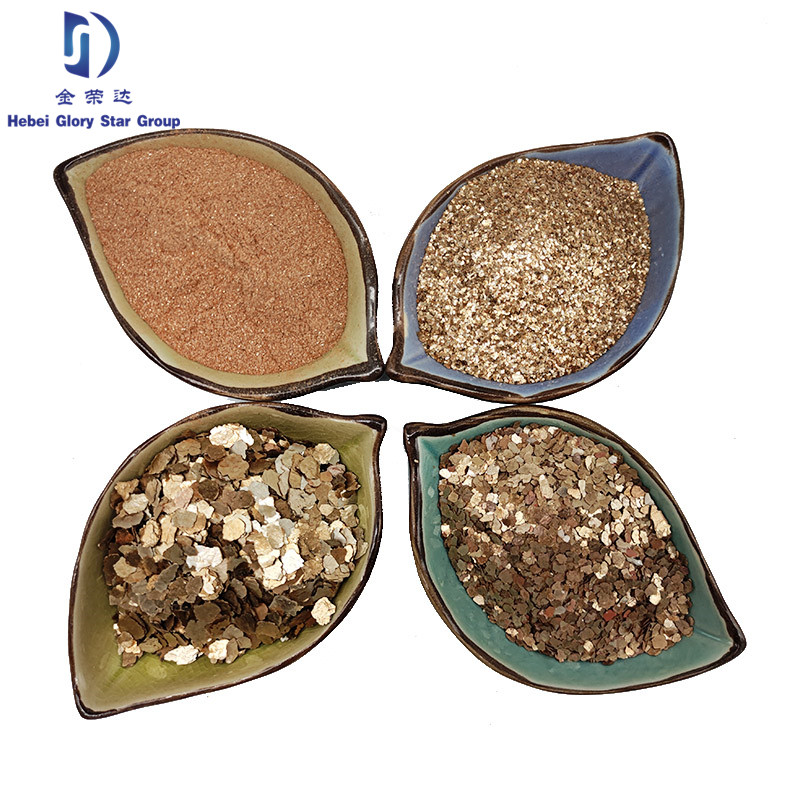
How it’s made (rotary furnace, evenly cooked)
- Ore selection: mainly muscovite grades, low Fe2O3 preferred.
- Washing, crushing, pre‑classifying.
- Rotary-furnace calcination: controlled residence time for uniform dehydroxylation.
- Air cooling, grinding, sieving, magnetic separation, de‑dusting.
- QC testing: moisture, LOI, pH, particle size, brightness; dielectric checks when specified (ASTM D257; IEC 60371 guidance).
Service life notes: in alkyd exterior paints, we’ve seen barrier improvements that push neutral salt spray from ≈ 480 h to ≈ 720 h (ASTM B117), depending on binder and PVC. Your mileage, of course, may vary.
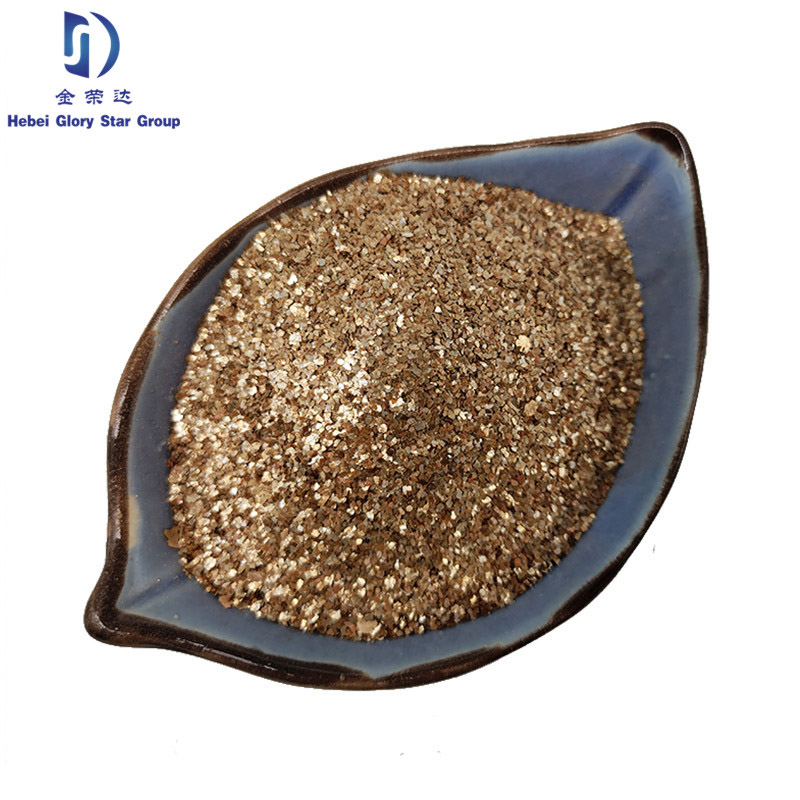
Where it earns its keep
Welding electrodes and fluxes: dehydrated mica behaves as a heat‑resistant filler and arc‑stability aid; formulators like its platelets for slag peel. Paints and coatings: anti‑permeation platelets, sheen tuning, scrub resistance. Rubber: dimensional stability, heat aging improvement. Also seen in electrical insulation laminates and some decorative building panels where bright, stable tones are needed.
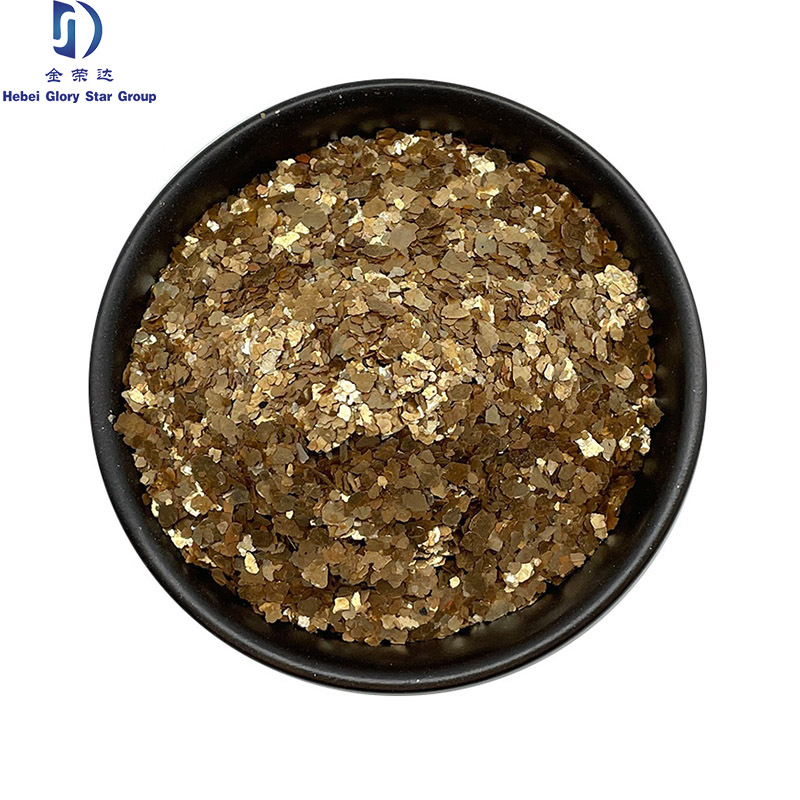
Quick field stories
- Welding rod plant (SEA): swap to dehydrated mica cut flux moisture pickup; batch scrap down ≈1.5% over a quarter. Operator feedback: “slag breaks cleaner.”
- Industrial primer (EMEA): 10 phr mica shifted corrosion panels from undercutting 2–3 mm to ≈1 mm after 500 h salt spray; tint cost dropped slightly thanks to brightness.
Vendor snapshot (what buyers actually compare)
| Vendor | Furnace | Mesh range | Color L ≈ | Certs | MOQ | Lead time ≈ |
|---|---|---|---|---|---|---|
| Glory Star (Huayuan) | Rotary, uniform heat | 20–325 | 88–92 | ISO 9001; REACH; RoHS | 1–5 t | 10–15 days |
| Regional Trader A | Batch kiln | 40–200 | 85–90 | Basic COA | 5–10 t | 2–4 weeks |
| OEM Processor B | Shaft/rotary mix | 60–325 | 87–91 | ISO 9001; SDS | 3–5 t | 2–3 weeks |
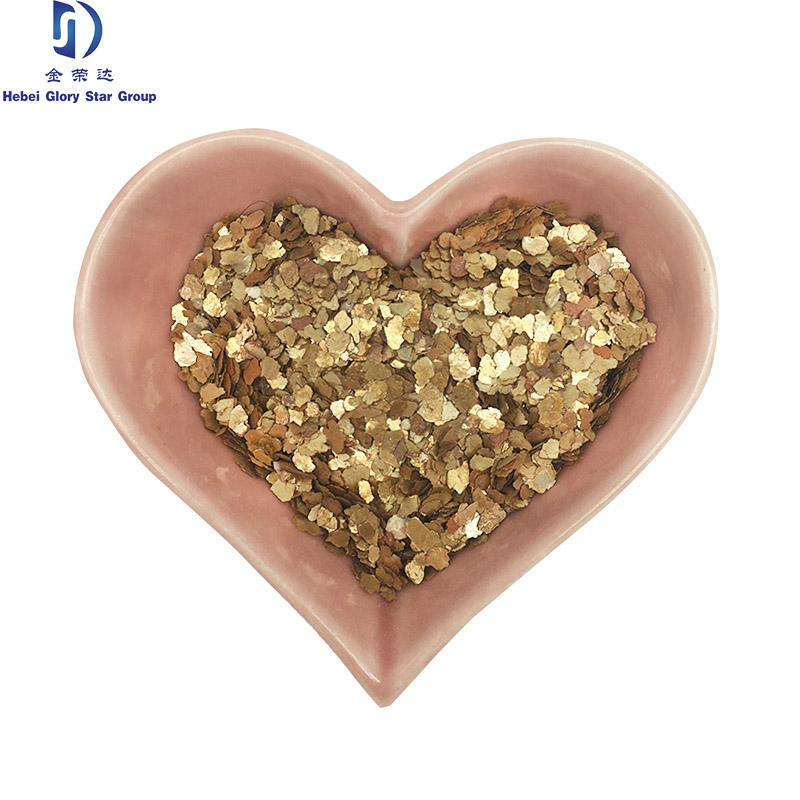
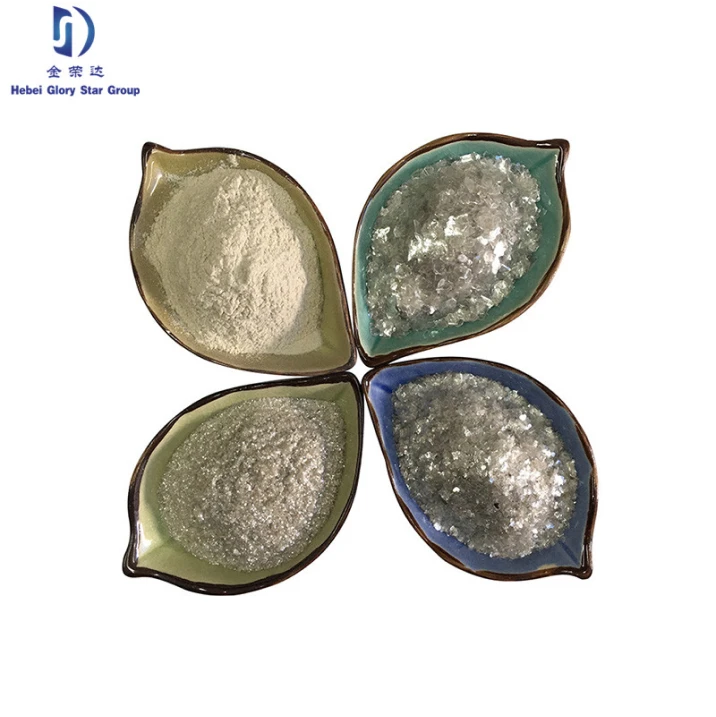
Customization I’ve seen requested: tighter top‑cuts, silane/titanate surface treatments for polymers, low‑iron selections for light tints, and anti‑caking packs. Compliance? Expect SDS, ISO 9001, and screening for REACH SVHC, plus RoHS declarations on request.
Testing and standards you’ll likely cite
Paint labs lean on ISO 787 series; insulation folks point to IEC 60371; rubber teams check dispersion and heat aging; welding QA references AWS filler-metal specs. It seems simple, but aligning on those early saves weeks.
- IEC 60371: Insulating materials based on mica for electrical purposes.
- ISO 787 (series): General methods of test for pigments and extenders.
- ASTM D257: Standard Test Methods for DC Resistance or Conductance of Insulating Materials.
- ASTM B117: Standard Practice for Operating Salt Spray (Fog) Apparatus.
- EU REACH Regulation (EC) No 1907/2006 and RoHS 2011/65/EU compliance guidance for industrial minerals.
Post time: Oct-01-2025


.png "About")