

Understanding Mineral Vermiculite: Why It Still Matters Worldwide
Mineral vermiculite might not be a household name, but in quite a few corners of the world, it quietly plays a crucial role. Whether you're in construction, agriculture, or even humanitarian relief, vermiculite’s unique properties offer solutions to some persistent global challenges — think lightweight insulation, improved soil aeration, or even fire protection. As urbanization and climate change advance hand-in-hand, materials like mineral vermiculite become ever more relevant. Getting a better grasp on what it is and why it’s beneficial is, frankly, a small window into some big-picture progress.
The Global Context: Why Mineral Vermiculite Matters on a Bigger Scale
Globally, mineral vermiculite supply and demand are tightly linked to industries ranging from agriculture to fire safety. According to the United Nations, modern infrastructures need to both conserve energy and be resilient to disasters — and many of these goals rely upon lightweight, insulating materials like vermiculite. The World Bank estimates that construction materials that optimize energy efficiency could reduce building emissions by up to 40% by 2050. Vermiculite’s role as an insulator and soil amendment is key here, especially in places facing extreme weather or poor soil quality.
But here’s the catch: many developing regions still struggle to access efficient, affordable building and farming materials — that’s where mineral vermiculite helps close a gap.
What Exactly Is Mineral Vermiculite?
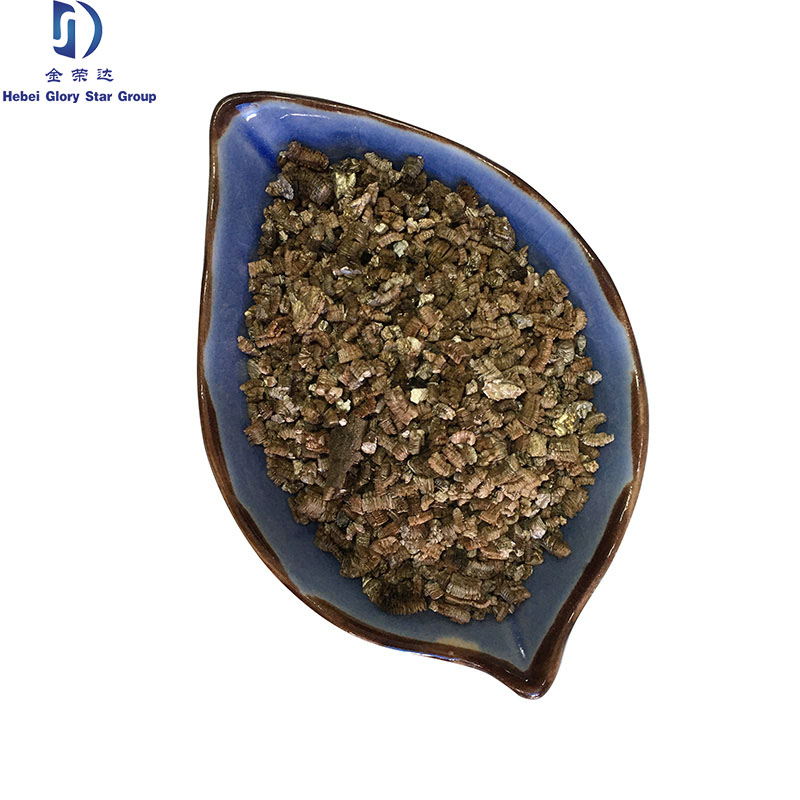
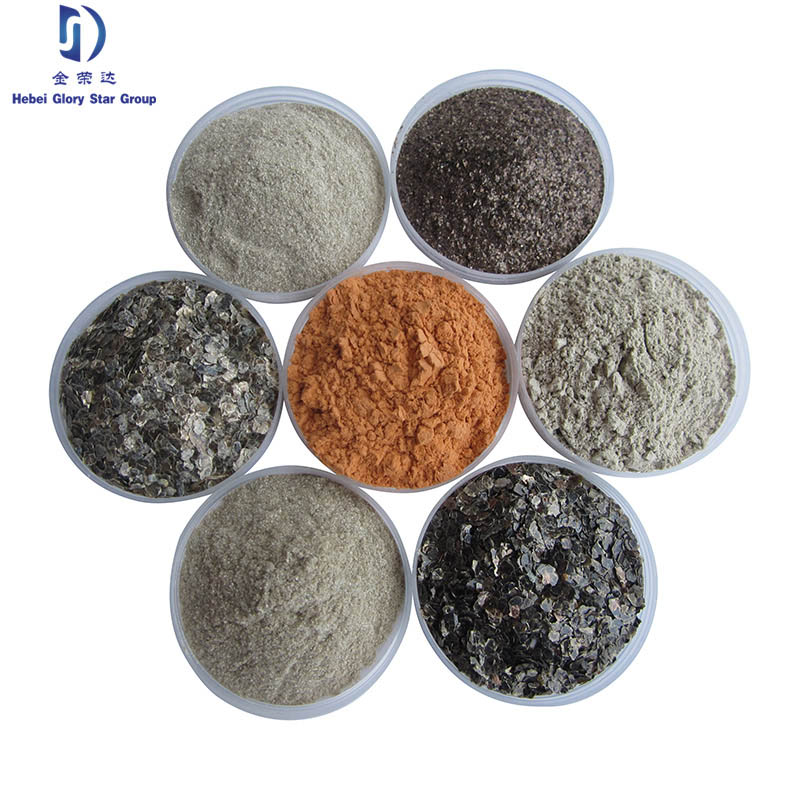
At its core, mineral vermiculite is a natural, expandable silicate mineral. When heated, it "pops" open like popcorn, creating lightweight, porous flakes ideal for insulation, water retention, and fire resistance. It’s mined from the earth, then processed for uses that range from horticulture to specialized cements. Think of it as nature’s multitasker, bridging modern industry needs and humanitarian challenges—for example, its use in mineral vermiculite for disaster-resistant housing or sustainable farming.
Key Properties of Mineral Vermiculite
- Lightweight & Insulating: Its low density makes it excellent for thermal insulation, reducing HVAC energy needs.
- Water Retentive: In soils, it holds moisture and nutrients, improving agricultural yield in arid or degraded lands.
- Fire Resistance: Vermiculite can withstand high temperatures without breaking down, enhancing fire safety in buildings.
- Expandability: Its ability to expand multiple times in volume under heat makes it versatile for compounding.
- Non-Toxic & Environmentally Friendly: Being natural and inert, it poses few environmental risks compared to synthetic alternatives.
Mini takeaway: Mineral vermiculite is far from a one-trick pony—its inherent versatility gives it wide practical applications.
Major Applications of Mineral Vermiculite Across the Globe
In real terms, mineral vermiculite’s applications span continents and sectors.
- Agriculture: In East Africa and Latin America, vermiculite-enriched soils help farmers boost yields amid erratic rainfall. Its water retention promotes resilient crop growth where irrigation is limited.
- Construction & Insulation: Europe and North America use it extensively as loose-fill insulation in walls and attics, and as lightweight aggregate in concrete blocks for earthquake-prone zones.
- Disaster Relief Housing: NGOs working with displaced communities use vermiculite-based panels for quick, fire-resistant shelters with better thermal comfort.
- Industrial Applications: As a filler or lubricant, vermiculite helps improve thermal insulation in furnaces or acts as a carrier in fertilizers.
For instance, after the 2010 Haiti earthquake, rapid-deployment shelters made partly with vermiculite-containing panels provided safer, cooler spaces for thousands. It’s oddly satisfying seeing a mineral originally studied for its kitchen use make such a big humanitarian impact.
Product Specifications of Typical Mineral Vermiculite
| Specification | Typical Value | Remarks |
|---|---|---|
| Bulk Density (g/cm³) | 0.12 - 0.32 | Depends on expansion grade |
| Thermal Conductivity (W/m•K) | 0.055 - 0.065 | Excellent insulator |
| pH | 6.5 - 8.5 | Slightly alkaline |
| Water Absorption Capacity | 3-5 x own weight | Crucial for soil amendments |
| Fire Resistance | Up to 1100°C | Non-combustible mineral |
Comparing Top Mineral Vermiculite Suppliers: A Quick Look
| Supplier | Origin | Grade Variety | Typical Applications | Lead Time |
|---|---|---|---|---|
| Supplier A | South Africa | Fine, Medium, Coarse | Agriculture, Construction | 3-5 weeks |
| Supplier B | India | Multi-expandable grades | Horticulture, Industrial | 2-4 weeks |
| Supplier C | USA | High purity, Expanded chips | Fireproofing, Packaging | 4-6 weeks |
Advantages and Long-Term Value of Using Mineral Vermiculite
There’s more than just the specs to love about vermiculite. It brings tangible cost savings through energy efficiency — since insulated buildings like those with vermiculite require less heat or AC, monthly bills dip. It’s sustainable because it’s natural, inert, and typically mined with relatively low environmental impact compared to synthetics. You don’t have to choose between cost and conscience here.
And on a human side: better indoor air quality, improved shelter safety, and even dignity for displaced families when vermiculite panels form part of their homes. It feels good to know that such an unassuming mineral can touch so many important lives.
Looking Ahead: Innovations and Trends in Mineral Vermiculite Use
Innovation in vermiculite largely revolves around increasing processing efficiency, combining it with other eco-materials, and optimizing its particle sizes for new applications. Digital automation helps suppliers consistently grade it, improving quality control. There’s also interest in harnessing it for green tech — like battery insulation or solar panel encapsulation. Sustainability is no longer just a buzzword but becoming a driving force behind R&D.
Challenges Facing Mineral Vermiculite and Possible Solutions
Of course, it’s not all smooth sailing. Access to high-purity vermiculite can be limited geographically, making logistics costly. Plus, quality can vary by source, so rigorous testing is necessary. Some concerns arise about trace asbestos contamination in legacy mines — though modern regulations minimize this risk.
Addressing these challenges means structural industry collaboration, better supply chain transparency, and stricter certification standards. Advances in rapid testing and remote sensing could also reduce uncertainties, smoothing supply disruptions for vital projects.
FAQ: Your Practical Questions About Mineral Vermiculite
Q1: What makes mineral vermiculite a preferred insulation material?
A: Mineral vermiculite’s lightweight and multi-layered structure traps air effectively, providing excellent thermal insulation. Unlike many synthetics, it’s fire-resistant, non-toxic, and does not deteriorate easily, which makes it a reliable choice for walls, ceilings, and even fireproof boards.
Q2: How can mineral vermiculite improve agricultural productivity?
A: By absorbing and retaining water and nutrients, vermiculite enriches soil structure, helping plants sustain growth in drought-affected or nutrient-poor soils. Its neutral pH and aeration properties foster healthier root systems and enhance seed germination rates.
Q3: Is it safe to use vermiculite in residential construction?
A: Modern mineral vermiculite is safe when sourced from certified mines and properly processed to exclude asbestos contamination. Using tested vermiculite ensures safe indoor air quality and complies with building codes.
Q4: How do I source mineral vermiculite internationally for my projects?
A: Reach out to reputable suppliers with transparent certifications and product testing reports. Check lead times, logistics costs, and sample quality beforehand. Websites such as mineral vermiculite provide detailed product catalogs and export services tailored for global clients.
Wrapping Up: Why Mineral Vermiculite Is Worth Your Attention
Mineral vermiculite is one of those quietly powerful materials that blends natural ability with modern needs. From supporting sustainable agriculture to making buildings safer and more energy efficient, its role is underscored by versatility and resilience. If you’re exploring cost-effective, environmentally sound solutions for insulation, soil health, or disaster relief, vermiculite deserves a spot on your radar.
For more detailed info and sourcing options, swing by our website: mineral vermiculite. You might just find the perfect fit for your next project.
References:
Post time: Nov-15-2025
.png "About")