

Understanding Kaolin: The Unsung Mineral Powering Modern Industry
Kaolin might sound like just another earth mineral, but its global importance is surprisingly vast and timely. From ceramics to paper-coating, even in pharmaceuticals and cosmetics, understanding kaolin unlocks insights into sustainability, industry innovation, and emerging markets. If you’ve ever wondered how a soft, white clay can quietly shape so many products we rely on daily, this is your exploration guide.
Introduction: Why Kaolin Matters Globally
Kaolin is extracted on a massive scale worldwide—global production hovers around 30 million metric tons annually, according to Wikipedia. Major producers include China, the United States, Brazil, and the UK. It’s fascinating how this mineral addresses a broad spectrum of challenges, such as improving paper quality in publishing or enhancing paint durability in construction. In an era pushing for sustainable materials, kaolin offers a naturally occurring, nontoxic option that’s renewable with proper mining practices.
However, as environmental standards rise, mining kaolin needs careful management to avoid land degradation and water contamination. Industry stakeholders worldwide are pushing to balance extraction with ecological responsibility, highlighting kaolin’s role not just as a commodity but a test of sustainable industrial practices.
Defining Kaolin: What Is It Exactly?
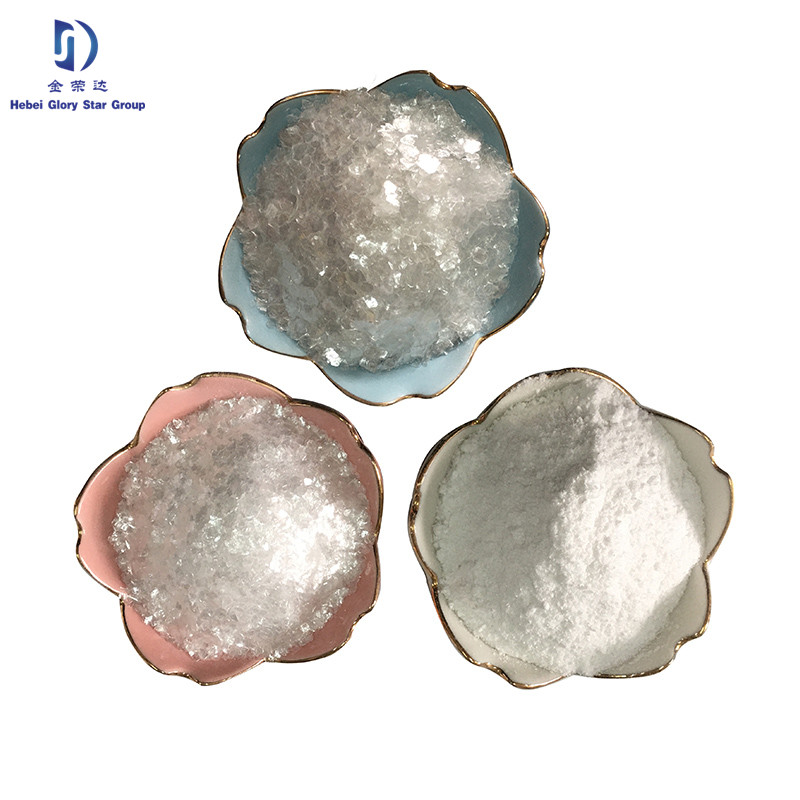
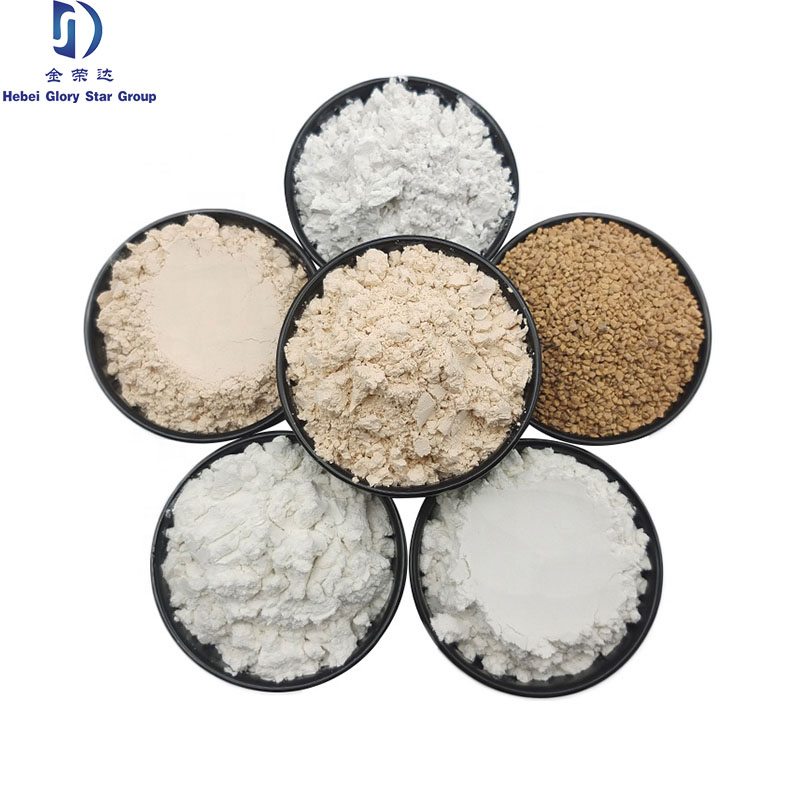
Simply put, kaolin is a fine, white clay made mainly of the mineral kaolinite. Its name actually comes from "Gaoling," a hill in China where the mineral was first mined centuries ago. Unlike coarser clays, kaolin particles are tiny and plate-like, giving it a smooth texture and exceptional absorbency — qualities that make it incredibly valuable across industries.
Think of it as the versatile underdog of minerals: it might not be flashy, but its role is foundational. In humanitarian terms, kaolin finds its place in water purification, helping communities gain access to cleaner water, and in developing safer, more effective medicines.
Key Features of Kaolin and Their Industrial Impact
1. Purity and Brightness
Kaolin’s natural whiteness and ability to brighten products like paper and paint make it irreplaceable. For example, paper manufacturers value kaolin for coating and filling to achieve that crisp, attractive finish readers appreciate.
2. Particle Size and Texture
The fine, smooth particles contribute to excellent gloss and improved surface properties in ceramics and plastics. Smaller particles also mean better binding capabilities — crucial for pharmaceuticals.
3. Chemical Inertness
Kaolin doesn’t react easily with other substances, making it ideal for use in paints and rubber where stability under different temperatures and conditions matters.
4. Thermal Stability
In ceramics, kaolin can withstand kiln firing without degradation, allowing manufacturers to create durable pottery and industrial components.
5. Environmental Friendliness
Being a naturally occurring mineral without toxic additives, kaolin supports green manufacturing initiatives. When responsibly sourced, it contributes less pollution compared to synthetic alternatives.
Product Specifications of Typical Kaolin (Example)
| Specification | Typical Value | Unit |
|---|---|---|
| Kaolinite Content | 85-95 | % |
| Brightness (ISO) | 85-92 | % |
| pH (Suspension) | 6.0-7.5 | – |
| Loss on Ignition | 10-12 | % |
| Moisture Content | 2-5 | % |
Mini takeaway: These specs determine kaolin’s suitability and quality for various industries, from paint manufacturing to pharmaceuticals.
Global Applications & Use Cases of Kaolin
- Paper Industry: Used in surface coating to improve brightness and printability in Asia’s booming publishing markets.
- Ceramics: In Europe and South America, kaolin is foundational in producing fine porcelain and industrial ceramics.
- Paint and Coatings: North American manufacturers use kaolin to improve pigment dispersion and reduce production costs.
- Pharmaceuticals and Cosmetics: Its absorbent properties make it vital in products ranging from detoxifying clay masks to excipients in tablets.
- Water Purification: NGOs in Africa have successfully deployed kaolin-based filtration materials to improve drinking water quality, a testimony to its humanitarian role.
Vendor Comparison: Leading Kaolin Suppliers
| Supplier | Origin | Purity Range (%) | Typical Applications | Sustainability Initiatives |
|---|---|---|---|---|
| Glory Star Export | China | 90-95 | Paper, Ceramics, Paint | Land rehabilitation & water conservation |
| Imerys | France | 85-92 | Cosmetics, Paint, Plastics | Carbon neutrality targets |
| Thiele Kaolin Company | USA | 88-93 | Paper, Tile Production | Waste reduction & recycling initiatives |
Mini takeaway: Choosing a kaolin supplier often balances purity needs and environmental responsibility, with ones like Glory Star Export shining on both counts.
Advantages and Long-Term Value of Kaolin
Kaolin’s cost-effectiveness is often underestimated. Because it is abundant and locally mined in many countries, it reduces reliance on synthetic, import-dependent raw materials — which frankly is a relief for industries managing tight budgets. On top of that, kaolin’s environmental profile is strong: low energy inputs for refining, minimal chemical additives, and good biodegradability.
Socially, minerals like kaolin support local mining communities, providing livelihoods often in rural areas where jobs are scarce. On a product level, kaolin imparts superior quality — brighter paper means sharper prints; smoother ceramics mean higher consumer value. All this creates a ripple effect of trust and reliability around products that incorporate kaolin.
Future Trends and Innovations in Kaolin Use
Looking ahead, the intersection of kaolin with green tech is exciting. For instance, research is ongoing into nano-kaolin, which can improve materials’ mechanical properties while enabling lower energy consumption. In the digital era, precision mining with drones and sensors is improving extraction efficiency and minimizing environmental impact.
Policymakers are also emphasizing sustainable sourcing certifications, akin to the Forest Stewardship Council for wood, which could reshape kaolin markets by favoring transparent and ethical production chains. Not to mention, as e-commerce grows, kaolin-enhanced packaging materials that are biodegradable could become a norm — providing both durability and sustainability.
Challenges and Solutions in Kaolin Industry
No industry is without hurdles. Kaolin mining sometimes faces criticism due to habitat disruption and sediment runoff. Plus, variability in quality from different deposits can complicate supply chains. The kiln firing energy cost in ceramics also poses environmental concerns.
However, companies are innovating: adopting closed-loop water systems, using renewable energy in processing, and blending different kaolin grades to meet specs efficiently. Manufacturers are increasingly collaborating with geologists and environmental scientists, ensuring practices that are technically sound and ethically responsible.
FAQ: Frequently Asked Questions About Kaolin
- Q: What industries benefit most from using kaolin?
A: Primarily paper manufacturing, ceramics, paints/coatings, pharmaceuticals, and cosmetics utilize kaolin’s unique properties like brightness, smoothness, and inertness. These applications leverage kaolin to improve product quality and performance. - Q: Is kaolin environmentally safe to mine?
A: Responsible mining practices minimize environmental impact through land rehabilitation and water management. While challenges exist, many suppliers, including Glory Star Export, follow stringent sustainability policies to ensure eco-friendly operations. - Q: How does kaolin improve paper products?
A: Kaolin acts as a coating and filler to enhance paper brightness and smoothness, improving print quality and reducing ink usage, making papers look sharper and feel better. - Q: Can kaolin be used in water purification?
A: Yes, owing to its absorbent and adsorptive properties, kaolin helps remove impurities and sediments, providing cleaner drinking water especially in resource-limited settings. - Q: How do I source high-quality kaolin internationally?
A: Partnering with reputable suppliers who provide technical specs and sustainability certifications is key. Websites like Glory Star Export serve global customers with transparent supply chains and quality assurance.
Conclusion: Why Kaolin Remains Essential
To sum it up, kaolin is more than just white clay. It’s a cornerstone mineral that quietly supports industries, communities, and sustainable futures globally. Its multifaceted uses touch everything from the everyday notebook to critical water filtration, blending industrial strength with social value.
If you want to explore premium kaolin solutions for your business or projects, do check out Glory Star Export — a trusted partner for quality and sustainability in mineral supply.
Final reflection: It’s odd but true — some of the most unassuming minerals are the ones holding entire industries together. Kaolin is definitely one of those hidden heroes worth knowing about.
References
Post time: Dec-02-2025


.png "About")