

Inside Coarse Vermiculite: An Industrial Veteran’s Take
Coarse vermiculite—if you’ve ever dealt with insulation, fireproofing, or lightweight packing materials in an industrial setting, you’ve probably run into it. It’s one of those minerals that quietly gets the job done without fuss or headlines. I’ve worked around it quite a few times over the years, and yet, each time I dig into a fresh batch or specify it for a client, there’s something satisfying about its versatility and simple reliability.
What Makes Coarse Vermiculite So Valuable in Industry?
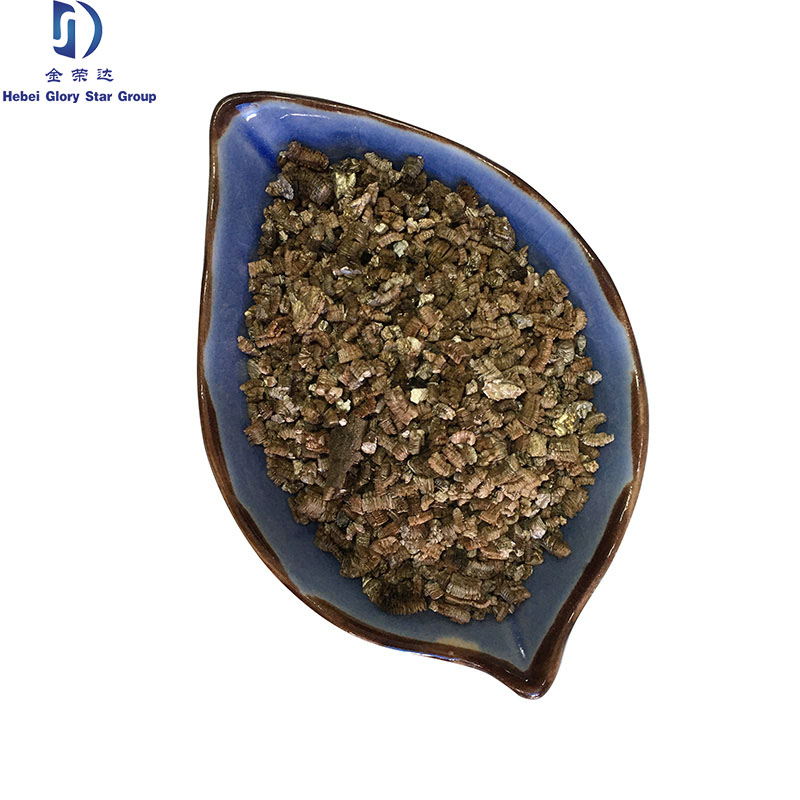
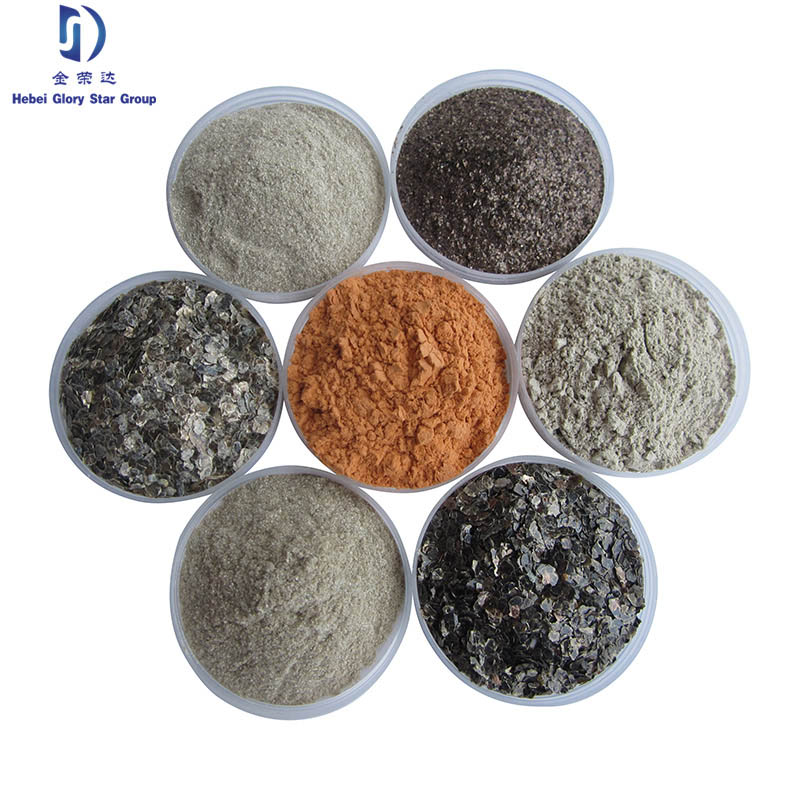
At its core, coarse vermiculite is an expanded form of a natural mineral. When heated rapidly, layers puff up into these accordion-like flakes that trap air. This trapped air gives vermiculite its lightweight, insulating, and fire-resistant properties. Honestly, it’s quite remarkable how something so naturally occurring can replace a lot of synthetic materials in harsh industrial conditions.
In conveyor systems, for example, heat buildup can be a persistent enemy. Vermiculite liners inside chutes or around motors help keep temperatures manageable. Plus, many engineers appreciate how vermiculite can withstand repeated thermal cycling without crumbling or losing structure—qualities you want in a material that's meant to last, not just sit prettily on a shelf.
Product Specification: What to Look for in Coarse Vermiculite
| Specification | Typical Range / Value |
|---|---|
| Particle Size | 1.5 - 5 mm (coarse granules) |
| Bulk Density | 80 - 130 kg/m³ (very lightweight) |
| Expansion Ratio | 8 - 12 times original volume |
| Maximum Operating Temperature | 1100°C (up to 2000°F in some grades) |
| Moisture Content | |
| Chemical Composition | Magnesium Aluminum Silicate |
One thing I always remind folks — not all vermiculite is created equal. Coarse grades like the specs above are typically used where filling space and insulation are paramount, but you’ll find finer grades for horticulture or packing. The particle size and bulk density can vary quite a bit, which affects how it behaves in your system.
Choosing the Right Supplier: A Quick Comparison
| Supplier | Product Quality | Delivery Time | Pricing | Customization Available |
|---|---|---|---|---|
| Glory Star Export | Consistent, high-grade | Fast, dependable | Competitive | Tailored sizing & packaging |
| Green Earth Minerals | Variable batches | Moderate | Mid-range | Limited customization |
| Industrial InsulTech | Good quality | Longer lead times | Premium pricing | Custom blends available |
Over the years, I’ve come to rely on suppliers like Glory Star Export because they consistently hit the mark—good product, quick turnaround, and they get how sometimes you need custom specs or packaging at a moment’s notice. Especially when you’re dealing with large volumes for fireproof bulkheads or lightweight fill in huge conveyor assemblies, that level of service and quality really saves the day.
Why Coarse Vermiculite Still Holds Strong
In a market flooded with synthetic insulators or recycled composites, coarse vermiculite feels like a reliable old-timer you don’t forget. Its eco-friendly nature (being natural and often refillable in some systems), combined with an impressive thermal range, makes it a mainstay for industries from foundry to construction. Plus, I’ve noticed that when customers test alternative fillers, they often come back to vermiculite—it’s just hard to beat the combination of lightness, fire resistance, and ease of handling.
One memorable project was a conveyor refurbishment for a steel plant in the Midwest. The team was replacing worn-out ceramic fibers that were too brittle under heavy mechanical abuse. Switching to coarse vermiculite as a lining solution not only slashed downtime but also cut replacement costs by nearly 40%. Little victories like these remind you why this mineral isn’t going anywhere anytime soon.
To wrap up, if you’re scoping out materials for heat management, insulation, or lightweight fill, don’t overlook coarse vermiculite. And if you do want to explore options, I’d recommend starting with reputable sources—like the coarse vermiculite offered by Glory Star Export—to get reliable consistency and service. As always, ask for sample batches, test in your environment, and see how it plays with your specific setup.
It’s the kind of mineral that quietly keeps things running—probably more than you’ll ever notice, but you’ll surely appreciate when you do.
References & Final Thoughts
- Industry Engineers’ Insulation Guide, Thermal Materials Journal, 2023
- Supplier Catalogs & Specifications, Glory Star Export, 2024
- Case Study: Conveyors and Thermal Solutions, Midwest Steel Works, 2022
Post time: Dec-13-2025
.png "About")