

Clay Pebbles for Sale: A Tried-and-True Medium for Modern Growing
Having spent more than a decade in the industrial equipment sector, especially around horticulture and hydroponic solutions, I’ve seen quite a few growing mediums come and go. But clay pebbles for sale remain one of those quiet heroes that just keep proving their worth across different applications.
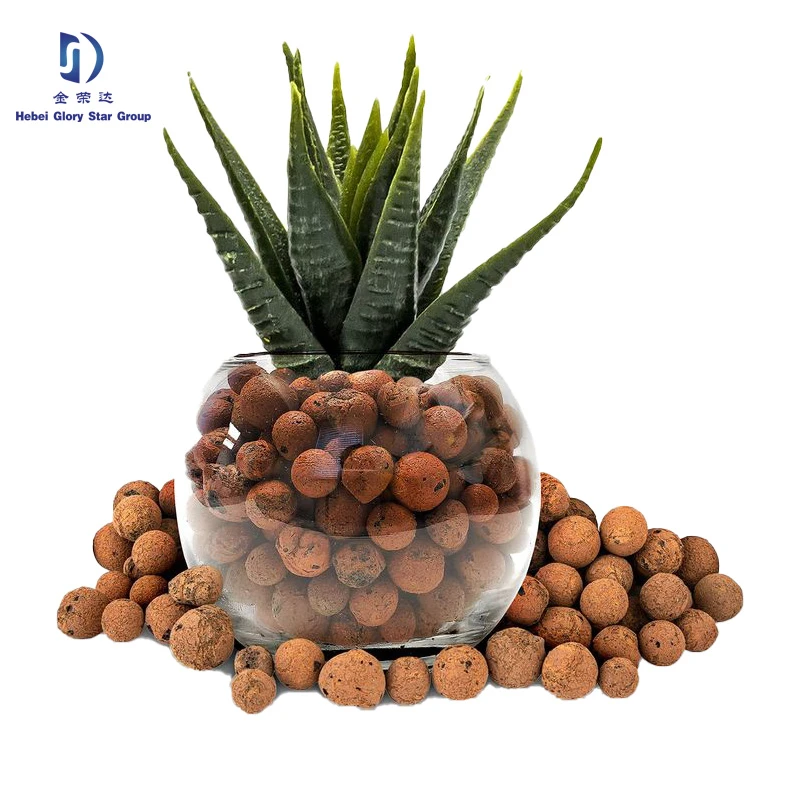
Oddly enough, when I first encountered these lightweight, porous balls of fired clay, I was skeptical—how could something so simple compete against fancy substrates or advanced aerogel-based materials? But after years of testing, I noticed clay pebbles consistently hold their structure, provide excellent drainage, and create an oxygen-rich environment around roots. That’s what many engineers and growers bank on: durability and simplicity.
Why clay pebbles? A quick breakdown
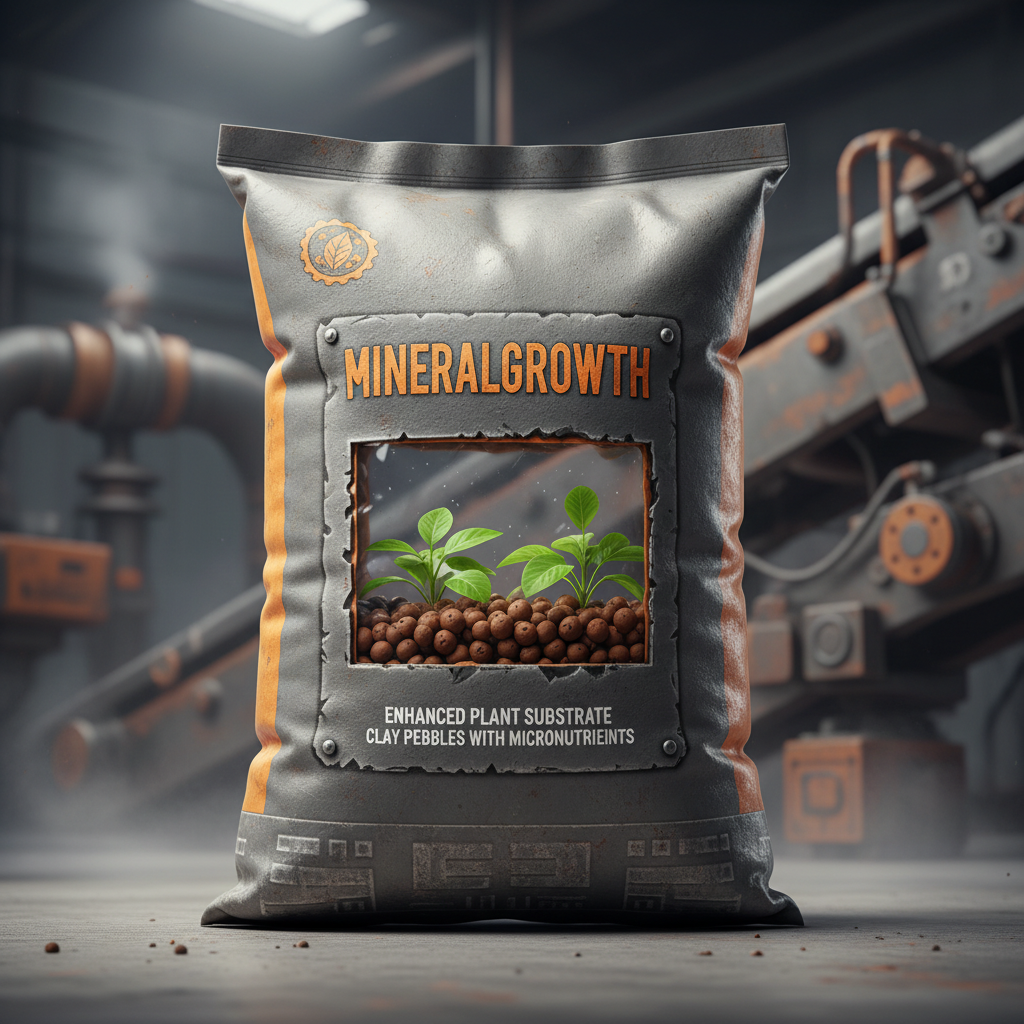
These round pellets, sometimes called expanded clay or LECA (lightweight expanded clay aggregate), are made by heating natural clay pellets at extreme temperatures — around 1200 to 1300 °C. This process drives off moisture and carbon, leaving a lightweight, inert, and highly porous final product. It’s kind of fascinating how such a traditional technique from Europe’s construction industry found a second life in indoor farming.
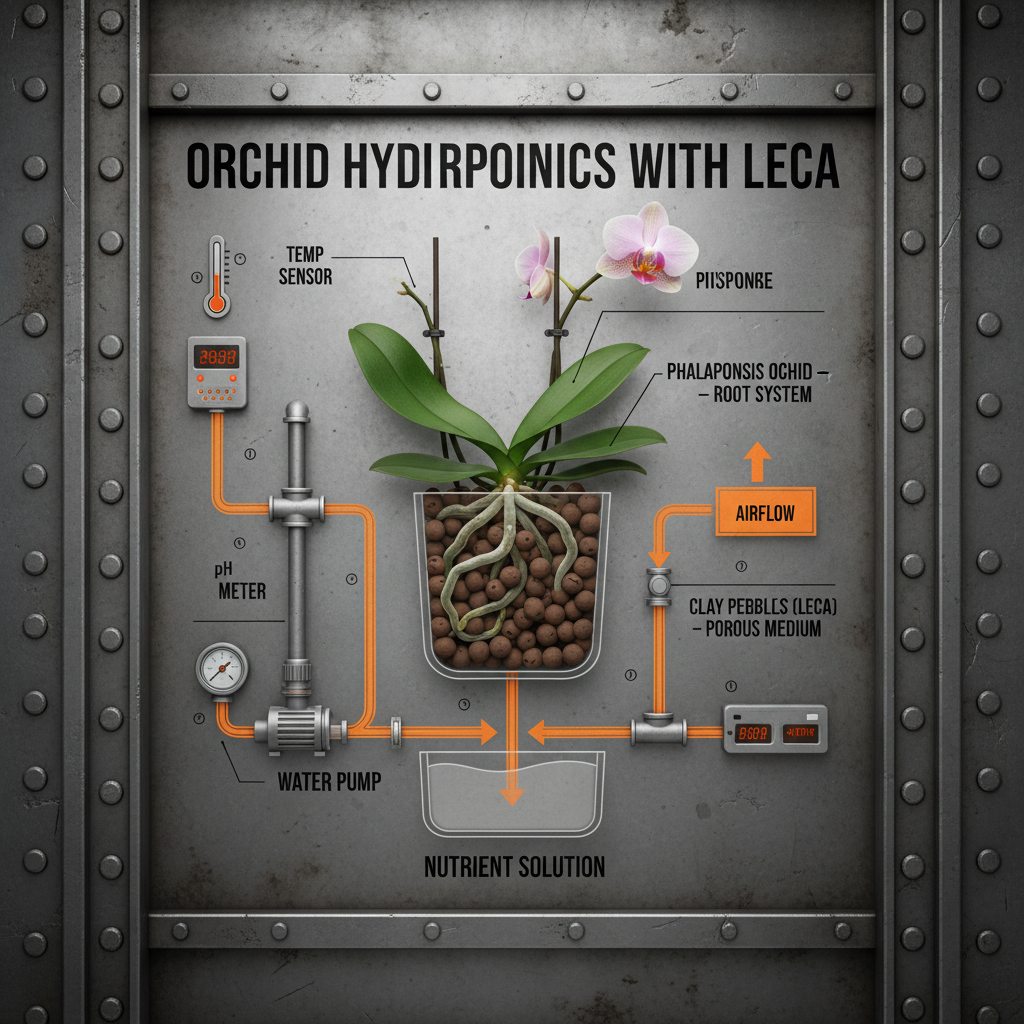
In real terms, the pebbles maintain moisture without waterlogging roots, which can be a nightmare in hydroponics or aquaponics. Plus, they’re reusable — just rinse and sterilize them after a grow cycle, and you’re good to go again, which frankly saves a lot of money and reduces waste.
A quick look at specs you’ll want to consider
| Spec | Typical Range | Notes |
|---|---|---|
| Diameter | 4–16 mm | Granule size can vary by supplier |
| Bulk density | Approx. 500–700 kg/m³ | Light yet stable substrate |
| pH | 6.5–8.5 | Slightly alkaline but inert |
| Water retention | Around 25–30% by volume | Balances well with aeration |
| Reusable/cycles | 5+ typical cycles | Depends on cleaning and handling |
Comparing Top Vendors: What to Watch For
Not every clay pebble producer is the same — I’ve worked with a few suppliers, and frankly, some are better suited depending on your needs (volume, purity, sizing tolerance). Here’s a rough comparison from my experience:
| Vendor | Quality Consistency | Pricing | Sustainability | Availability |
|---|---|---|---|---|
| Glory Star Export | High (tight specs) | Competitive | Uses natural clays; eco-friendly firing | Global shipping; good stock levels |
| Vendor B | Moderate (some size variation) | Lower | Limited info | Regional only |
| Vendor C | High but pricier | Higher | Claims eco-friendly; not verified | Wide availability |
A quick anecdote: Why this matters
I remember a grower I know who switched from rockwool to clay pebbles after struggling with root diseases caused by excess moisture. After the switch, his yields improved noticeably and the plants looked healthier overall — not just from better oxygenation but the inert, stable environment that clay pebbles create. It feels kind of satisfying when a simple change has a big positive impact.
Frankly, if you’re in the market for a growing medium that checks the box for durability, cost-effectiveness, and environmental friendliness, clay pebbles are worth serious consideration. And if you want to see a reliable supplier that balances price and quality well, clay pebbles for sale from Glory Star Export could be your best bet.
That’s the gist. Clay pebbles might seem humble, but their track record speaks for itself.
- Technical data sheets from leading clay pebble suppliers
- Industry hydroponics forums and grower anecdotal reports
- Material science studies on expanded clay aggregates (LECA)
Post time: Jan-02-2026
.png "About")