

Inside the High-Transparency Calcium Carbonate Market: What’s Really Driving Performance
If you’ve followed the calcium carbonate industry for a while, you’ll know it’s not just “chalk.” It’s CaCO3—often calcite in practice—with aragonite and vaterite playing cameo roles. The thermodynamically stable form is hexagonal β‑CaCO3, and the best industrial feedstocks still come from limestone, chalk, marble, and yes, the occasional travertine. Lately, demand for microfine, high-whiteness grades has jumped as paint, paper, and plastic producers chase lower cost per square meter without sacrificing clarity or strength. I’ve seen formulators quietly replace a slice of TiO2 with well-surfaced CaCO3 and smile at the cost sheet.
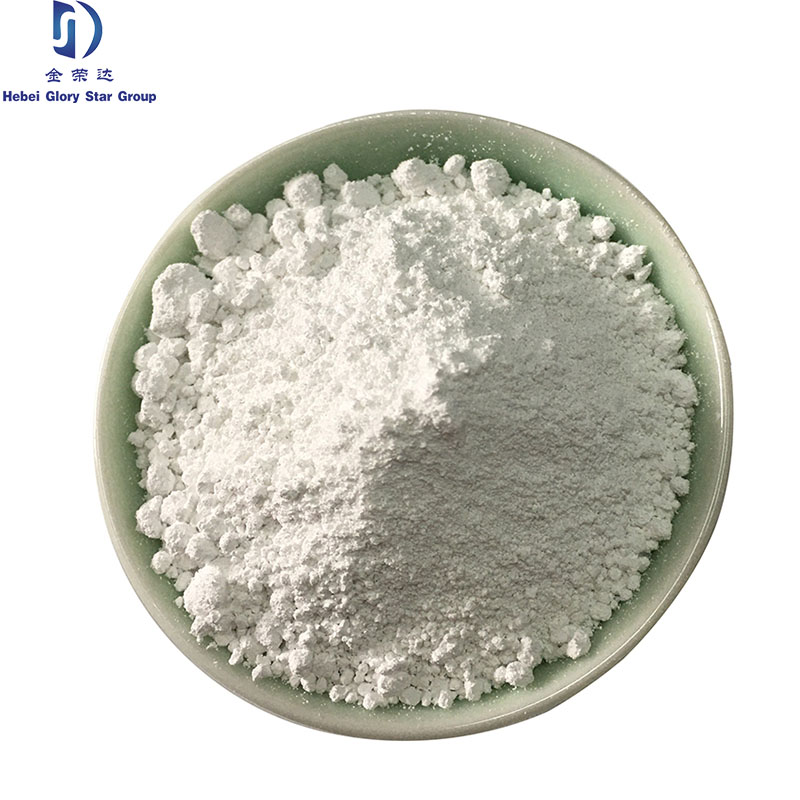
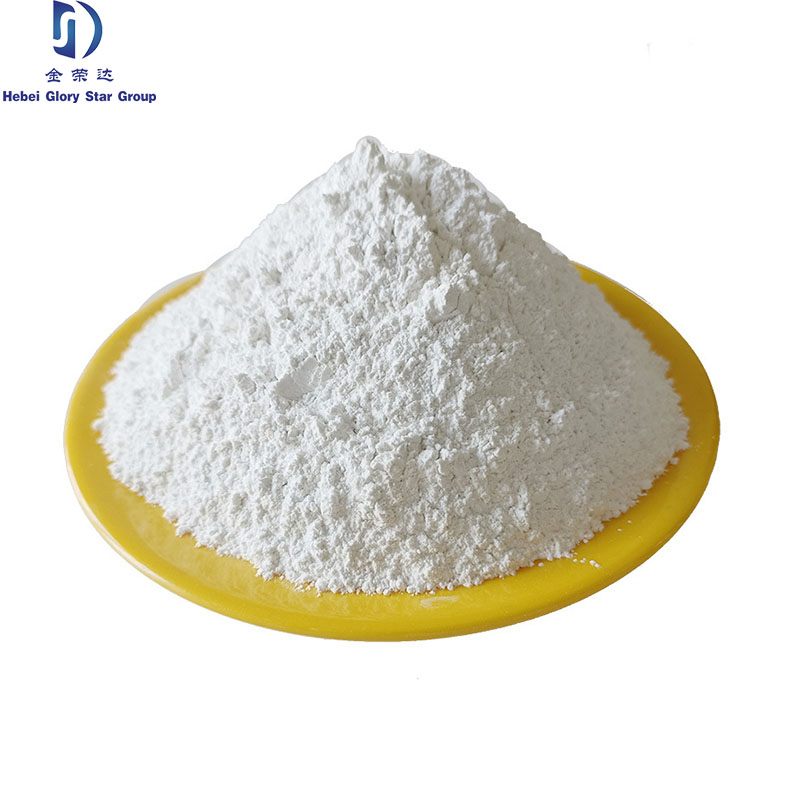
Product Snapshot: High Transparency Calcium Carbonate CaCO3
Origin: 368 Youyi North Street, Shijiazhuang, Hebei, China. This high-transparency grade is engineered for dispersion and low haze—especially in clear masterbatch, BOPP film, and topcoat paints. Many customers say it “just wets out faster,” which, to be honest, is what matters on a busy line.
| Parameter | Typical Value (≈) | Method / Standard |
|---|---|---|
| CaCO3 Purity | ≥ 98.5% | ASTM D1199; ISO 3262‑2 |
| Whiteness/Brightness | ≥ 95% (real-world may vary) | ISO 2470 / TAPPI T 452 |
| D50 Particle Size | ≈ 1.0–2.0 μm | ISO 13320 (laser diffraction) |
| Moisture | ≤ 0.2% | ISO 787‑2 |
| Oil Absorption | 18–25 g/100 g | ISO 787‑5 |
| Coating | Un/Coated (stearic) options | Supplier spec |
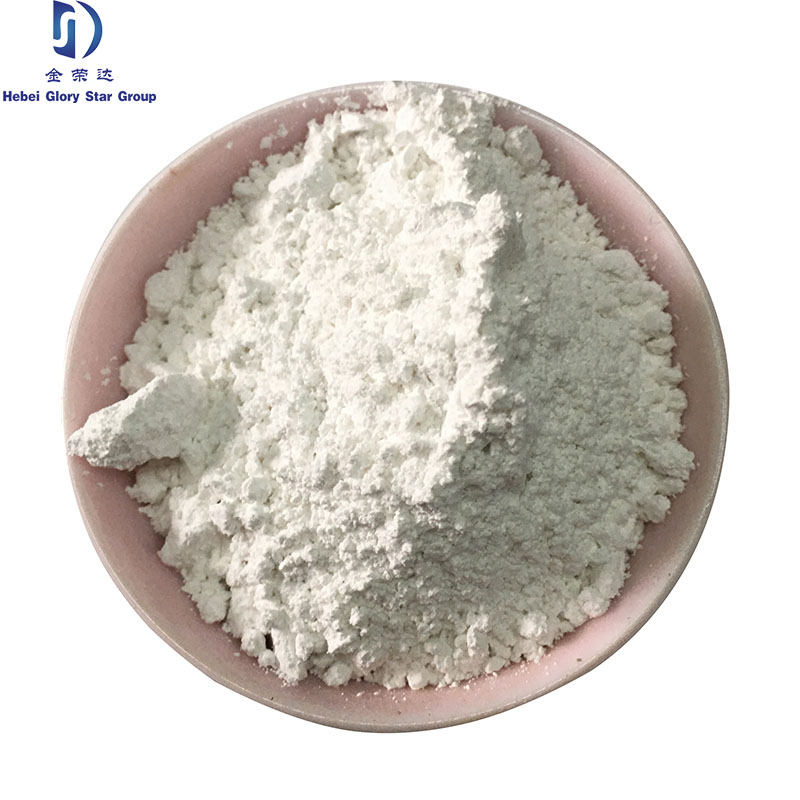
Process Flow (What Really Happens)
- Materials: limestone/chalk/marble selected for low Fe2O3 and high CaCO3.
- Methods: crushing → wet milling → classification → drying → surface treatment (optional) → sieving.
- Testing: PSD by ISO 13320; brightness ISO 2470; purity ASTM D1199; moisture ISO 787; heavy metals per RoHS/EN 71‑3.
- Service life impact: in exterior coatings 7–12 years (resin and UV exposure dependent); PVC profiles ≥ 15 years; packaging films 1–3 years (storage/UV).
- Industries: architectural paint, paper (filler/coater), plastic film and injection, cables, sealants.
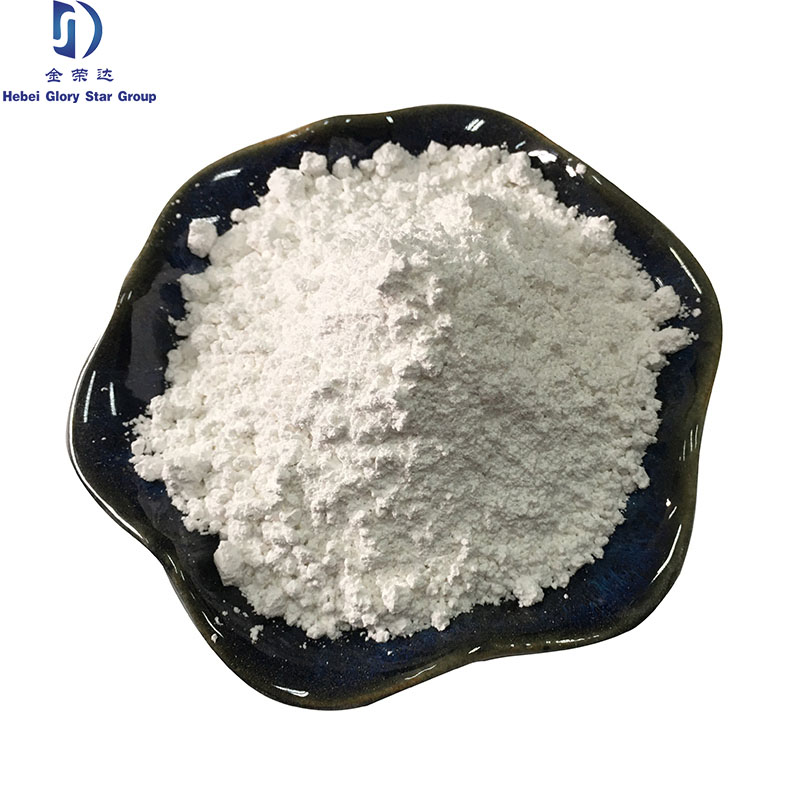
Why formulators pick it
- Cost-down via partial TiO2 replacement while keeping opacity. - Low-haze transparency in PP/PE films (ASTM D1003). - Rheology control and smooth laydown in waterborne topcoats. Actually, dispersion speed is the sleeper benefit.
Vendor Comparison (indicative)
| Vendor | Purity | D50 (μm) | Coating | Certs | Customization |
|---|---|---|---|---|---|
| Glory Star (High Transparency) | ≥98.5% | 1.0–2.0 | Un/Coated | ISO 9001, REACH | PSD, surface treatment, packaging |
| Regional Mill A | ≈97–98% | 2–3 | Uncoated | ISO 9001 | Limited |
| Commodity Trader B | ≈96–98% | 3–5 | Mixed | Varies | MOQ-based |
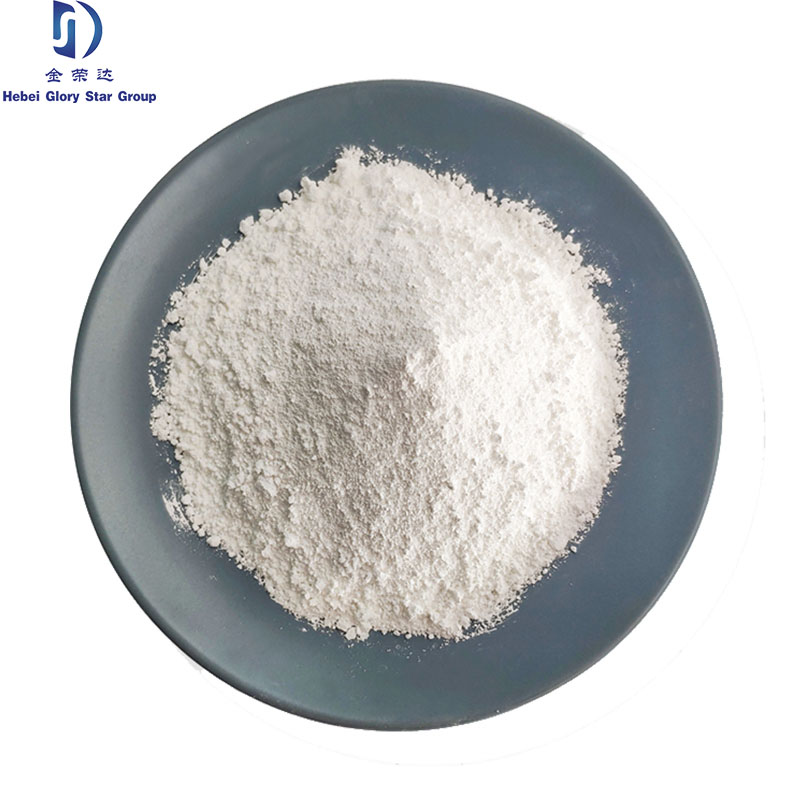
Customization and Compliance
Options include coated (stearic) vs uncoated, tailored PSD windows (say D97 ≤ 10–15 μm), slurry or powder supply, and paper/bulk packaging. Certifications often requested: ISO 9001/14001, REACH, RoHS; for food-contact variants, FDA 21 CFR 184.1191 (check grade!). Real-world use varies, so SPC data on PSD and moisture is worth asking for.
Field Notes (Case Studies)
- Paint (SEA): Replaced 12% TiO2 with coated CaCO3; opacity held within 1 KU, gloss +2 units, cost ≈9%.
- PP film: Swapped commodity filler for high-transparency grade; haze −5% (ASTM D1003), line speed +7% due to easier dispersion.
- Paper mill: Filler at 18% with stable retention; ISO brightness +1.5 pts, bulk +5%, smoother calendering.
Feedback? It seems that dispersion time is consistently shorter, and the filters stay cleaner—small wins that add up on shift three. In the calcium carbonate industry, that’s gold.
How it’s validated
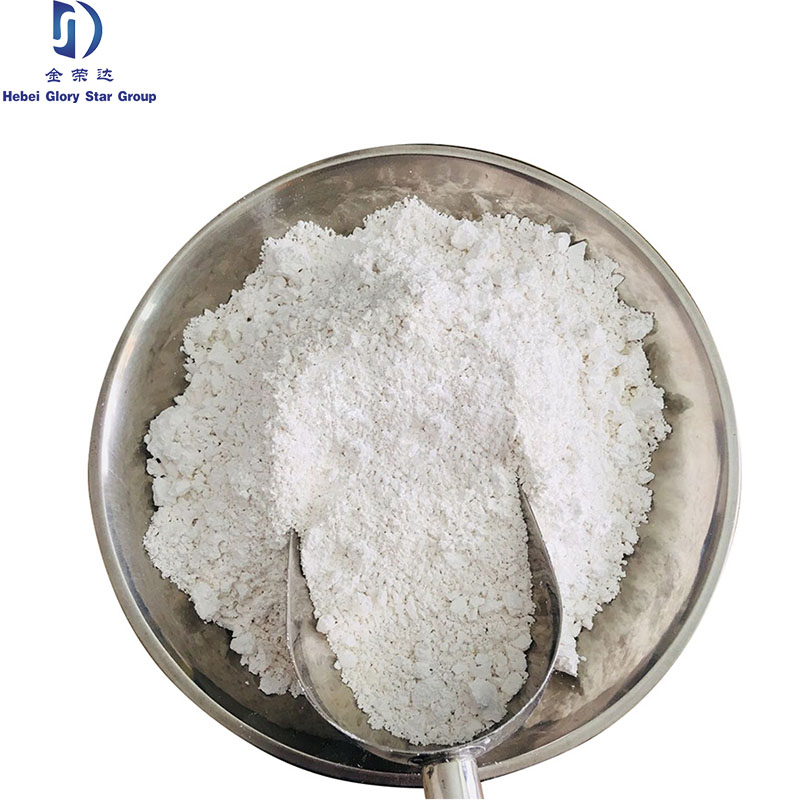
Typical QC includes ISO 13320 PSD curves, whiteness/brightness panels, LOI at 950–1000°C, and heavy-metal screening per EN 71‑3 when targeting toys. For plastics, pairing haze (ASTM D1003) with mechanicals (ASTM D638/D790) gives a truer picture of end-use behavior.
Authoritative Standards and References
- ISO 3262‑2: Extenders for paints—Specifications and methods—Part 2: Calcium carbonate.
- ASTM D1199: Standard Specification for Calcium Carbonate Pigment.
- ISO 13320: Particle size analysis—Laser diffraction methods.
- TAPPI T 452: Brightness of pulp, paper, and paperboard.
- ASTM D1003: Haze and luminous transmittance of transparent plastics.
- FDA 21 CFR 184.1191: Calcium carbonate (food-grade context; verify grade before use).
Post time: Oct-06-2025





.png "About")