

Caco3 Calcium Carbonate is a key solution in the industry, specifically within manufacturing, construction, plastics, and paper sectors. This article explores how https://www.glorystarexport.com supports professionals with durable, high-performance products, and explains why this product is an ideal choice for businesses in these sectors.
Table of Contents
- Caco3 Calcium Carbonate Overview
- Benefits & Use Cases of Caco3 Calcium Carbonate
- Cost, Maintenance & User Experience
- Sustainability & Market Trends
Caco3 Calcium Carbonate Overview
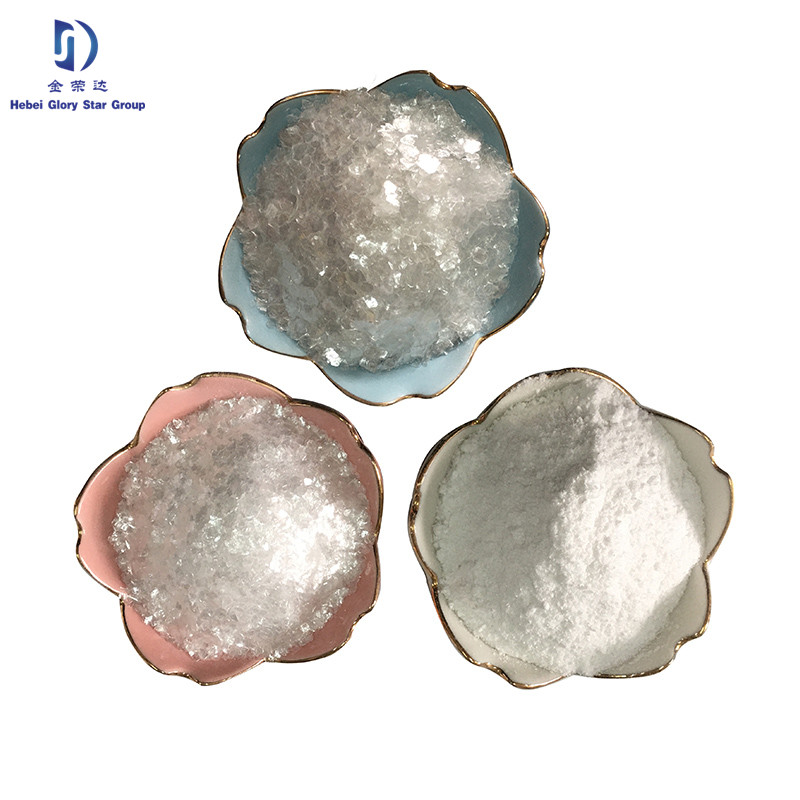
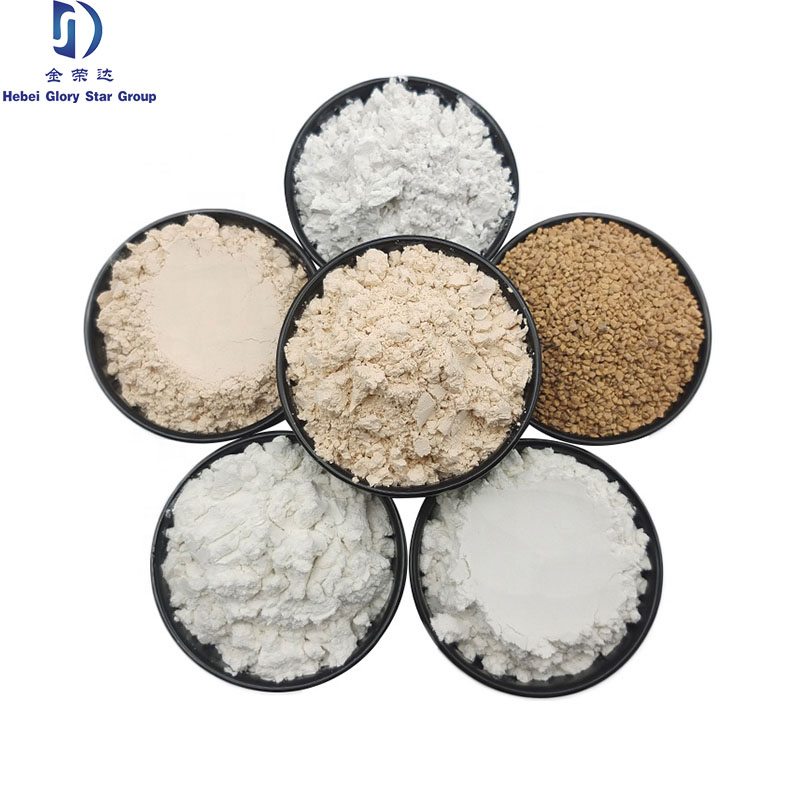
At its core, Caco3 Calcium Carbonate is a naturally occurring mineral, widely used as a raw material in multiple industries. Chemically, it’s CaCO3 – pretty straightforward but packed with applications that punch above its weight. It’s mainly sourced by grinding limestone or marble quarries and then processed into various grades – from fine powders to larger aggregates. This mineral’s physical properties, like particle size, brightness, and purity, play a huge role in how it performs downstream.
- Caco3 acts as a filler, extender, or sometimes even a pH regulator.
- Its versatility spans ceramics, plastics, paints, and paper manufacturing.
| Specification | Typical Value |
|---|---|
| Chemical Composition (CaCO3) | > 98% |
| Brightness (ISO) | 91-95% |
| Particle Size (microns) | 2-10 μm |
| Oil Absorption (g/100g) | 20-30 |
Benefits & Use Cases of Caco3 Calcium Carbonate
You know, what’s quite impressive is how broadly this mineral’s influence spreads across complicated manufacturing lines. Take plastics, for instance: Caco3 improves the rigidity and impact resistance of polymer composites while reducing costs – a double win. The construction world leans on it as a filler in cement and concrete, enhancing durability without compromising workability. What’s more, many paint manufacturers swear by its brightness and opacity – it’s kind of like a natural tinting agent that also improves coverage.
- Reduces production costs when used as a partial substitute for pricier raw materials.
- Enhances mechanical and aesthetic properties in plastics and coatings.
- Tailored particle size distribution allows customization for diverse industries.
Cost, Maintenance & User Experience
Frankly, cost is where Caco3 shines, and in B2B, that matters more than anything. It’s not just cheap upfront – this mineral’s impact on total cost of ownership is surprisingly beneficial. Since it boosts product durability, for example in plastic pipes or concrete blocks, replacements come less often. That speaks volumes about ROI. Customers from the plastics industry have noted smoother processing and improved color retention, which sometimes feels intangible but definitely plays into end-user satisfaction. Meanwhile, the paper industry values its fine particle grade, which improves paper brightness and opacity with minimal maintenance requirements.
| Vendor | Price per Ton (USD) | Purity (%) | Delivery Lead Time |
|---|---|---|---|
| Glory Star Export | $160 – $180 | ≥98% | 2-4 weeks |
| Vendor B | $170 – $195 | 95% | 3-5 weeks |
| Vendor C | $150 – $165 | 90% | 5-7 weeks |
Sustainability & Market Trends
Oddly enough, you don’t hear enough about how Caco3 Calcium Carbonate fits within the sustainability push sweeping industries today. Since it’s a natural mineral, mining and processing regulations heavily influence its appeal. Companies like Glory Star Export invest in cleaner mining practices, which helps reduce their carbon footprint. With increasing demand for eco-friendly products, the trend is toward using more natural fillers instead of synthetic alternatives. Plus, regulatory frameworks worldwide encourage reducing harmful additives, which indirectly boosts demand for inert materials like Caco3.
Frequently Asked Questions about Caco3 Calcium Carbonate
- What is Caco3 Calcium Carbonate and how does it work?
- Simply put, Caco3 Calcium Carbonate is a naturally occurring mineral composed mainly of calcium carbonate. It works by acting as a filler and extender in products, improving strength, brightness, and cost-effectiveness without chemically altering the base material.
- What are the main benefits of using Caco3 Calcium Carbonate in industrial applications?
- The key benefits include increasing product durability, improving mechanical and aesthetic properties, reducing manufacturing costs, and enhancing processing efficiency across plastics, paint, and paper industries.
- How does Caco3 Calcium Carbonate compare to traditional alternatives?
- Compared to alternatives like talc or kaolin, Caco3 generally offers better brightness, higher purity, and competitive pricing. It often improves product formulation with less environmental impact, depending on sourcing practices.
- What industries can benefit most from Caco3 Calcium Carbonate implementation?
- Industries benefiting most include plastics manufacturing, paper production, paints and coatings, rubber, cement, and even food and pharmaceuticals where regulatory grade calcium carbonate is required.
Conclusion on Caco3 Calcium Carbonate from China
The value of Caco3 Calcium Carbonate lies in its remarkable versatility and cost-efficiency across many industries. Its consistent quality, tailored particle sizes, and sustainable sourcing make it a reliable choice for businesses aiming to enhance product performance and maintain competitive pricing. For those curious or ready to source, I’d recommend visiting our website: https://www.glorystarexport.com.
References:
1. Industry Mineral Reports, 2023
2. Customer Case Studies from Plastics and Paper Sectors (Glory Star Export internal data)
3. Market Sustainability Reviews, 2024
Post time: Dec-09-2025









.png "About")