

Why Bulk Vermiculite for Gardening Matters Globally
If you’ve ever tried growing plants in less-than-ideal soil or dabbled in hydroponics, you might have stumbled upon something called vermiculite. Bulk vermiculite for gardening is, frankly, one of those unsung heroes in horticulture and agriculture worldwide. This naturally occurring mineral expands when heated, creating lightweight, porous granules that hold water, nutrients, and air like a charm.
On a global scale, the importance of bulk vermiculite rests in its ability to improve soil fertility and water retention, crucial in regions battling drought or degraded land. According to the United Nations FAO reports, soil degradation affects nearly 33% of the Earth's land surface, making innovations in soil amendment indispensable. Vermiculite’s widespread use, from commercial farms to post-disaster horticultural rehabilitation, taps directly into boosting yields and ensuring sustainable agriculture.
Mini takeaway: Bulk vermiculite isn’t just filler — it’s a smart, scalable tool that’s quietly shaping food security and green practices worldwide.
The Global Context: How Bulk Vermiculite for Gardening Tackles Urgent Challenges
Digging a bit deeper, vermiculite’s surge in demand syncs perfectly with rising global concerns: climate change, soil erosion, and urban farming—each pushing growers to seek soil enhancers that are both eco-friendly and cost-effective. The World Bank estimates that by 2050, urban populations will reach 6.7 billion, amplifying demands for innovative urban and peri-urban agriculture. Vermiculite, sold in bulk especially by suppliers catering to these growing markets, addresses the core challenge of maintaining healthy, resilient soils in tight spaces.
However, the challenge lies in getting reliable, high-quality bulk vermiculite at scale and price points accessible across diverse economies. Variations in mineral quality, supply chain bottlenecks, and environmental concerns about mining have made sourcing a bit complex.
Mini takeaway: Bulk vermiculite supply meets a critical intersection of environment, economy, and urban growth — but not without notable sourcing challenges.
What Exactly Is Bulk Vermiculite for Gardening?
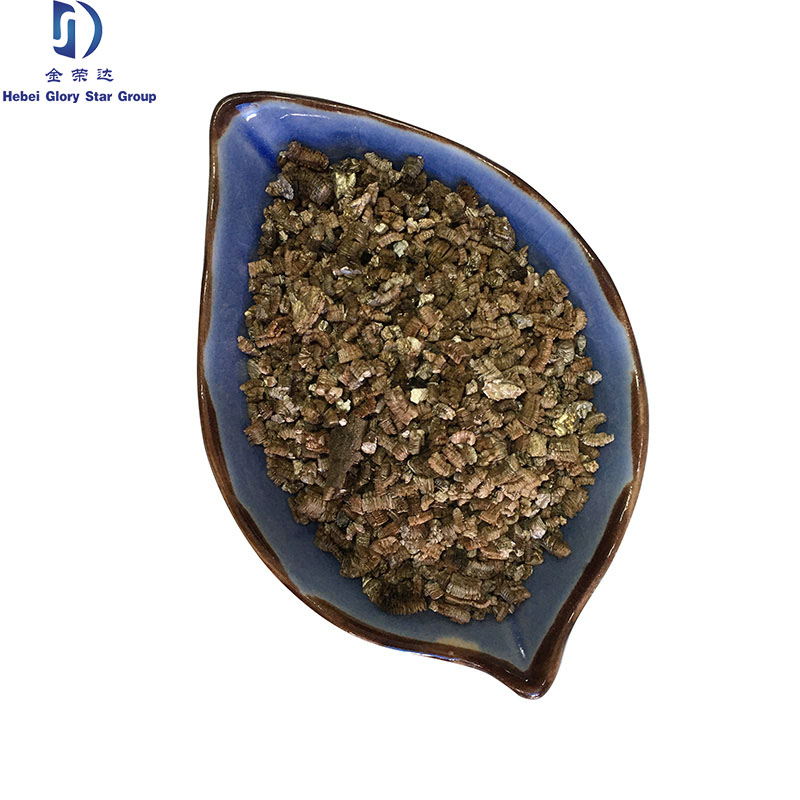
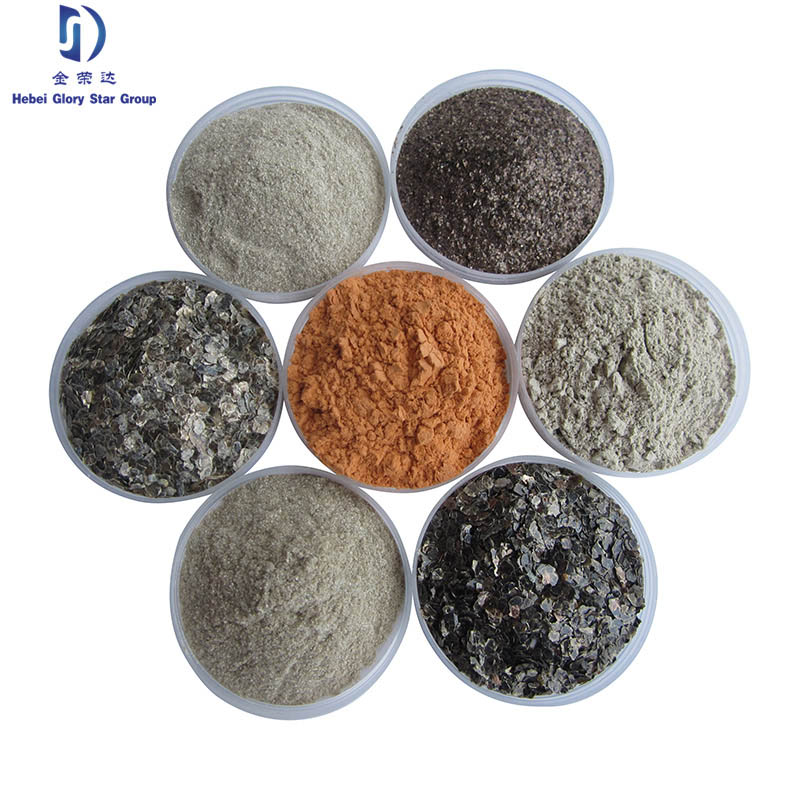
Simply put, vermiculite is a mica-like mineral, expanded through heating to form lightweight, absorbent particles. When we say bulk vermiculite for gardening, we mean large quantities, often measured in cubic feet or tons, intended primarily for agricultural and horticultural applications rather than small retail bags.
These particles provide excellent moisture retention, aeration, and nutrient exchange—attributes critical for root growth and plant health. Think of it as nature’s little sponge and air mattress combo, ensuring roots aren’t drowning yet aren’t starved for air either.
Its industrial and humanitarian ties are quite interesting: vermiculite has seen use in constructing lightweight insulation panels, seed starting mixes in reforestation projects, and soil remediation efforts, especially where sustainable growth is a priority.
Mini takeaway: Bulk vermiculite is the multipurpose mineral that gardeners, farmers, and even engineers love for its unique soil-enhancing powers.
Key Factors Affecting Bulk Vermiculite’s Use in Gardening
1. Water Retention and Moisture Control
What sets vermiculite apart is its uncanny ability to absorb water—up to three or four times its weight—and gradually release it to plant roots. Oddly enough, where many soil amendments fail to balance moisture, bulk vermiculite provides this buffering effect.
2. Soil Aeration
Roots need oxygen, not just water and nutrients, and vermiculite helps keep soil porous. This stops compaction issues that suffocate roots and stunt plant growth, which is crucial both in greenhouses and in drought-prone fields.
3. Nutrient Exchange
Vermiculite’s chemical structure with a layered surface allows it to hold onto essential nutrients like potassium, calcium, and magnesium, releasing them slowly over time to plants.
4. Bulk Supply and Cost Efficiency
Buying vermiculite in bulk is almost always more economical. Farms, landscaping companies, and disaster relief agencies benefit from affordable, consistent supply — crucial when working with large-scale gardening or reforestation.
5. Environmental Impact and Sustainability
Because vermiculite is mined naturally and reusable in soil cycles, it ranks comparatively well on environmental footprint metrics — especially when responsibly sourced.
Mini takeaway: Water, air, nutrients, cost — bulk vermiculite balances all these, making it an essential soil amendment for gardeners and growers.
Real-World Applications of Bulk Vermiculite for Gardening
Bulk vermiculite finds its way into many corners of the globe in surprising ways:
- Sub-Saharan Africa: Nonprofits use it to rehabilitate degraded soils in drought-hit zones, enabling food production and food security projects.
- Urban Farming in North America and Europe: Vertical farms and community gardens use bulk vermiculite to optimize soil-less growth media.
- Post-Disaster Relief: Organizations incorporate it into quick-start seed mixes to restore greenery and stabilize land after floods or wildfires.
- Commercial Nurseries in Asia: Bulk vermiculite improves potting mixes, increasing crop yields while lowering water use.
An example: After the 2019 floods in Nepal, bulk vermiculite was supplied en masse to support horticulture restart initiatives, helping local farmers restore their livelihoods.
Mini takeaway: Whether urban or rural, fertile or fire-damaged, bulk vermiculite helps bring life back to soils worldwide.
Advantages and Long-Term Benefits of Bulk Vermiculite for Gardening
The benefits are numerous — but here are a few that especially stand out:
- Cost-effectiveness: Long-lasting moisture control reduces watering needs, saving money and effort.
- Improved sustainability: Supports reduced dependency on chemical fertilizers by enhancing natural soil functions.
- Enhanced crop quality: Plants grow steadier, healthier, and more resistant to stress.
- Supports dignity & resilience: For communities relying on subsistence farming, vermiculite helps stabilize food supplies, especially in unstable climates.
- Environmental trust: Compared to synthetic soil amendments, vermiculite maintains a lower ecological footprint.
Mini takeaway: Bulk vermiculite brings lasting economic, environmental, and social gains — a real win-win lawn and garden solution.
Future Outlook: Trends and Innovations in Bulk Vermiculite for Gardening
Innovation doesn’t stop at the mine face. Increasingly, suppliers and growers are pairing bulk vermiculite with biochar, compost blends, and even smart irrigation technologies for optimized growth cycles. In the sustainable farming community, vermiculite serves as a platform for integrated nutrient delivery and water conservation models.
Vendors are also exploring eco-friendly mining techniques, reducing carbon footprints, and packaging vermiculite in biodegradable bags to match sustainability goals. Digital tracking for batch quality and traceability is taking hold, especially in international supply chains, to ensure transparency.
Mini takeaway: The future of bulk vermiculite gardening lies at the crossroads of smart farming, eco-conscious sourcing, and tech-integrated supply chains.
Challenges in Bulk Vermiculite Supply and How They’re Being Tackled
There’s no such thing as a perfect product, and vermiculite has some hurdles:
- Quality inconsistency: Not all mined vermiculite is equally expanded; impurities can affect performance.
- Environmental concerns: Mining activities can disturb ecosystems if not well managed.
- Logistics: Bulk shipments require robust supply chains to avoid delays or damage, especially to remote farms.
Experts suggest tighter mining regulations, third-party quality certifications, and improved processing technology as critical solutions. Some companies now use satellite monitoring to oversee quarry activities and optimize transport routes.
Mini takeaway: Quality and sustainability challenges exist but are increasingly met with technology-driven, responsible business practices.
Bulk Vermiculite for Gardening: Product Specifications
| Specification | Details |
|---|---|
| Granule Size | 1-6 mm (varies by grade) |
| Bulk Density | 80-130 kg/m³ |
| Water Absorption Capacity | 3-4 times weight |
| pH Level | Neutral to slightly alkaline (6.5 - 8.5) |
| Fire Resistance | Non-flammable (after expansion) |
| Packaging | Bulk bags, 1-10 tons; loose bulk for logistics |
Comparing Top Bulk Vermiculite Vendors
| Vendor | Quality Control | Price per Ton (USD) | Sustainability Certifications | Global Reach |
|---|---|---|---|---|
| Glory Star Export | ISO 9001, batch testing | $250 - $280 | ISO 14001, Eco-Friendly Mining | Asia, Africa, Europe, Americas |
| EcoGrow Minerals | In-house QA/QC | $230 - $270 | Sustainable Mining Alliance | North America, Europe |
| Mineral Harvest Ltd. | Third-party certified | $260 - $300 | No certifications currently | Asia and Africa |
FAQ: Popular Questions About Bulk Vermiculite for Gardening
1. How do I choose the right grade of bulk vermiculite for my garden?
It depends on your application. Fine grades work well for seed starting and potting mixes, while coarse grades suit soil aeration and landscaping. If you’re considering purchasing bulk vermiculite for gardening, ask suppliers about particle size distribution and intended use.
2. Is vermiculite safe for edible plants?
Yes, vermiculite is generally safe and widely used in growing vegetables, fruits, and herbs. Always ensure the vermiculite is uncontaminated and sourced from reliable vendors to avoid asbestos contamination risks reported decades ago.
3. Can bulk vermiculite help in water-scarce regions?
Absolutely. Vermiculite’s ability to retain several times its weight in water means plants experience less drought stress, saving irrigation water and stabilizing yield in arid or drought-prone areas.
4. How is vermiculite mined and processed?
Vermiculite is mined from open pits or quarries. After extraction, the raw mineral is heated rapidly (exfoliation), causing it to expand into light, fluffy particles suitable for gardening. Good processing ensures purity and consistent quality.
5. Can bulk vermiculite be mixed with compost?
Yes. Mixing vermiculite with compost improves nutrient retention and moisture balance in soil mixes. This combination is popular in organic gardening and greenhouse operations.
Conclusion: Why Bulk Vermiculite Remains A Must-Have For Sustainable Gardening
As we’ve seen, the value of bulk vermiculite for gardening stretches beyond simple soil amendment — it’s about resilience, sustainability, and innovation in agriculture. The mineral helps growers tackle water scarcity, enrich nutrient-poor soils, and deliver better yields globally. If you’re exploring how to enhance your gardening or farming setup, especially on a larger scale, sourcing quality bulk vermiculite for gardening is a smart and forward-thinking choice.
Ready to boost your soil health? Visit Glory Star Export for reliable bulk vermiculite shipping worldwide. Their quality controls, sustainable sourcing, and global reach are a solid foundation to your gardening success.
Let’s keep growing smarter and greener — one handful of vermiculite at a time.
References
Post time: Dec-01-2025
.png "About")