

Adding Vermiculite to Clay Soil: A Simple Solution to Complex Soil Challenges
Globally speaking, soil quality is a silent driver behind food security, environmental health, and sustainable development. Clay soils, while fertile, often present problems — compaction, poor drainage, and difficulty supporting healthy plant roots. Adding vermiculite to clay soil emerges as a straightforward yet powerful technique to mitigate these issues. Beyond gardening, this practice resonates across agriculture, landscaping, and even construction worldwide. Understanding how vermiculite changes clay soil porosity and moisture retention is fundamental for farmers, gardeners, and environmental engineers alike.
Introduction: Why Adding Vermiculite to Clay Soil Matters Globally
Globally, around 30% of the earth’s land surface features clay-dominant soils, according to the Food and Agriculture Organization. These soils tend to hold water excessively, becoming compacted and oxygen-starved, severely limiting plant growth. Given the growing food demands and increasing climate stress, improving clay soil through amendments like vermiculite is critical.
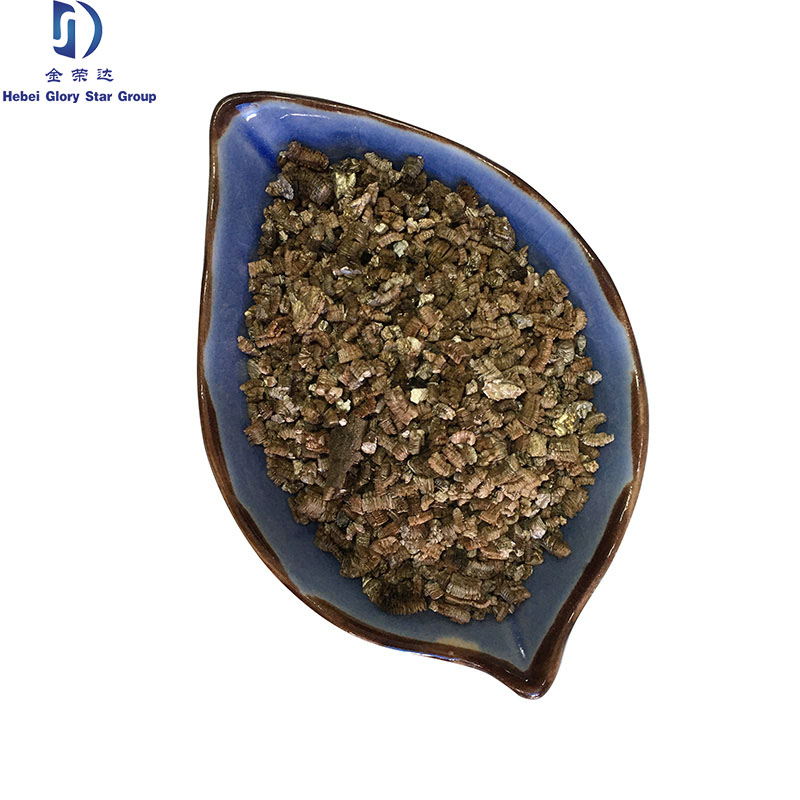
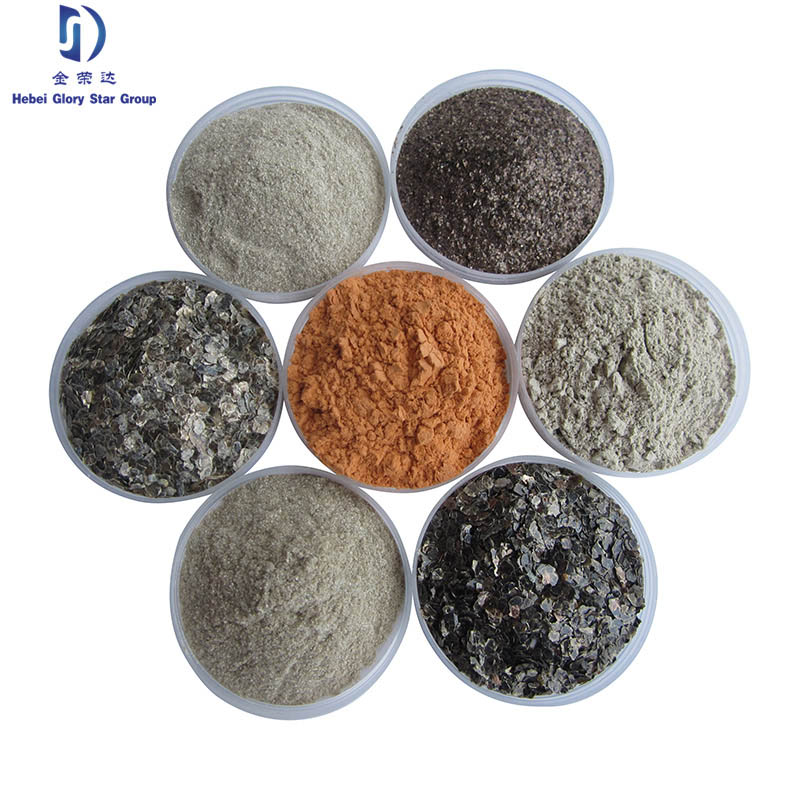
Interestingly, vermiculite—a natural mineral formed by the weathering of mica—is prized for its ability to expand substantially when heated, creating lightweight, porous granules. Globally, using vermiculite in soil treatment enhances water retention and aeration, crucial in drought-prone areas such as parts of sub-Saharan Africa and arid regions of Australia. UN-backed agricultural initiatives have emphasized soil amendment techniques including vermiculite to combat soil degradation and boost crop yields sustainably.
What Does Adding Vermiculite to Clay Soil Mean?
Simply put, adding vermiculite to clay soil involves mixing vermiculite granules into the dense clay to improve its physical structure. This process breaks up the heavy compactness and permits better root penetration and water movement. It’s a natural, low-tech solution that aligns well with both traditional farming and modern permaculture practices.
Vermiculite’s connection to industries is also notable; in horticulture, it’s a common soil additive, and in construction, its insulation properties provide dual benefits. Humanitarian efforts targeting food security frequently promote vermiculite as a soil amendment to enhance community gardens and urban agriculture projects.
Key Factors When Adding Vermiculite to Clay Soil
1. Water Retention
Clay soils tend to hold too much water near the surface but dry out quickly at root depth. Vermiculite absorbs excess moisture and releases it slowly, helping maintain balance.
2. Aeration and Drainage
Vermiculite’s porous texture aerates the soil—improving oxygen availability for roots. It prevents waterlogging, a bane to many clay-filled fields.
3. Nutrient Holding Capacity
Vermiculite carries positive charges that attract and hold nutrients, making them accessible longer to plants. This reduces the need for frequent fertilization.
4. Lightweight and Easy to Handle
Since vermiculite expands when heated, it is lightweight yet bulky—easy for farmers and gardeners to mix without heavy machinery.
5. pH Neutrality
It typically has a neutral pH, so it won’t drastically alter soil acidity—helping maintain balanced growing conditions.
Global Applications & Use Cases
- Agriculture: In India and parts of Africa, vermiculite-amended clay soils boost vegetable yields by enhancing soil texture.
- Urban Gardening: City gardeners in Europe use vermiculite to improve dense garden plots common in urban clay soils, creating thriving green spaces.
- Post-disaster Relief: Organizations involved in rebuilding agricultural capacity after floods have introduced vermiculite to restore infertile clay soils.
- Horticulture Industry: Nurseries globally mix vermiculite into potting soils to improve water supply and aeration for seedlings.
These applications illustrate vermiculite’s versatility and make it a vital amendment worldwide.
Advantages & Long-Term Value of Adding Vermiculite to Clay Soil
First off, the cost efficiency is notable. Vermiculite is relatively affordable and widely available. Moreover, it’s sustainable—mined and processed with comparatively low environmental impact.
Using vermiculite enhances soil health over time by preventing soil compaction and erosion while improving moisture control. This means less water needed and healthier plants, which translates into food security and financial stability for farmers.
Psychologically, there’s also a sense of trust and dignity when communities can rely on improving their soil naturally. It’s not just science—it’s innovation rooted in respect for the land.
Product Specification Table: Typical Vermiculite for Soil Amendment
| Specification | Metric | Value |
|---|---|---|
| Bulk Density (Loose) | g/cm³ | 0.09 - 0.12 |
| Expansion Ratio | Volume increase | 8-14 times original volume |
| pH Value | - | 6.5 - 7.2 (neutral) |
| Water Absorption | % | 3-5 times its own weight |
| Particle Size | mm | 0.5 - 5 |
Vendor Comparison Table: Leading Vermiculite Suppliers
| Vendor | Grade Quality | Bulk Price (USD/ton) | Sustainability Certifications | Global Shipping |
|---|---|---|---|---|
| Glory Star Export | Horticultural Grade | $300 | ISO 14001 | Yes |
| Vermiculite Ltd. | Industrial and Agriculture | $280 | None | Selective |
| Mineral Greens Co. | Premium Quality | $330 | ISO 9001 | Yes |
Future Trends & Innovations in Adding Vermiculite to Clay Soil
Looking ahead, the integration of vermiculite with smart soil monitoring tools is promising. Sensors can now track moisture levels in amended soils, allowing dynamic irrigation management. Additionally, blending vermiculite with biochar and organic matter is forming a new generation of soil amendments designed for carbon sequestration and resilience against climate extremes.
Some startups are exploring automated mixing and soil conditioning machinery, combining vermiculite amendments with digital farming platforms. Frankly, it’s exciting to see old materials like vermiculite finding new life in a tech-boosted sustainable agriculture future.
Challenges & Solutions When Using Vermiculite in Clay Soil
Of course, vermiculite use is not without challenges. Its bulkiness can increase transportation costs, and availability may be limited in some regions. Also, over-application can lead to overly loose soils that struggle to anchor plants firmly.
Experts recommend testing soil composition before applying vermiculite and mixing it at around 10-20% by volume for optimal results. Collaborating with local agricultural extension services or soil scientists can tailor amendments precisely. Logistics can be improved by sourcing from reliable vendors with global distribution networks, such as Glory Star Export.
Frequently Asked Questions About Adding Vermiculite to Clay Soil
- How much vermiculite should I add to my clay soil?
- Experts usually suggest mixing vermiculite at 10-20% volume into clay soil. This ratio improves aeration and moisture retention without making the soil too loose.
- Is vermiculite safe for edible plants and vegetables?
- Yes, horticultural-grade vermiculite is safe and commonly used for growing vegetables. Just ensure you avoid industrial-grade vermiculite, which may contain contaminants.
- Can vermiculite help during drought conditions?
- Absolutely. Vermiculite’s water retention capabilities help hold moisture longer in clay soils, benefiting plants during dry spells.
- How quickly will vermiculite improve my soil?
- Benefits like improved drainage and aeration are noticeable immediately after mixing. Long-term soil fertility improves as the micro-environment stabilizes over several growing seasons.
- Where can I buy high-quality vermiculite?
- Reliable suppliers like Glory Star Export provide certified horticultural-grade vermiculite with international shipping options.
Conclusion
In sum, adding vermiculite to clay soil is a simple, sustainable, and effective way to transform challenging soil into fertile ground. It enhances water management, nutrient retention, and root health — all vital for food production and healthy ecosystems worldwide.
If you want to start improving your clay soil or scale up this technique for agricultural or landscaping projects, I highly recommend Glory Star Export as a trusted source for quality vermiculite. Sustainable soil health is one of those small changes with big impacts—so why wait?
Sometimes the best solutions come from nature itself, just waiting to be understood and used.
Quick Takeaway: Adding vermiculite to clay soil is a cost-effective, eco-friendly amendment that improves soil structure and plant health—perfect for gardeners and farmers facing stubborn, compacted soils.
Post time: Dec-02-2025




.png "About")