

消息
-
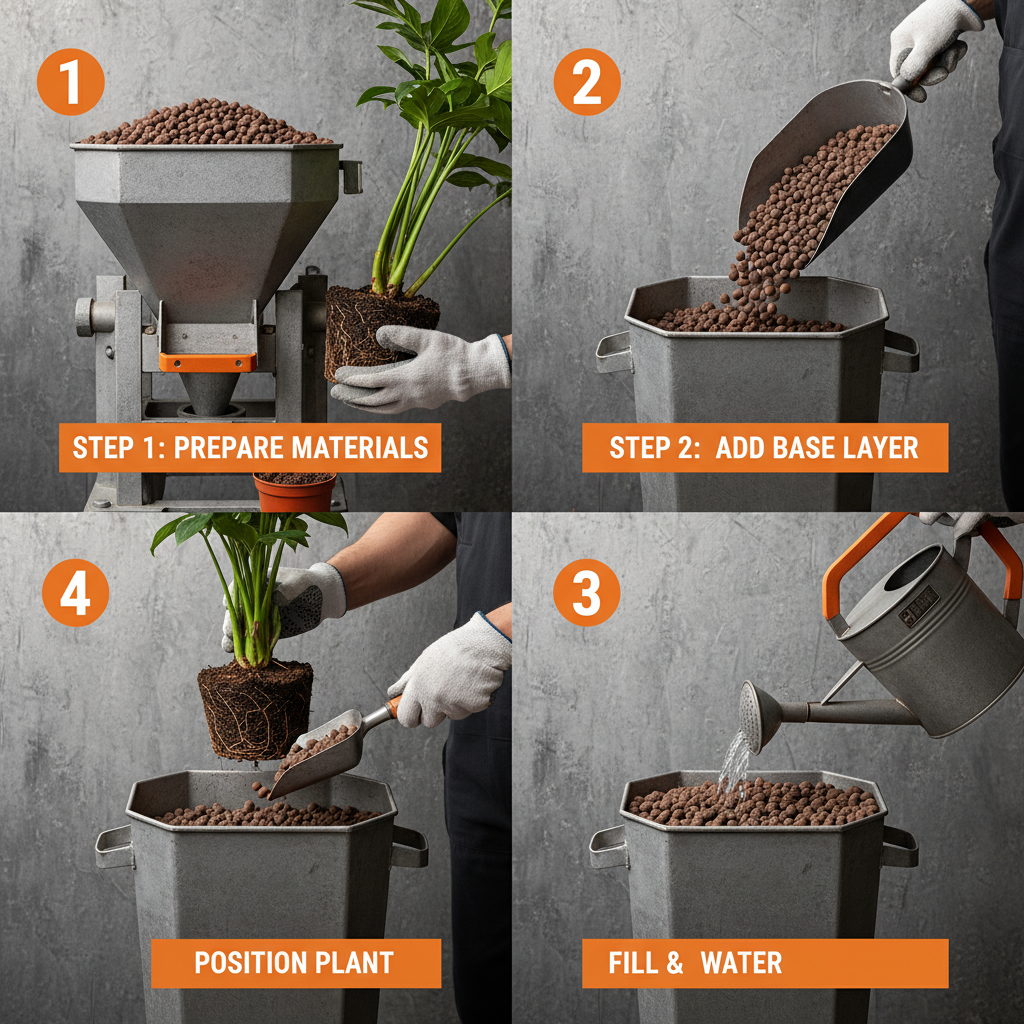 Clay pebbles, also known as LECA (Lightweight Expanded Clay Aggregate), are a popular growing medium for hydroponics and container gardening. They offer excellent aeration and drainage, making them ideal for a variety of plants. This guide will explore the benefits of planting with clay pebbles, how to use them effectively, the best plants for this method, and tips for success. Whether you’re a seasoned gardener or just starting, understanding clay pebbles can significantly enhance your growing experience. Choosing the right growing medium is crucial for healthy plant development, and clay pebbles offer a sustainable and efficient solution. Clay pebbles provide several advantages over traditional soil-based growing methods. Their porous structure allows for excellent airflow to the roots, preventing root rot and promoting healthy growth. The lightweight nature of LECA makes it easier to handle and reduces the overall weight of your containers.阅读更多
 -
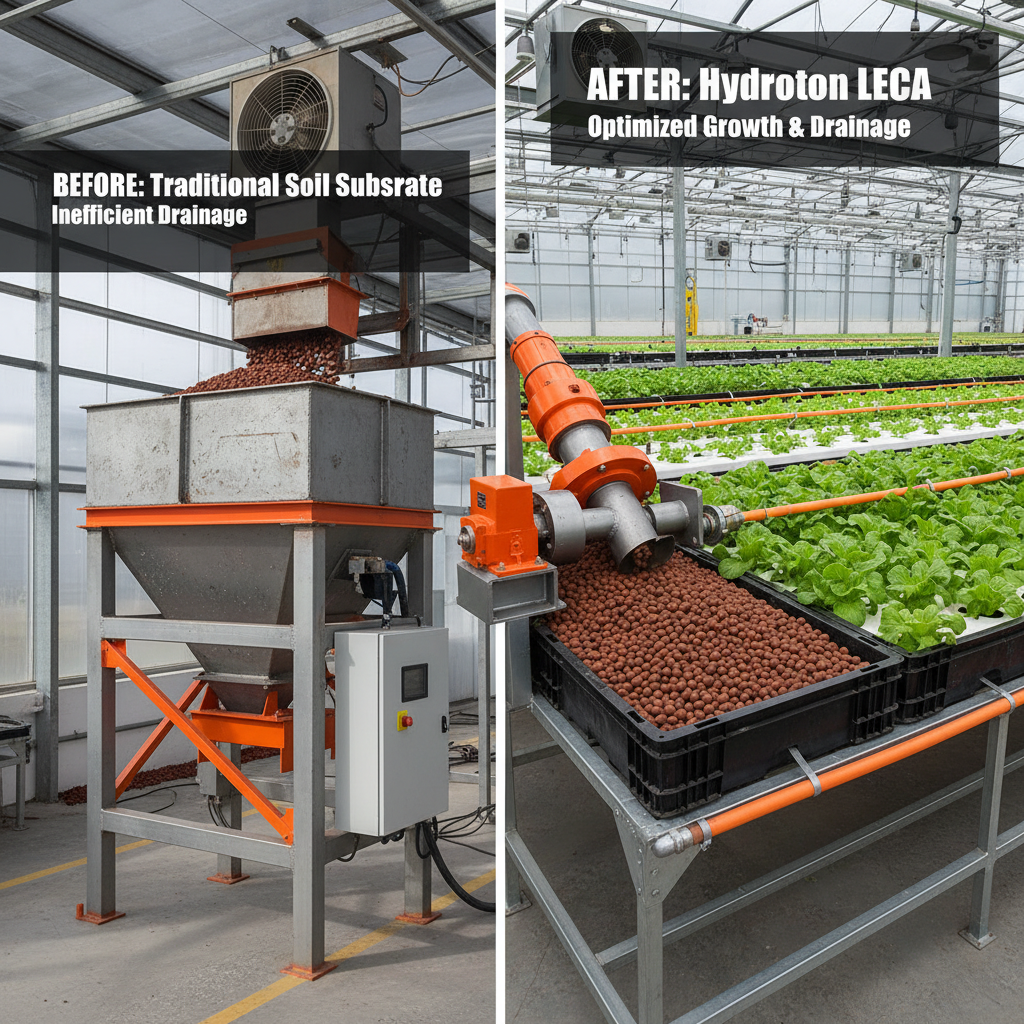 Are you looking for a superior growing medium that promotes healthy root development, excellent drainage, and consistent plant growth? Look no further than Hydroton LECA clay pebbles. Also known as expanded clay aggregate (ECA), these lightweight, porous pebbles are revolutionizing the way plants are grown, both indoors and outdoors. This article will explore the benefits of using hydroton leca clay pebbles, their various applications, and why they’re a preferred choice for discerning gardeners and commercial growers alike. Hydroton, short for Hydroponic Tone, is a brand name for high-quality LECA clay pebbles. LECA stands for Lightweight Expanded Clay Aggregate. These pebbles are made from natural clay that is heated to extremely high temperatures, causing it to expand and create a porous structure. This unique structure provides exceptional aeration and drainage, crucial for healthy root growth. The resulting product is inert, pH neutral, and doesn’t decompose, making it a reusable and sustainable growing medium.阅读更多
 -
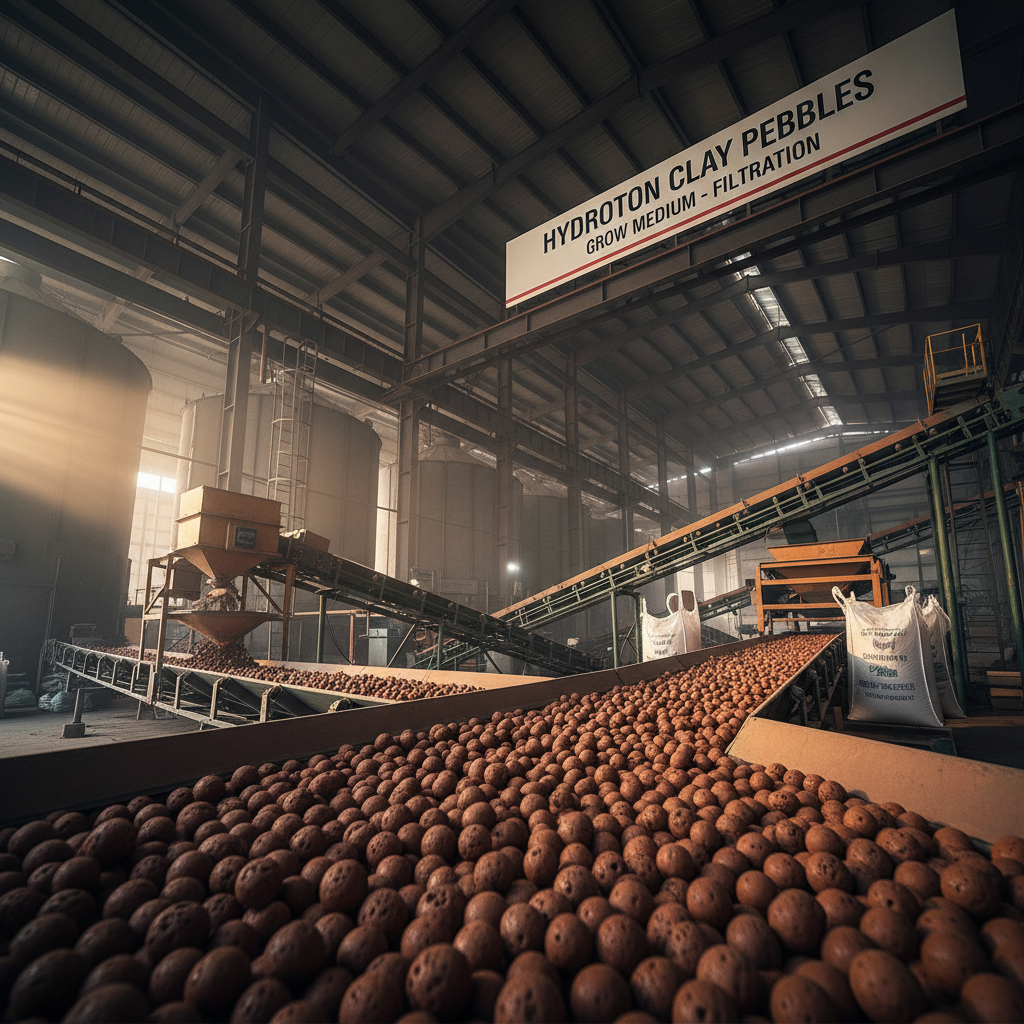 Hydroton clay pebbles, also known as LECA (Lightweight Expanded Clay Aggregate), are a popular soilless growing medium favored by hydroponic enthusiasts and gardeners alike. Their excellent drainage, aeration, and reusability make them ideal for a wide range of plants. This article will guide you through everything you need to know about hydroton clay pebbles, from preparation and use to troubleshooting common issues. Understanding the nuances of using these pebbles can drastically improve your plant’s health and yield. New hydroton clay pebbles are covered in dust from the manufacturing process. This dust isn’t harmful to plants but can clog your system and affect pH levels. Therefore, thorough rinsing is crucial. Place the pebbles in a bucket or colander and rinse them with water until the water runs clear. This may take several minutes. You can also soak them in pH-balanced water (around pH 5.5-6.5) for 24 hours to help stabilize the pH before use.阅读更多
 -
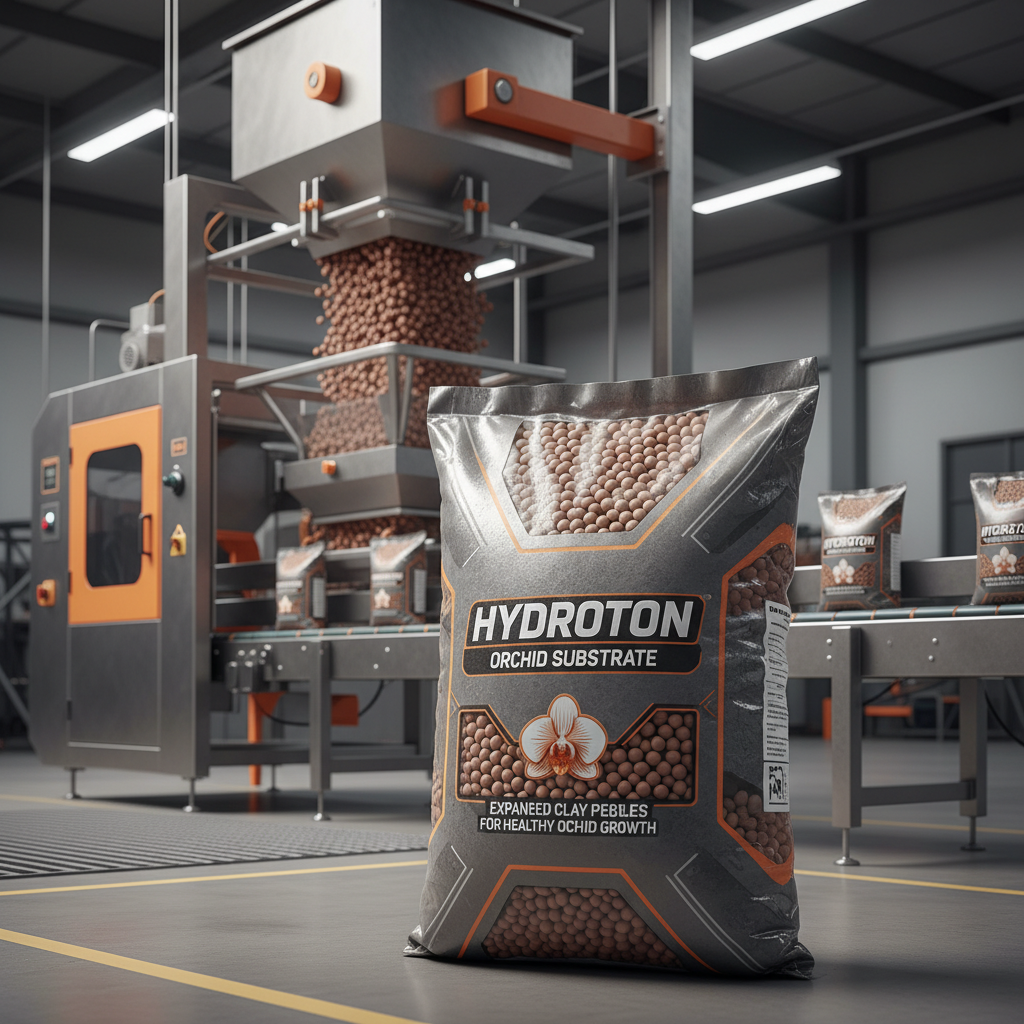 Growing orchids can be incredibly rewarding, and the substrate you choose plays a crucial role in their health and vitality. Hydroton clay pebbles are a popular and effective choice for orchid cultivation, offering excellent aeration and drainage. This article will delve into the benefits of using hydroton, how to prepare it, and best practices for growing healthy, thriving orchids. Discover why more and more orchid enthusiasts are turning to this inert growing medium for superior results. Hydroton, also known as LECA (Lightweight Expanded Clay Aggregate), is manufactured by heating clay to extremely high temperatures. This process creates a porous, lightweight pebble that’s completely inert – meaning it doesn't decompose, provide nutrients, or affect the pH of your growing environment. This inertness is a key benefit for orchid growers, allowing for precise control over nutrient delivery. The pebble’s structure provides excellent air circulation around the roots, preventing root rot, a common issue with orchids.阅读更多
 -
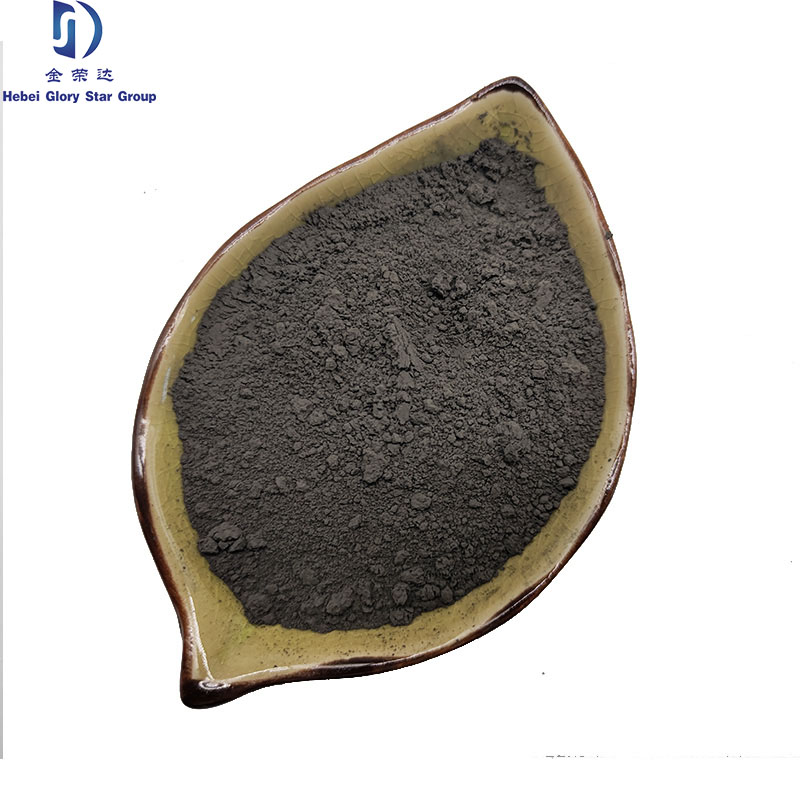 Discover high-purity natural flake graphite powder for battery electrodes and refractory materials. Advanced thermal/electrical conductivity ensures Hebei Junlan quality assurance. Explore now: https://www.glorystarexport.com/graphite-powder.html阅读更多
 -
Discover high-purity natural flake graphite powder for battery electrodes and refractory materials. Advanced thermal/electrical conductivity ensures Hebei Junlan quality assurance. Explore now: https://www.glorystarexport.com/graphite-powder.html阅读更多
-
Discover high-purity natural flake graphite powder for battery electrodes and refractory materials. Advanced thermal/electrical conductivity ensures Hebei Junlan quality assurance. Explore now: https://www.glorystarexport.com/graphite-powder.html阅读更多
-
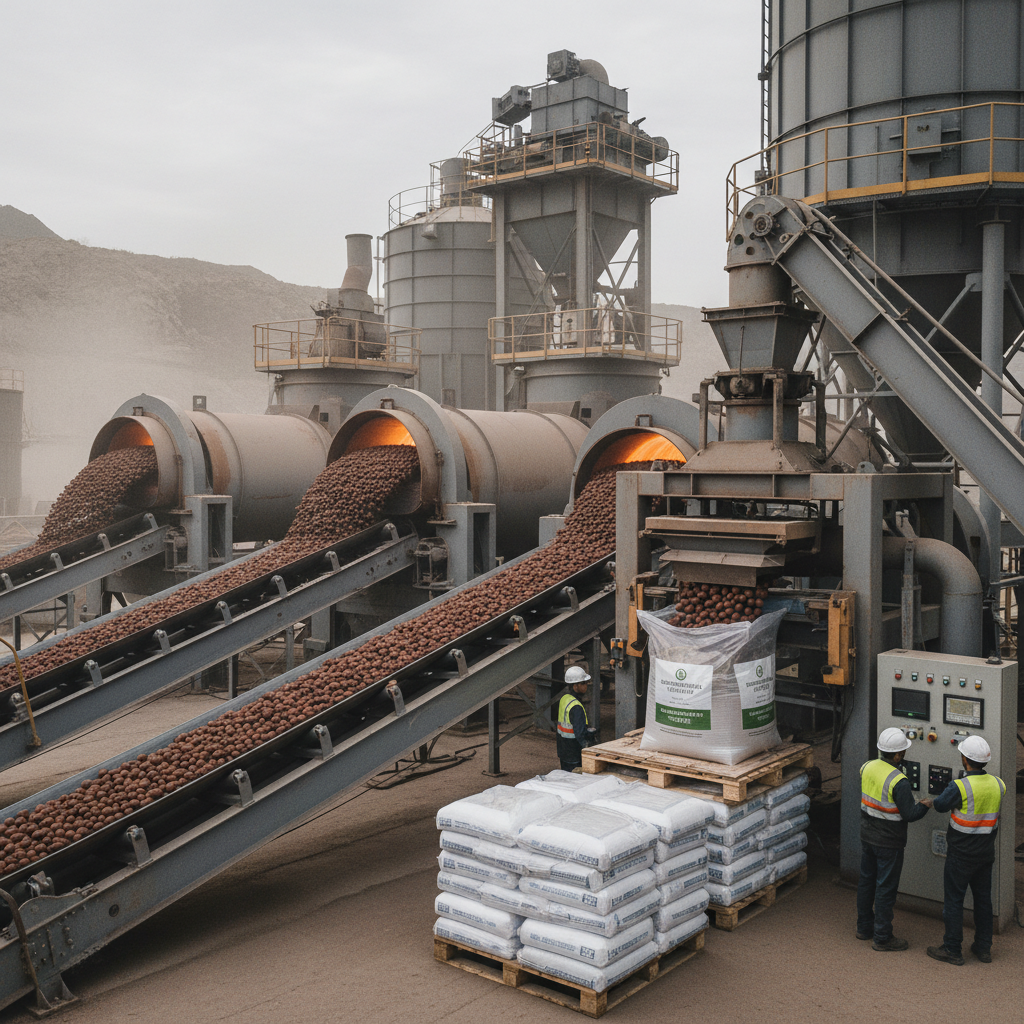 Looking for a superior growing medium that promotes healthy root development and efficient drainage? Horticultural clay pebbles, also known as LECA (Lightweight Expanded Clay Aggregate), offer a fantastic solution for a variety of horticultural applications. This article delves into the benefits, uses, and best practices for using these versatile pebbles, helping you achieve optimal results in your gardening and hydroponic endeavors. They are a sustainable and reusable alternative to traditional soil, offering excellent aeration and support for plant roots. Understanding the properties of clay pebbles is crucial for maximizing plant health and yield. Horticultural clay pebbles are manufactured from natural clay that is heated to extremely high temperatures in a kiln. This process causes the clay to expand, creating lightweight, porous pebbles with a neutral pH. These pebbles are incredibly durable and won't decompose over time, making them a reusable growing medium. They provide excellent aeration, allowing roots to breathe, and offer superior drainage, preventing root rot.阅读更多
 -
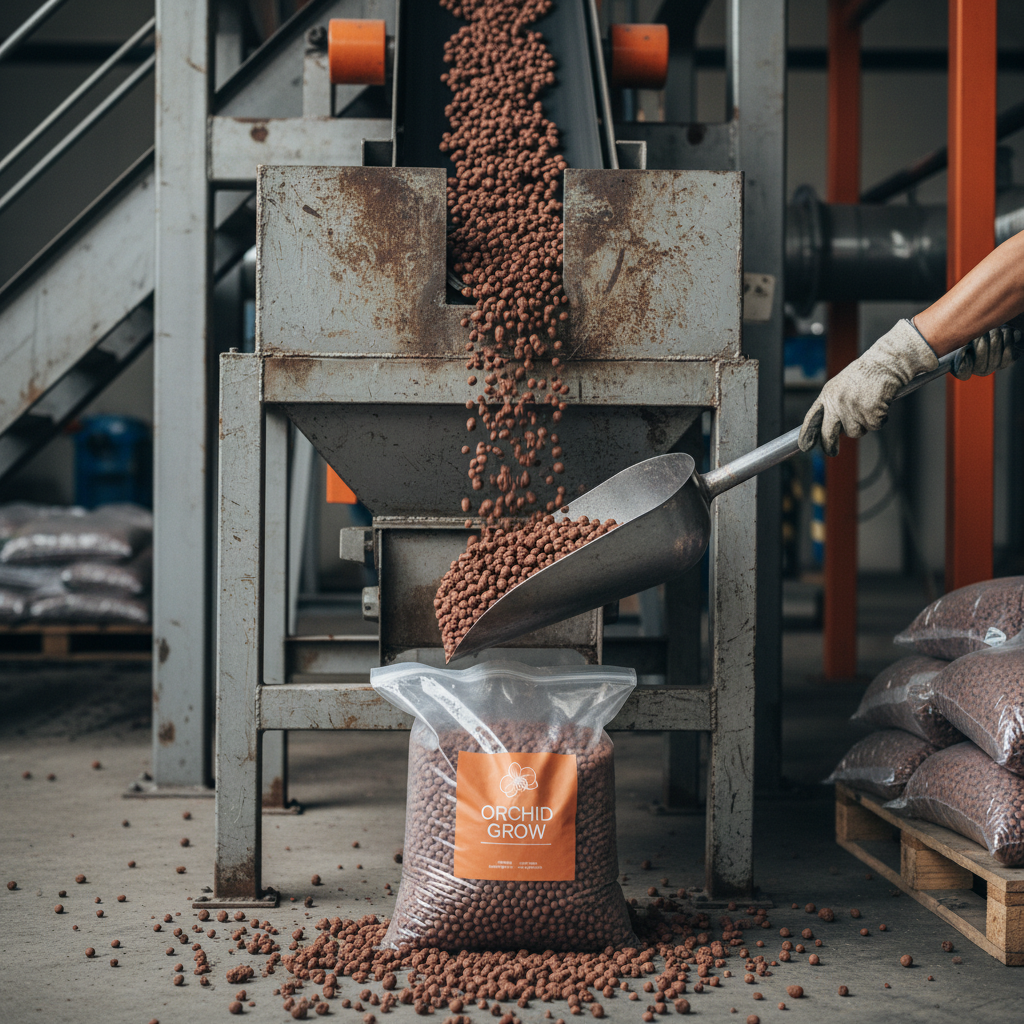 Orchids, renowned for their exquisite beauty, require specific growing conditions to thrive. One crucial aspect of orchid care is the growing medium, and expanded clay pebbles (also known as LECA) have become a popular choice for orchid enthusiasts worldwide. These lightweight, porous pebbles provide excellent aeration and drainage, essential for healthy root development. This article will explore the benefits of using expanded clay pebbles for orchids, how to use them, and where to source high-quality LECA. We'll cover everything you need to know to help your orchids flourish. Traditional potting soil can compact and retain too much moisture, leading to root rot, a common killer of orchids. Expanded clay pebbles offer a superior alternative. Their porous structure allows for excellent airflow around the roots, preventing waterlogging and promoting healthy growth. They are also inert, meaning they don't decompose or release harmful chemicals into the growing medium.阅读更多
 -
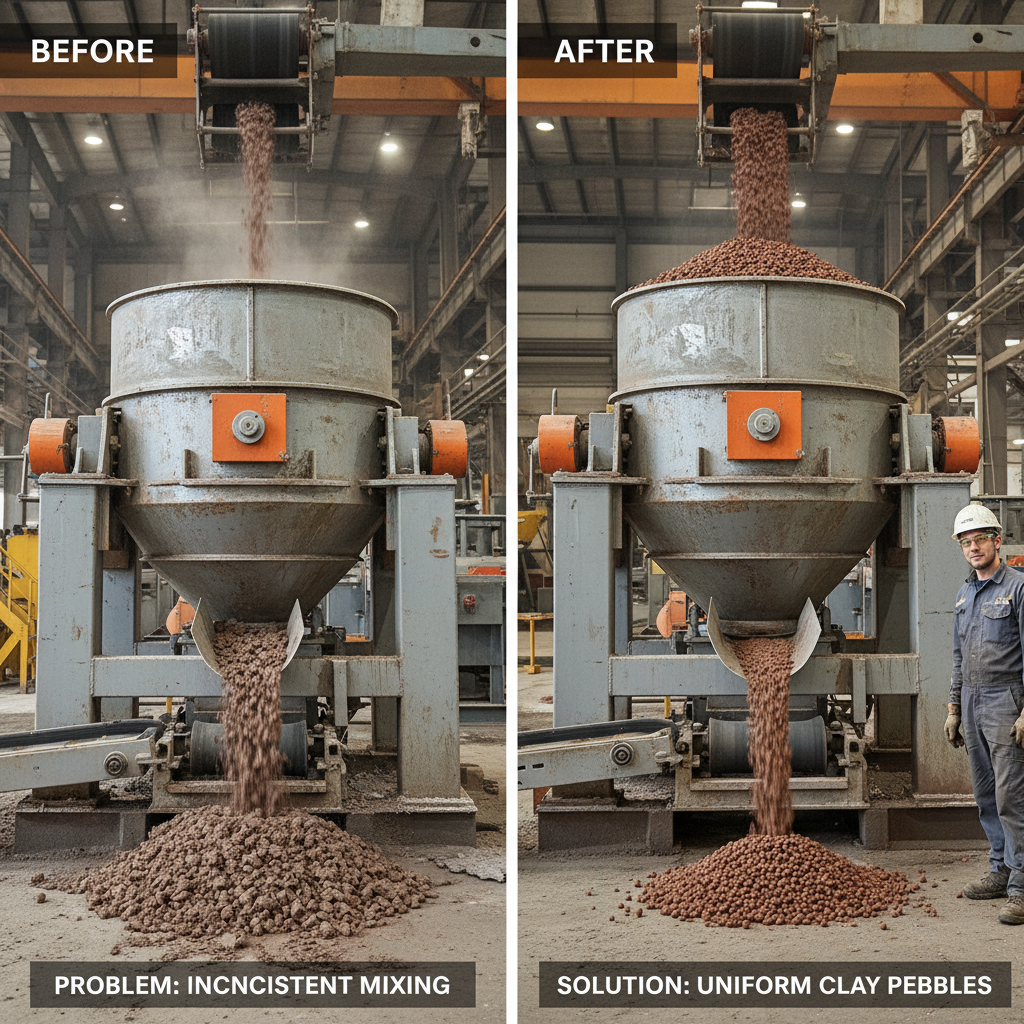 Clay pebbles, also known as LECA (Lightweight Expanded Clay Aggregate), are a versatile growing medium with a wide range of applications beyond traditional gardening. From hydroponics to drainage solutions, understanding the various clay pebbles uses can unlock significant benefits for your plants and projects. This article will explore the many ways these lightweight, porous aggregates can be utilized, detailing their advantages and best practices for optimal results. We’ll delve into everything from hydroponic systems to terrestrial plant support and drainage, offering a thorough overview for both novice and experienced growers. Clay pebbles are manufactured by heating natural clay to extremely high temperatures, causing it to expand into lightweight, porous balls. This process creates a material that is inert, pH neutral, and excellent at providing aeration and drainage. Their porous nature allows them to retain water and nutrients while preventing root rot – a common issue in overwatered plants.阅读更多
 -
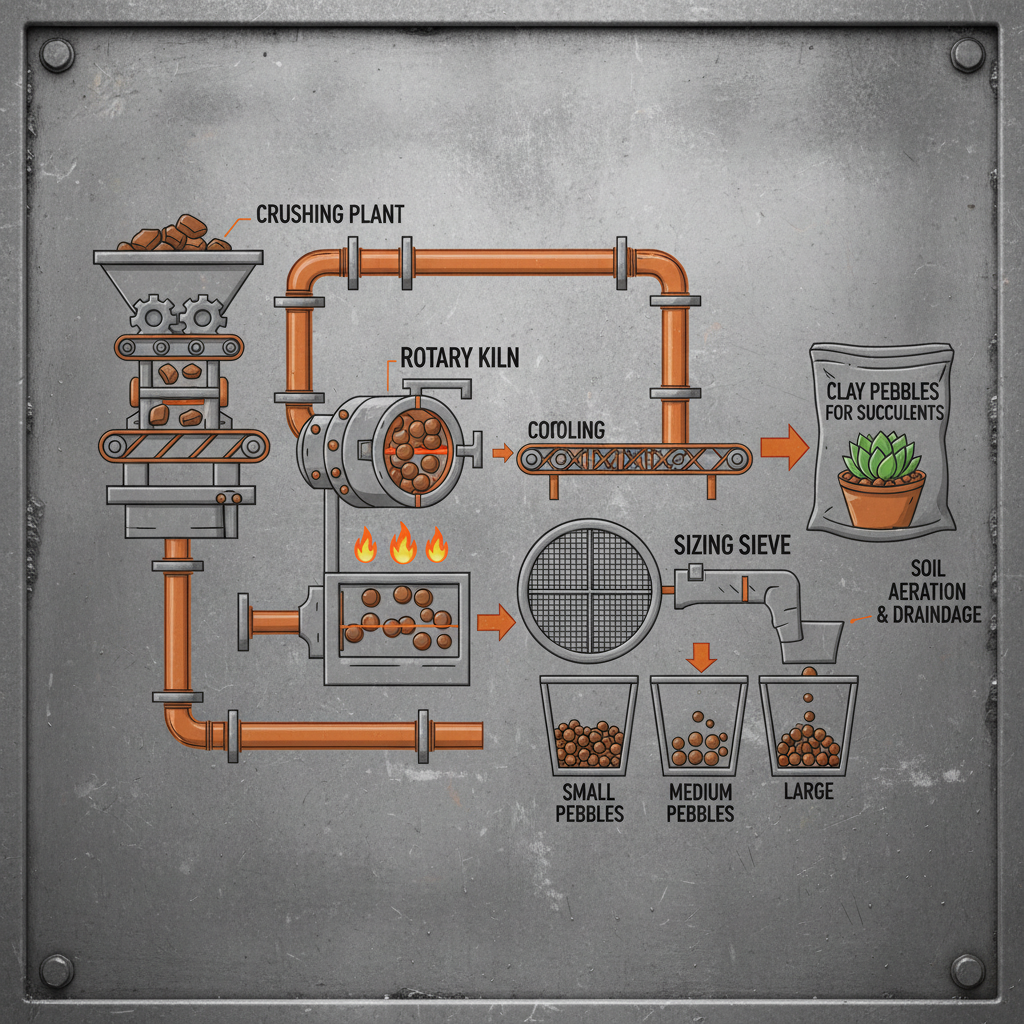 Succulents are beloved for their beauty and relative ease of care, but providing the right growing medium is crucial for their health. Clay pebbles for succulents, also known as LECA (Lightweight Expanded Clay Aggregate), are an increasingly popular choice among succulent enthusiasts. This guide will delve into the benefits of using clay pebbles, how to prepare and use them, and address common questions. Choosing the right medium can significantly impact your succulents’ well-being, and clay pebbles offer a fantastic solution for drainage and aeration. Clay pebbles are made from baked clay that’s expanded to create lightweight, porous granules. This process creates a material with excellent drainage and aeration properties – essential for preventing root rot in succulents. Unlike traditional soil, clay pebbles don't break down over time, offering a long-lasting growing solution.阅读更多
 -
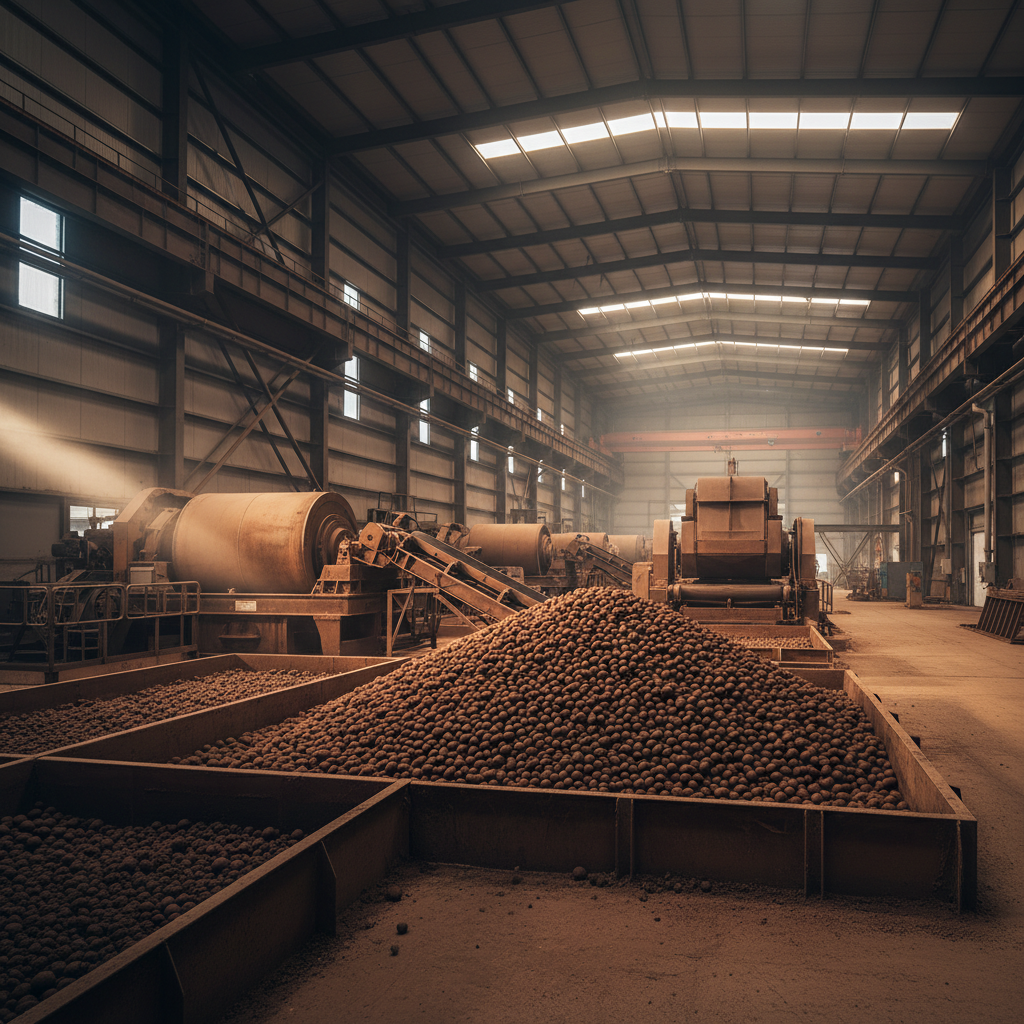 Are you looking for the ideal growing medium to improve drainage, aeration, and overall plant health? Clay pebbles for potted plants, also known as LECA (Lightweight Expanded Clay Aggregate), are a fantastic choice. These inert, porous granules offer a unique set of benefits for a wide variety of plants. This article will explore everything you need to know about using clay pebbles, from their benefits and applications to how to use them effectively. Choosing the right medium is crucial for thriving plants, and clay pebbles could be the answer you’ve been searching for. Clay pebbles are made by heating natural clay to extremely high temperatures, causing it to expand and create a lightweight, porous material. This process results in a product that’s incredibly stable, pH neutral, and doesn't break down or compact over time. Unlike soil, clay pebbles don’t contain any nutrients, making them an inert growing medium. This gives you complete control over the nutrients your plants receive through liquid feeding.阅读更多
.png "关于")