

消息
-
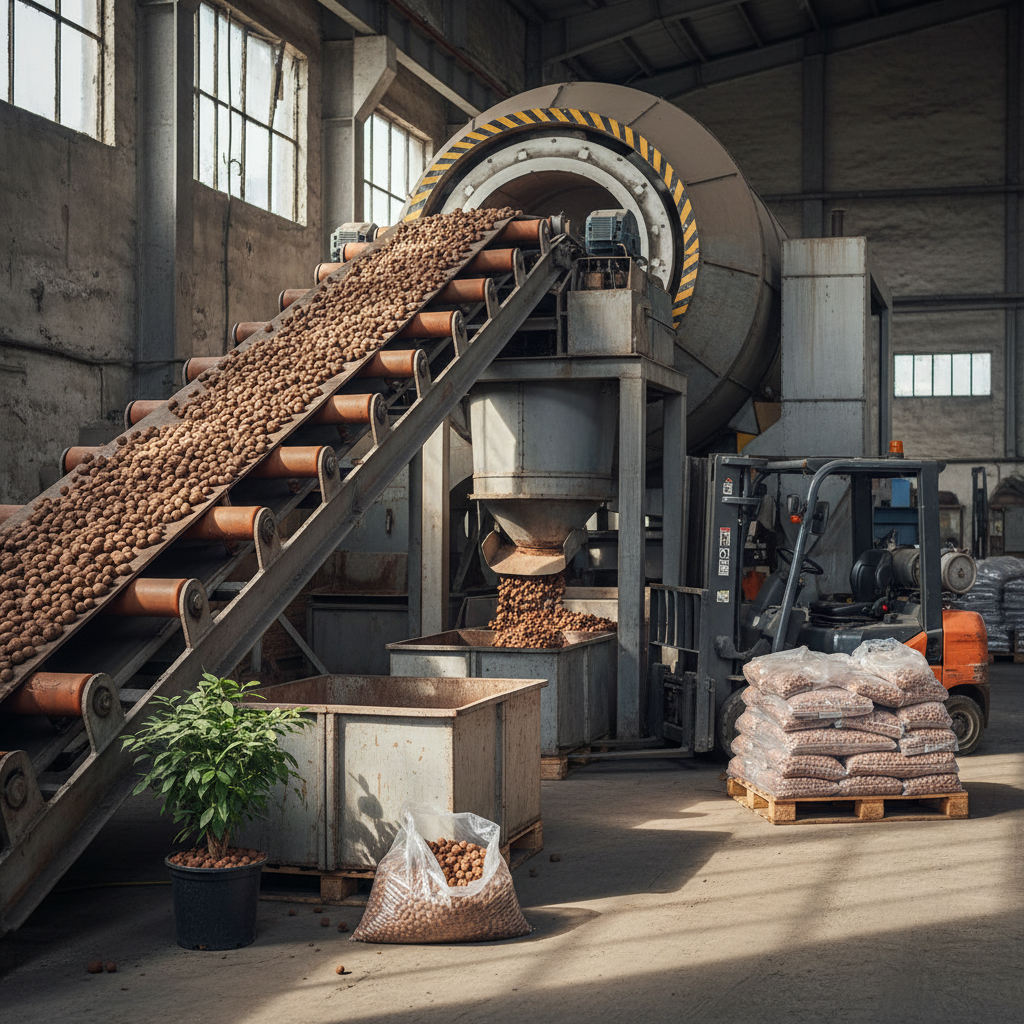 Are you looking for a superior growing medium that promotes healthy root development and excellent drainage for your plants? Clay pebbles for plant pots, also known as LECA (Lightweight Expanded Clay Aggregate), are an excellent choice. This article will cover everything you need to know about clay pebbles, from their benefits and uses to how to choose the right type and where to source them. We’ll also explore why they are becoming increasingly popular among both novice and experienced gardeners. Clay pebbles are a porous, inert growing medium made from baked clay. Their unique structure provides excellent aeration and drainage, essential for healthy root growth. Unlike soil, clay pebbles don’t break down over time, making them a reusable and sustainable option. They are ideal for hydroponic systems, semi-hydroponic setups, and as a drainage layer in traditional plant pots. Glory Star Export offers high-quality clay pebbles suited for a variety of plant types and growing methods. Key Highlights: Excellent aeration, superior drainage, reusable and sustainable, inert and pH neutral, ideal for hydroponics and semi-hydroponics.阅读更多
 -
Creating a thriving aquatic environment requires careful consideration of all components, and the substrate is a critical element. Clay pebbles for fish tank, also known as LECA (Lightweight Expanded Clay Aggregate), are a popular choice among aquarists. This guide provides a thorough overview of clay pebbles, their benefits, uses, and how to choose the right ones for your aquarium. We’ll delve into why they're a preferred substrate for many and how they contribute to a healthy, balanced ecosystem. Clay pebbles are made from natural clay that’s heated to extremely high temperatures, causing it to expand into lightweight, porous balls. This process creates a substrate with excellent aeration and drainage properties. These pebbles are inert, meaning they don’t affect water chemistry, making them suitable for a wide range of aquatic life. They provide a surface for beneficial bacteria to colonize, which is essential for biological filtration. Unlike soil or gravel, clay pebbles don't break down or release harmful substances into the water.阅读更多
-
Achieving optimal drainage is crucial for the health and vitality of plants, especially in container gardening and hydroponic systems. Clay pebbles for drainage, also known as LECA (Lightweight Expanded Clay Aggregate), offer a superior solution compared to traditional methods. This article provides an in-depth look at the benefits, applications, and best practices for using clay pebbles to improve drainage and promote thriving plant growth. From understanding their composition to choosing the right size, we'll cover everything you need to know to leverage these versatile drainage materials. Clay pebbles are manufactured by heating natural clay to extremely high temperatures, resulting in a lightweight, porous material. This process creates countless tiny air pockets within each pebble, making them incredibly effective at improving aeration and drainage. Unlike soil, clay pebbles do not decompose, meaning they provide a long-lasting drainage solution.阅读更多
-
Growing cacti successfully requires more than just sunlight and minimal watering. The right growing medium is crucial, and clay pebbles for cactus are becoming increasingly popular among cactus enthusiasts. These lightweight, porous pebbles provide excellent drainage, aeration, and support, leading to healthier, more vibrant cacti. This article explores the benefits of using clay pebbles, how to use them effectively, and why Glorystar Export is a trusted source for high-quality clay pebbles. Clay pebbles, also known as LECA (Lightweight Expanded Clay Aggregate), are made from natural clay that is heated to extremely high temperatures. This process creates a lightweight, porous material with excellent water retention and drainage properties. For cacti, which are highly susceptible to root rot, these properties are invaluable. Unlike traditional soil, clay pebbles don’t compact, ensuring consistent airflow around the roots.阅读更多
-
Growing aloe vera is rewarding, but achieving optimal health and growth requires the right potting medium. While soil can be used, many aloe vera enthusiasts are turning to clay pebbles for aloe vera. These lightweight, porous aggregates offer superior drainage, aeration, and a pH-neutral environment that aloe vera thrives in. This article delves into the benefits of using clay pebbles, how to use them effectively, and why they’re a game-changer for aloe vera cultivation. Learn how to provide the ideal environment for your aloe vera to flourish and maximize its health benefits. Aloe vera is a succulent, meaning it’s adapted to arid environments and susceptible to root rot if overwatered. Traditional potting soil often retains too much moisture, creating a breeding ground for fungal diseases. Clay pebbles, also known as LECA (Lightweight Expanded Clay Aggregate), provide excellent drainage, preventing waterlogging and promoting healthy root development. Their porous structure also allows for good aeration, ensuring the roots receive the oxygen they need. Additionally, clay pebbles are pH neutral, which is ideal for aloe vera’s preferred slightly acidic to neutral pH range. The use of clay pebbles also minimizes the need for frequent repotting as they don’t decompose like organic matter.阅读更多
-
Looking for the perfect growing medium to enhance your houseplants’ health and vibrancy? Clay pebbles for houseplants, also known as LECA (Lightweight Expanded Clay Aggregate), are a fantastic choice. They offer excellent drainage, aeration, and are reusable, making them an eco-friendly and cost-effective solution. This article will delve into the benefits, uses, and how to use clay pebbles to create a thriving indoor garden. We’ll explore why these inert granules are becoming increasingly popular among plant enthusiasts. Clay pebbles are made from baked clay, resulting in a lightweight, porous material. Their irregular shape and numerous air pockets provide excellent aeration for plant roots, preventing root rot – a common problem with traditional soil-based growing mediums. Unlike soil, clay pebbles are inert, meaning they don’t contain any nutrients. This allows you to have complete control over the nutrient solution you provide to your plants. They are also pH neutral, won’t compact over time, and are incredibly durable.阅读更多
-
有机膨胀粘土卵石 (LECA) 是一种多功能生长介质,在水培、鱼菜共生和传统园艺中越来越受欢迎。它们具有出色的通气、排水性能,而且重量轻,非常适合各种应用。本文将深入探讨使用膨胀粘土卵石的好处、用途和注意事项,为新手和经验丰富的种植者提供宝贵的见解。选择正确的生长介质可以极大地影响植物的健康和产量。膨胀粘土卵石通常称为 LECA(轻质膨胀粘土骨料),是通过将天然粘土加热到极高温度而制成的。这个过程使粘土膨胀,形成多孔、轻质的材料。由此产生的卵石是惰性的、pH 值中性且不会分解,提供了持久且可重复使用的生长介质。它们因其卓越的排水和通气性能而备受赞誉,可防止根部腐烂并促进根部健康发育。阅读更多
-
种植兰花可能是一项非常有益的爱好,但要获得最佳结果需要了解其具体需求。种植这些美丽植物的一种流行且有效的方法是使用粘土卵石,也称为 LECA(轻质膨胀粘土骨料)。本指南深入探讨了在粘土卵石中使用兰花的好处,涵盖从设置和护理到解决常见问题的所有内容。我们将探讨为什么这种介质是许多兰花爱好者的首选,它能改善通气和排水,这是根系健康发育的关键因素。粘土卵石是一种由加热粘土制成的人造生长介质。这个过程产生了轻质、多孔的球,非常适合提供通气和排水功能。与传统的盆栽土不同,粘土卵石不保水,可以防止根部腐烂,这是兰花的常见问题。阅读更多
-
碳酸氢钙,也称为碳酸氢钙,是一种多功能化合物,在各个行业具有广泛的应用。从水处理和农业到食品加工和制药,其独特的性能使其成为宝贵的资产。本文深入探讨了碳酸氢钙的多种用途,探讨了其优点、应用以及有效实施的注意事项。了解其化学性质以及它如何与其他物质相互作用是充分发挥其潜力的关键。我们将探讨可用的不同等级以及如何根据您的特定需求选择合适的等级。碳酸氢钙 (Ca(HCO₃)2) 是一种白色结晶固体,易溶于水。当二氧化碳 (CO2) 溶解在含有钙离子 (Ca²⁺) 的水中时就会形成它。关键特性是其碱度;它很容易中和酸。这在水处理中尤其重要,因为它有助于提高 pH 值。此外,它在加热时分解,释放出二氧化碳、水和碳酸钙。这种分解反应是其多种工业应用的基础。阅读更多
-
碳酸钙 (CaCO3) 是一种普遍存在且用途广泛的矿物质,在众多行业中有着广泛的应用。从天然存在的石灰石和白垩到其人造形式,碳酸钙在从建筑和农业到制药和食品生产的各个领域都发挥着至关重要的作用。本文将深入探讨碳酸钙的各种功能、其多样化的应用,以及根据特定需求选择正确牌号的重要性。了解这些方面对于企业采购这种重要材料至关重要。从本质上讲,碳酸钙的主要功能之一是充当碱、中和酸的能力。这一特性使其在土壤调节等应用中具有无价的价值,它可以提高酸性土壤的 pH 值,为植物生长创造更有利的环境。阅读更多
-
碳酸钙 (CaCO₃) 是全球使用最广泛的工业矿物之一,服务于从建筑材料到药品的广泛应用。了解碳酸钙工艺,包括其各种生产方法,对于参与其供应链的企业至关重要。本文深入探讨了用于生产碳酸钙的不同方法、其应用、质量控制以及采购注意事项。我们还将根据所需的产品特性和最终用途要求,探讨影响选择最合适工艺的因素。生产碳酸钙主要有三种方法:采矿(研磨碳酸钙 - GCC)、沉淀(沉淀碳酸钙 - PCC)以及不太常见的涉及氢氧化钙碳酸化的方法。每个过程都会产生具有不同粒度、纯度和形态的独特产品。 GCC 是通过破碎、研磨和分类天然存在的石灰石或白垩而获得的。另一方面,PCC 是通过受控化学反应制造的。 GCC 和 PCC 之间的选择在很大程度上取决于具体的应用和性能要求。阅读更多
-
创造完美的生长介质对于植物的健康发育至关重要。一种流行且有效的技术是将粘土卵石与土壤混合。这种组合提供了出色的排水、通气和根部支持。本文将探讨这种方法的好处,提供理想比率的指导,并概述成功实施的最佳实践。了解如何有效地混合这些成分可以显着改善您的园艺效果并促进植物的繁茂生长。将粘土卵石(也称为 LECA——轻质膨胀粘土骨料)与土壤相结合,可以解决一些常见的园艺挑战。土壤虽然营养丰富,但会变得板结,阻碍根部生长并减少通气。另一方面,粘土卵石是多孔的,会产生气穴,改善排水并防止根部腐烂。这种混合物还有助于保持水分而不被浸水,为根部发育提供平衡的环境。阅读更多
.png "关于")