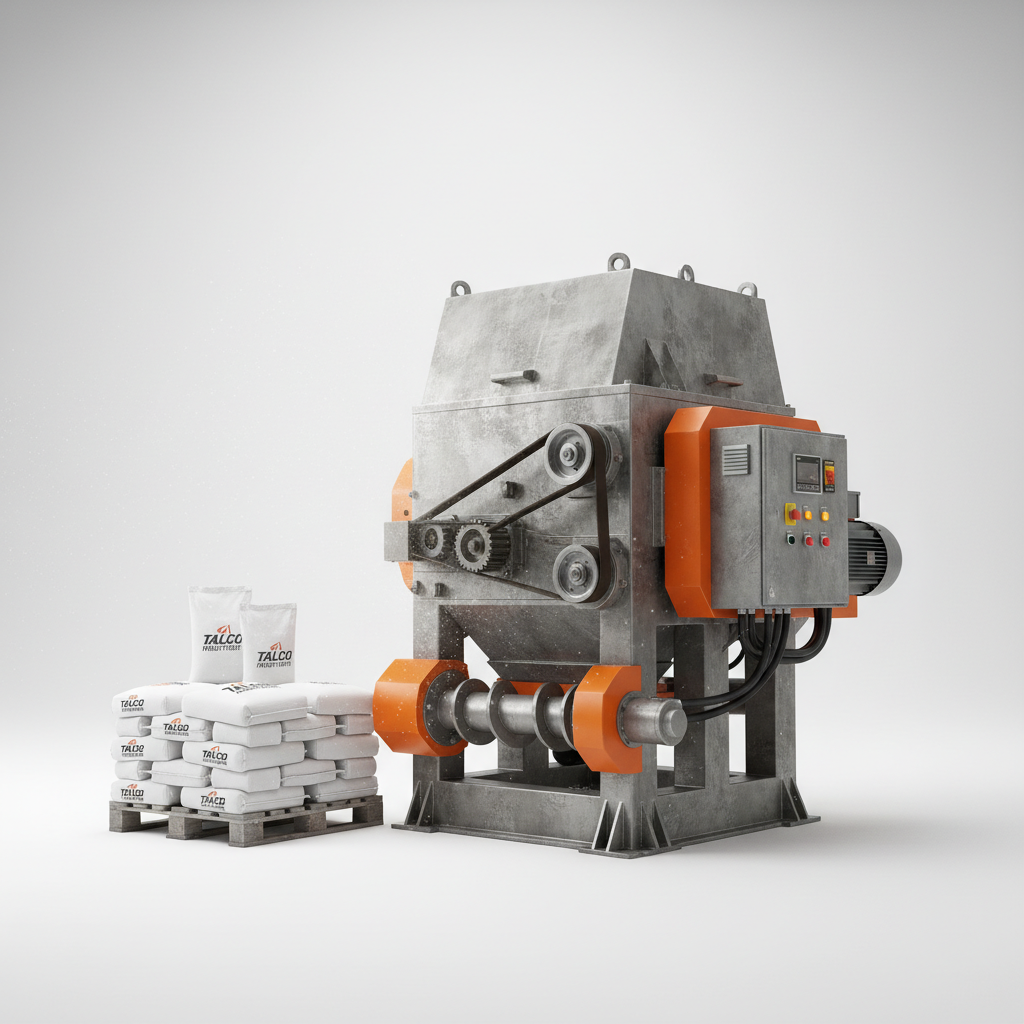
Understanding Talc Mineral Its Applications and Sustainable Practices
Talc is a naturally occurring hydrated magnesium silicate mineral, renowned for its incredibly soft texture, chemical inertness, and unique physical properties. Its versatility has cemented its importance across a broad spectrum of industries, from cosmetics and pharmaceuticals to plastics and paints. Understanding the nuances of talc – its sources, processing, applications, and potential concerns – is crucial for responsible and sustainable utilization. Its accessibility and affordability make it a vital component in countless everyday products, influencing global supply chains and consumer markets alike. The global demand for talc is steadily increasing, driven by population growth, industrial expansion, and evolving consumer preferences. However, this demand is accompanied by growing scrutiny regarding ethical sourcing, potential health risks, and environmental impacts. The United Nations Sustainable Development Goals, particularly those related to responsible consumption and production (Goal 12) and good health and well-being (Goal 3), highlight the need for a holistic approach to talc management. The ISO standards related to mineral processing and quality control further emphasize the importance of rigorous standards.
Read more »

 By:Michael Brown - February 18, 2026
 By:Christopher Davis - February 16, 2026
 By:David Miller - February 15, 2026

 By:Daniel Wilson - February 14, 2026
 By:Robert Johnson - February 11, 2026




.png "About")