In the landscape of advanced industrial minerals, mica material stands as a cornerstone of thermal and electrical insulation. Its unique crystalline structure, characterized by perfect basal cleavage, allows it to be split into incredibly thin, flexible sheets that remain stable under extreme temperatures. For modern manufacturers, understanding the nuances of this mineral is not just a technical requirement but a strategic advantage in developing high-performance components.
Globally, the demand for high-purity mica material has surged due to the rapid expansion of the electronics and automotive sectors. As devices become smaller and power densities increase, the need for materials that can provide reliable dielectric strength without compromising space is critical. This mineral provides a natural solution that synthetic alternatives often struggle to match in terms of cost-to-performance ratios.
Whether utilized in its raw form, as dehydrated flakes, or as high-end synthetic sheets, the versatility of this mineral is unparalleled. From protecting heavy-duty industrial furnaces to enabling the shimmer in high-end cosmetics and automotive paints, it bridges the gap between raw geological power and refined commercial application, making it an indispensable asset in the non-metallic mineral industry.
Global Industry Context of Mica Material
The global market for mica material is deeply integrated into the supply chains of several multi-billion dollar industries. According to industrial mineral trends aligned with ISO quality standards, the demand is driven by the transition toward green energy and electric vehicles (EVs), where high-temperature insulation is a safety mandate. This mineral's ability to resist electrical conduction while withstanding thermal shock makes it a primary choice for capacitor production and motor winding.
However, the industry faces a significant challenge in balancing high-volume extraction with ethical sourcing and environmental stewardship. As global regulatory bodies tighten controls on mining practices, the shift toward synthetic mica and more sustainable processing methods has accelerated. This evolution ensures that the industrial world can continue to leverage the unique properties of the mineral without compromising ecological integrity or human rights.
Defining Mica Material and Its Industrial Role
In simple terms, mica material refers to a group of silicate minerals that form flexible, thin sheets. These sheets are the result of a layered atomic structure that allows the mineral to be split into layers of microscopic thickness. This physical property, combined with a high dielectric constant and low thermal conductivity, positions mica as a premier insulator in environments where plastics or polymers would simply melt or degrade.
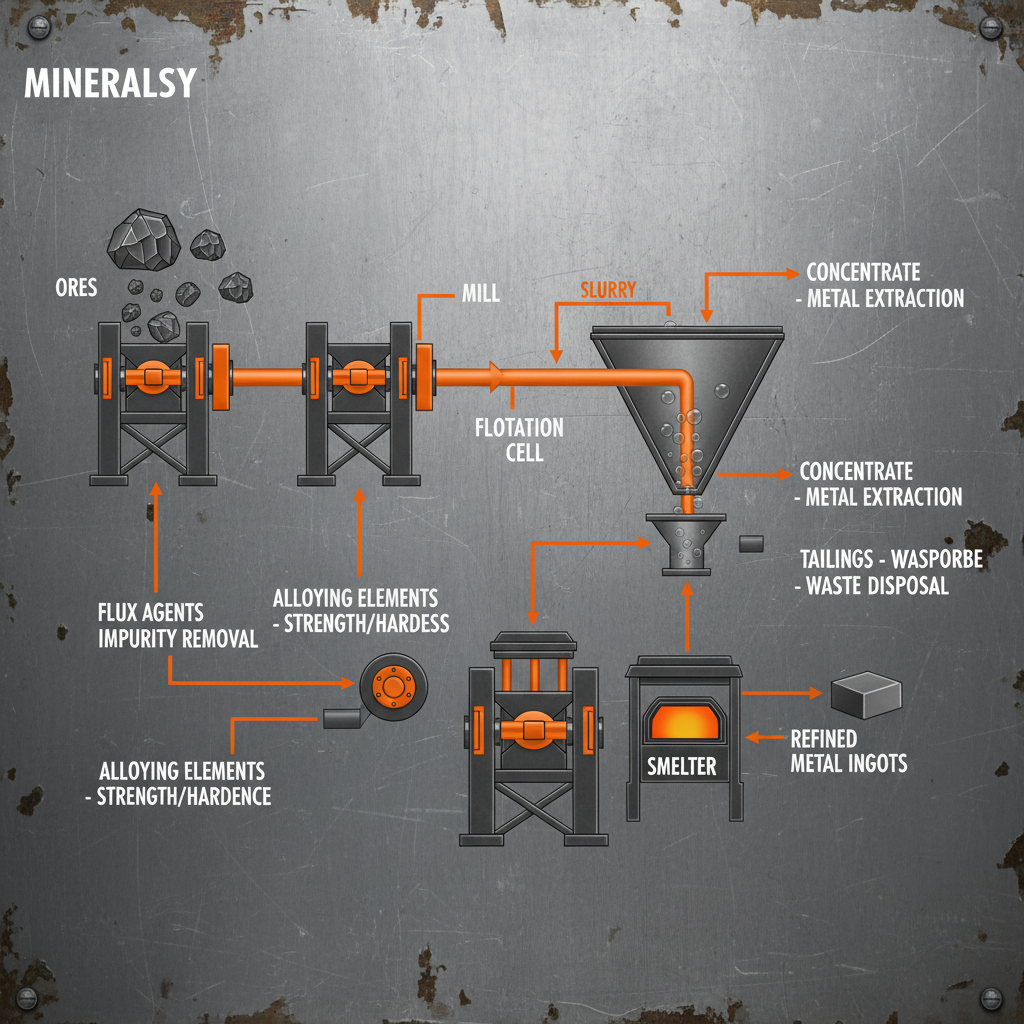
In the context of modern industry, mica is more than just a raw mineral; it is a functional additive. When processed into flakes or powders, it is integrated into epoxy resins, ceramics, and paints to enhance durability and provide a pearlescent aesthetic. Its role extends from the most basic construction materials to the most complex aerospace components, serving as a shield against heat and electricity.
Beyond technical specs, the meaning of mica in the current market has shifted toward "performance minerals." It is no longer viewed merely as a commodity but as a critical component in the quest for energy efficiency. By reducing heat loss in industrial furnaces and preventing electrical leakage in high-voltage systems, it directly contributes to the reduction of energy waste on a global scale.
Core Components and Technical Factors
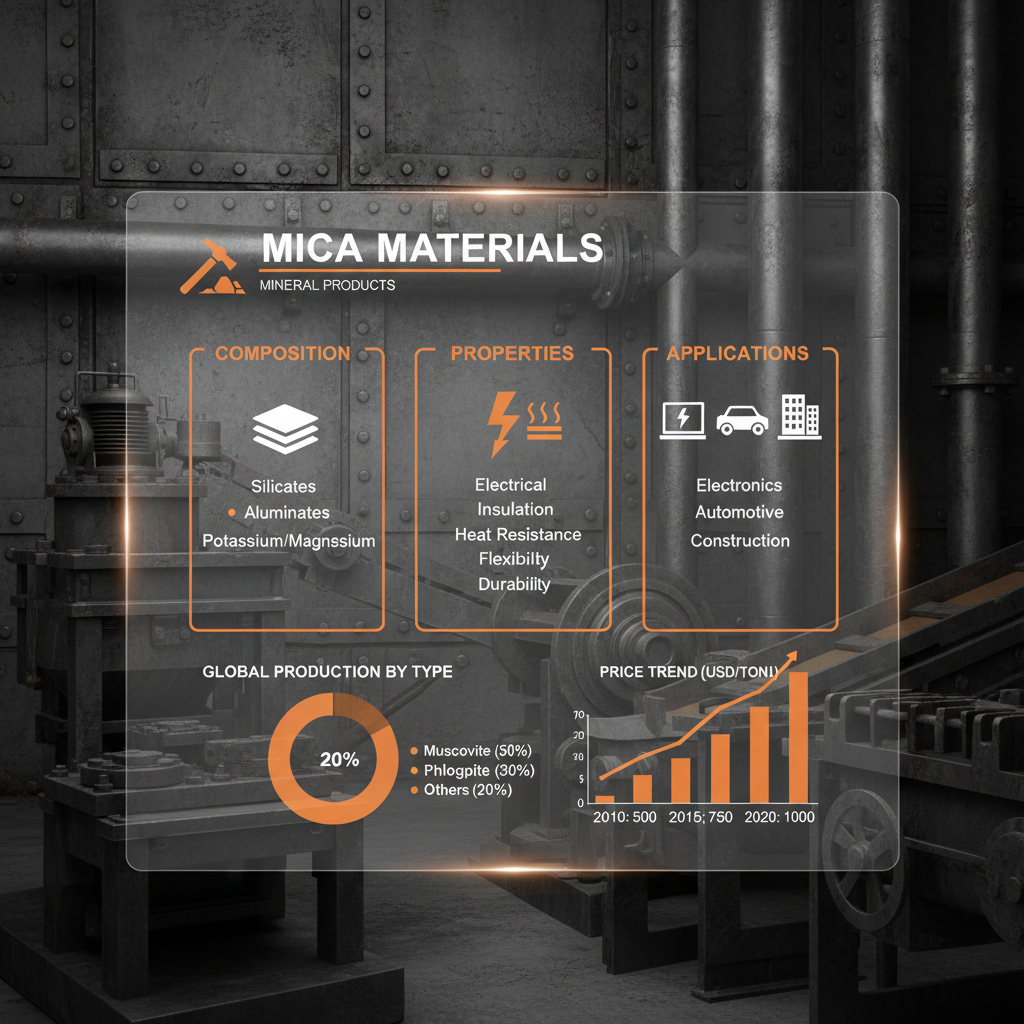
The effectiveness of any mica material is primarily determined by its Dielectric Strength. This factor dictates how much voltage the material can withstand before breaking down, which is why Muscovite and Phlogopite are prized in the electronics industry for their ability to prevent short circuits in compact spaces.
Another critical component is Thermal Stability. High-grade mica can withstand temperatures exceeding 600°C (for Muscovite) and even 900°C (for Phlogopite) without losing its structural integrity. This makes it far superior to synthetic polymers in applications like heating elements and industrial kiln linings.
Finally, Chemical Inertness plays a vital role in its scalability. Because mica does not react with most acids or alkalis, it is used extensively as a filler in chemical-resistant coatings and specialty plastics. This stability ensures that the end product maintains its physical properties even when exposed to harsh industrial environments over several decades.
Performance Benchmarks of Mica Varieties
To understand which mica material is best for a specific application, engineers look at performance benchmarks across different mineral species. While Muscovite is the standard for electrical insulation due to its transparency and strength, Phlogopite is preferred for high-temperature industrial use. Synthetic mica, on the other hand, offers unmatched purity and consistency for precision electronics.
Comparing these varieties allows manufacturers to optimize for cost versus performance. For instance, in cosmetic applications, the "shimmer" effect is achieved through specific flake size distributions, whereas in industrial insulation, the focus is on the density and thickness of the sheets to ensure no electrical leakage occurs.
Comparative Performance of Mica Material Types
Global Applications and Strategic Use Cases
The application of mica material spans across continents and industries. In North America and Europe, it is heavily utilized in the aerospace sector for heat shields and wiring insulation in aircraft. In Asia, particularly in manufacturing hubs, it is a staple in the production of capacitors and resistors for the consumer electronics market, ensuring that smartphones and laptops remain safe and efficient.
Beyond high-tech, we see critical use cases in heavy industrial zones. For example, in steel mills and glass factories, mica-based sheets are used as gaskets and seals that can survive the brutal heat of the smelting process. Additionally, in the automotive industry, mica is integrated into brake pads and clutch plates to increase friction stability and heat dissipation, directly enhancing driver safety.
Long-term Value and Sustainability Benefits
Investing in high-quality mica material yields tangible long-term value through increased equipment longevity. Because mica does not degrade under heat like organic insulators, the maintenance cycle for industrial machinery is significantly extended. This reliability translates into lower operational costs and less downtime for factories, creating a logical economic incentive for choosing premium mineral grades.
From a sustainability perspective, the shift toward "Circular Mineral Economy" practices is bringing new value. The industry is focusing on the recovery and recycling of mica scrap from electronic waste, reducing the need for new mining. Furthermore, the use of mica in energy-efficient insulation helps reduce the overall carbon footprint of industrial heating processes by preventing thermal leakage.
There is also an emotional and ethical dimension to this value. By moving toward certified conflict-free and child-labor-free mica sources, companies are building trust with a conscious consumer base. This transition from "commodity sourcing" to "ethical sourcing" ensures that the innovation provided by the mineral is not overshadowed by social cost, adding a layer of brand dignity and corporate responsibility.
Future Trends and Innovations in Mineral Processing
The future of mica material lies in the intersection of nanotechnology and sustainable chemistry. Researchers are currently developing "nano-mica" composites that offer the same insulation properties but at a fraction of the thickness, enabling the next generation of ultra-thin flexible electronics. These innovations are expected to revolutionize the wearable tech market, where flexibility and thermal protection are paramount.
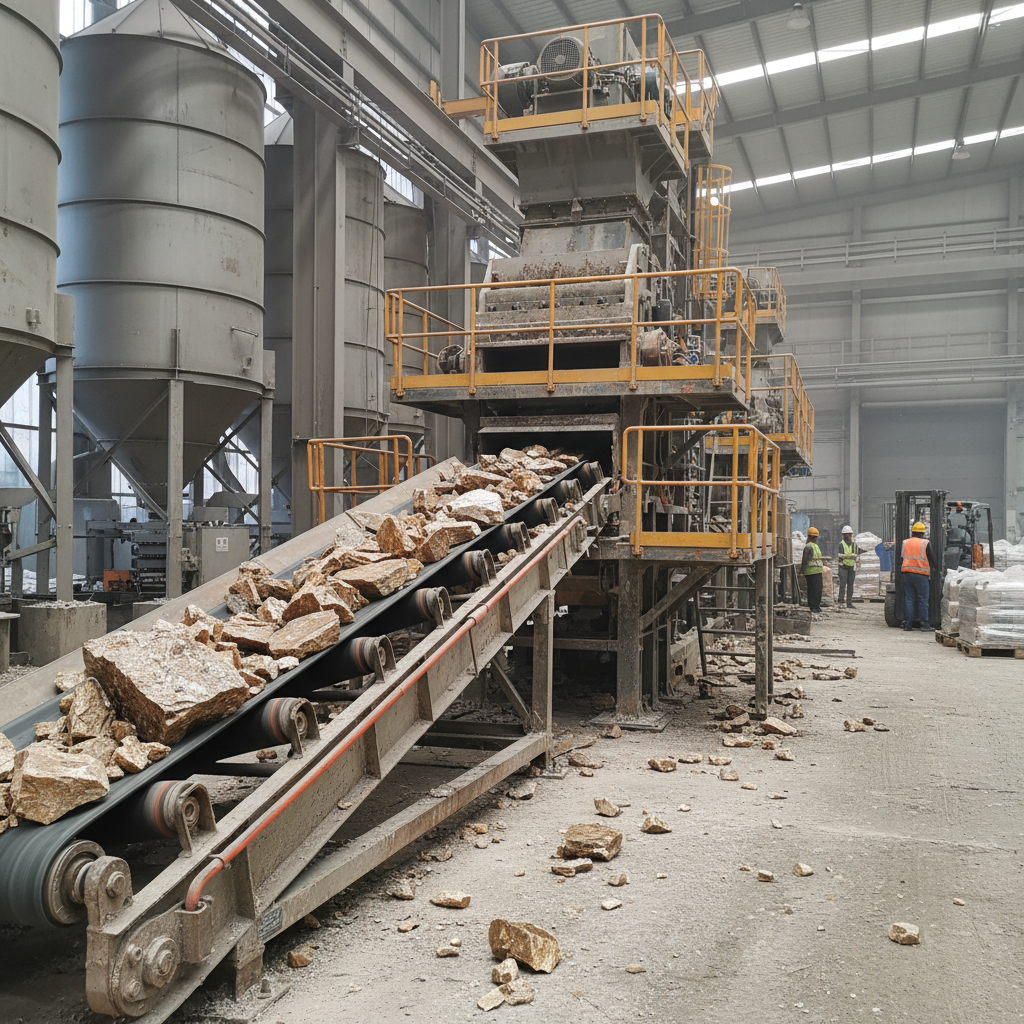
Digital transformation is also hitting the mining sector. AI-driven geological mapping is now used to locate higher-purity deposits with minimal surface disturbance, reducing the environmental impact of extraction. Automation in the processing plant—specifically in the sorting and splitting of mica sheets—is increasing yield and reducing waste, making the production process leaner and greener.
Moreover, the rise of green energy is creating new demands. In the production of hydrogen fuel cells and advanced battery systems, specialized mica composites are being tested to manage heat and prevent internal shorts. As the world pivots away from fossil fuels, this mineral will likely play a pivotal role in stabilizing the infrastructure of the new energy economy.
Analysis of Mica Material Varieties and Technical Applications
| Mica Variety |
Primary Property |
Ideal Application |
Efficiency Score |
| Muscovite |
High Dielectric Strength |
Electrical Capacitors |
9.5 |
| Phlogopite |
Extreme Heat Resistance |
Industrial Furnaces |
9.0 |
| Synthetic Mica |
Ultra-High Purity |
Precision Electronics |
9.8 |
| Biotite |
Mechanical Flexibility |
Fillers & Coatings |
7.2 |
| Dyed Mica Flakes |
Optical Reflectivity |
Automotive Paints |
8.5 |
| Dehydrated Mica |
Enhanced Thermal Stability |
Heating Elements |
8.8 |
FAQS
Mica material possesses a significantly higher thermal threshold, often remaining stable above 600°C, whereas most polymers melt or off-gas at much lower temperatures. Additionally, mica provides superior dielectric strength and does not degrade over time when exposed to continuous electrical stress, making it the safer and more durable choice for high-voltage applications.
The choice depends on your temperature requirements. Muscovite is ideal for general electrical insulation and applications up to 600°C due to its excellent dielectric properties. Phlogopite is the correct choice for extreme environments, such as industrial furnaces or high-heat gaskets, as it can withstand temperatures up to 900°C without compromising its structure.
Yes, synthetic mica is highly viable and often preferred for precision electronics because it eliminates natural impurities. While it can be more expensive to produce, it offers consistent thickness and purity that natural mica cannot always guarantee. For cosmetic and decorative use, synthetic mica is also favored for its ethical sourcing and consistent color profiles.
For these applications, mica is ground into precise flake sizes. To create a pearlescent effect, the mica flakes are coated with a thin layer of metal oxides (like titanium dioxide or iron oxide). This creates a reflective surface that bounces light, giving the material its signature shimmer and brilliance used in automotive finishes and makeup.
The primary environmental concern is land degradation and the carbon footprint of mining. However, the industry is moving toward sustainable extraction and the use of synthetic alternatives. Leading suppliers now implement strict ESG (Environmental, Social, and Governance) criteria to ensure that the mineral is extracted without destroying local ecosystems or exploiting labor.
While not typically used as bulk wall insulation, mica is used in residential settings within heating appliances, toaster ovens, and hair dryers. Its ability to insulate electrical components from hot metal surfaces makes it a critical safety component in almost every household that uses high-wattage heating devices.
Conclusion
In summary, mica material remains an irreplaceable asset in the industrial world, bridging the gap between extreme thermal demands and precise electrical insulation. From its natural geological brilliance to the engineered precision of synthetic varieties, this mineral provides the safety, reliability, and efficiency required by modern technology. By understanding the technical distinctions between varieties like Muscovite and Phlogopite, manufacturers can optimize their products for both cost and performance.
Looking forward, the integration of nano-technology and ethical sourcing will define the next era of this mineral's utility. As we transition toward a greener, more electric future, the strategic importance of high-purity insulation will only grow. We encourage engineers and procurement specialists to prioritize materials that balance technical excellence with environmental responsibility. Visit our website for premium mineral solutions: www.glorystarexport.com





.png "About")