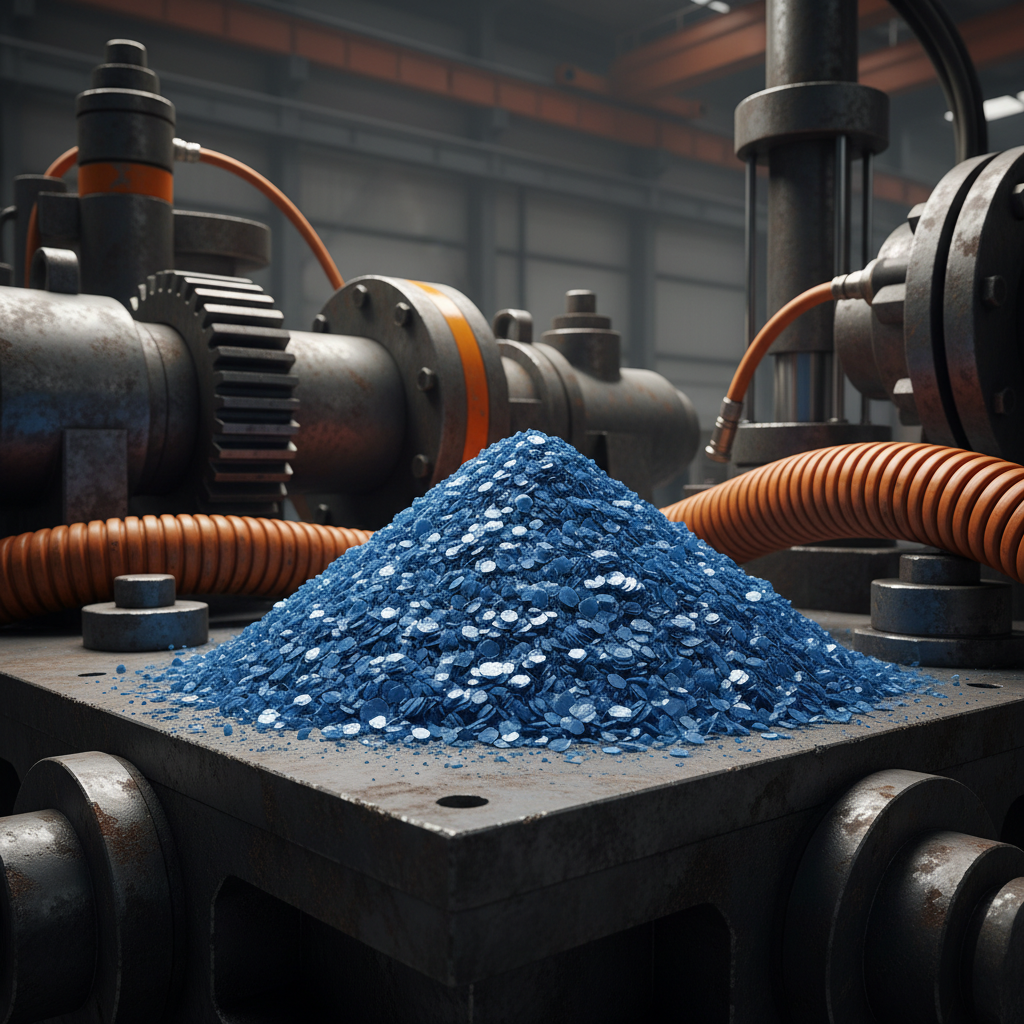
The global demand for specialized mineral pigments has seen a significant surge, with blue mica powder emerging as a critical component for high-end industrial and cosmetic applications. This material combines the natural dielectric properties of mica with sophisticated coloring techniques to provide a shimmering, durable finish that is indispensable in modern manufacturing.
Understanding the technical nuances of this material is essential for procurement managers and product designers who seek to balance aesthetic brilliance with chemical stability. As industries shift toward more sustainable and high-performance additives, the role of carefully processed mineral powders becomes a cornerstone of product differentiation and quality assurance.
Whether used in automotive coatings, luxury cosmetics, or specialized electronic insulation, the integration of high-purity blue mica powder ensures that end-products meet rigorous international standards for lightfastness and thermal resistance, providing long-term value in a competitive global marketplace.
Global Industry Context of Blue Mica Powder
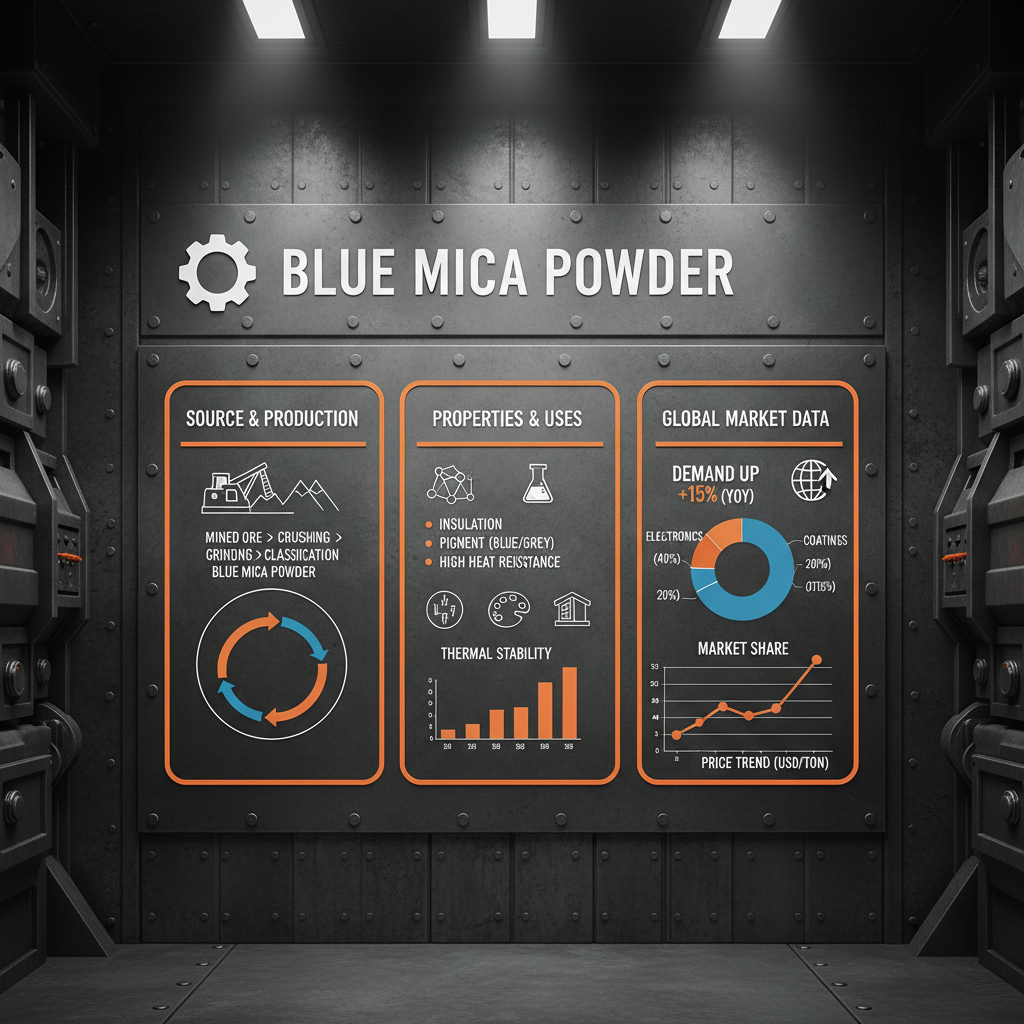
On a global scale, the mica market is governed by strict ISO standards to ensure purity and particle size distribution. The specific niche of blue mica powder has expanded as the automotive and aerospace sectors demand pigments that can withstand extreme UV exposure without degrading. Current market data suggests a steady increase in the adoption of synthetic and natural mica hybrids to meet these rigorous durability requirements.
However, the industry faces a persistent challenge regarding the consistency of "blue" hues across different batches. Achieving a precise chromatic coordinate requires advanced titration and coating processes, moving beyond simple mixing to molecular-level layering. This technical hurdle has driven innovation in the non-metallic mineral sector, pushing manufacturers to adopt automated precision-coating technologies.
Definition and Technical Meaning
In technical terms, blue mica powder is a mineral-based pigment created by coating mica flakes (typically muscovite or phlogopite) with a thin layer of metal oxides, such as titanium dioxide and iron oxide, followed by a coloring agent. This structure creates a "Fabry-Pérot" interference filter, where light reflects off the different layers to produce a brilliant blue shimmer rather than a flat color.
This material is not merely a decorative additive; it serves a functional purpose in modern industry. Because mica is naturally heat-resistant and chemically inert, the resulting powder provides a protective barrier that prevents corrosion while maintaining an aesthetically pleasing appearance. This duality makes it invaluable for components that are exposed to both harsh environments and consumer scrutiny.
From a humanitarian and ethical perspective, the industry is moving toward "Conflict-Free" certification. Ensuring that the raw minerals used in blue mica powder are sourced from regulated mines is now a primary concern for global brands, aligning commercial success with social responsibility and transparent supply chain management.
Key Factors in Powder Performance
The effectiveness of blue mica powder is primarily determined by its particle size distribution. Finer particles provide a smoother, more satin-like finish, which is critical for high-end cosmetics, whereas larger flakes create a dramatic "sparkle" effect preferred in industrial coatings and artistic applications.
Chemical stability is another core component. The bond between the mica substrate and the blue oxide layer must be robust to prevent "bleeding" or fading. High-quality blue mica powder maintains its color integrity even when exposed to alkaline environments or high-temperature curing processes in industrial ovens.
Finally, dispersibility plays a vital role in the final application. If the powder clumps together, it creates visual defects known as "streaking." Advanced surface treatments are often applied to the blue mica powder to ensure it blends seamlessly into resins, oils, or water-based carriers without requiring excessive mechanical agitation.
Global Applications and Use Cases
The application of blue mica powder spans multiple continents and diverse sectors. In East Asia's booming automotive hub, it is used extensively in metallic blue paint finishes for luxury vehicles, providing a depth of color that shifts depending on the angle of light. In North America, the cosmetic industry utilizes it in eyeshadows and nail polishes, where skin-safe, high-purity minerals are paramount.
Beyond aesthetics, the material finds use in remote industrial zones for marking specialized conduits or protective coatings. For instance, in marine engineering, a blue-tinted mica coating can help identify specific structural components while providing the essential salt-water corrosion resistance that inherent mica properties offer.
Performance Rating of Various Blue Mica Powder Grades
Advantages and Long-Term Value
Investing in high-quality blue mica powder offers significant long-term cost efficiencies. While lower-grade pigments may be cheaper upfront, they often suffer from rapid oxidation and color shifting. Premium powders ensure a consistent look over the product's lifespan, reducing warranty claims in the automotive sector and increasing brand loyalty in the cosmetics market.
Furthermore, the sustainability profile of mica-based pigments is superior to many synthetic plastic glitters. As global regulations tighten around microplastics, blue mica powder provides an eco-friendly, mineral-based alternative that delivers the same visual impact without the environmental toll, enhancing the "green" credentials of the final product.
Future Trends and Innovations
The future of blue mica powder lies in the integration of nanotechnology. Researchers are currently developing "smart pigments" where the blue reflection can change based on electrical stimuli or temperature shifts. This could revolutionize the security printing industry, creating counterfeit-proof documents and luxury packaging with dynamic visual identifiers.
Digital transformation is also impacting production. AI-driven color matching now allows manufacturers to synthesize a specific shade of blue mica powder with 99.9% accuracy to a customer's sample, eliminating the wasteful "trial and error" phase of pigment development. This precision reduces raw material waste and accelerates time-to-market for new product lines.
Moreover, the shift toward "Circular Economy" principles is encouraging the recycling of mica-containing industrial scrap. New processes are being developed to reclaim blue mica powder from old coatings, purifying the mineral for reuse in lower-tier industrial applications, thus reducing the reliance on virgin mining.
Challenges and Professional Solutions
One of the most common challenges with blue mica powder is the risk of agglomeration during the mixing process. When powders clump, the final surface appears mottled rather than shimmering. To solve this, professionals recommend the use of high-shear mixing equipment and the addition of specific wetting agents that reduce the surface tension between the powder and the liquid medium.
Another issue is the sensitivity of some blue hues to high pH levels, which can cause the pigment to dull. Expert solution involves using a "double-encapsulation" technique, where the blue mica is coated with a secondary layer of silica. This protective shell isolates the pigment from the surrounding chemistry, ensuring the color remains vivid even in aggressive industrial environments.
Finally, sourcing transparency remains a hurdle. To overcome this, industry leaders are implementing blockchain-based tracking for every batch of blue mica powder. This allows the end-user to trace the mineral back to the specific mine and processing plant, guaranteeing that the material is ethically sourced and meets all environmental regulations.
Comparative Analysis of Blue Mica Powder Processing Methods
| Processing Method |
Color Brilliance |
Thermal Stability |
Production Cost |
| Natural Coating |
Medium (6/10) |
High (9/10) |
Low |
| Synthetic Layering |
Very High (10/10) |
Medium (7/10) |
High |
| Vacuum Deposition |
High (9/10) |
High (8/10) |
Very High |
| Chemical Precipitation |
Medium (7/10) |
Medium (6/10) |
Medium |
| Hybrid Oxidation |
High (8/10) |
High (8/10) |
Medium |
| Plasma Treatment |
Very High (9/10) |
Very High (10/10) |
High |
FAQS
Unlike standard pigments that absorb and reflect light in a flat manner, blue mica powder uses an interference structure. The layered coating of metal oxides creates a pearlescent effect, meaning the color appears to change or "shimmer" as the viewing angle changes. This provides a luxury aesthetic and depth that traditional dyes cannot achieve.
Yes, provided it is "Cosmetic Grade." Cosmetic-grade blue mica powder is processed to remove heavy metals and impurities. It is chemically inert and non-reactive with skin. Always ensure your supplier provides a Certificate of Analysis (COA) and adheres to FDA or EU cosmetic regulations to guarantee safety.
To prevent agglomeration, we recommend pre-mixing the blue mica powder with a small amount of the resin to create a smooth paste before adding it to the main batch. Using a high-shear mixer or an ultrasonic homogenizer can also break down clumps, ensuring a perfectly uniform shimmering finish.
Generally, yes. Mica is known for its exceptional thermal stability. However, the stability of the "blue" color depends on the oxides used in the coating. Phlogopite-based blue mica powders are typically more heat-resistant than muscovite-based ones, making them ideal for powder coatings that require high-temperature curing.
When stored in a cool, dry place in airtight packaging, blue mica powder has an almost indefinite shelf life because it is a mineral-based product. The main risk is moisture absorption, which can cause clumping. As long as the seals are maintained, the pigment remains stable for several years.
Look for suppliers who provide "Conflict-Free" certifications or those who utilize blockchain tracking. Request documentation regarding the mine of origin and audit reports on labor practices. Reputable manufacturers will be transparent about their supply chain to comply with global ESG (Environmental, Social, and Governance) standards.
Conclusion
In summary, blue mica powder represents a perfect synergy between geological properties and chemical engineering. By transforming a simple mineral into a high-performance pigment, it provides indispensable value across the automotive, cosmetic, and industrial sectors, offering a rare combination of aesthetic brilliance, thermal stability, and environmental sustainability.
As we look toward the future, the continued innovation in synthetic hybrids and ethical sourcing will only increase the importance of this material. For businesses aiming to elevate their product quality and brand image, integrating premium, certified mica powders is not just a technical choice, but a strategic investment in long-term market competitiveness. Visit our website for more information: www.glorystarexport.com






.png "About")