A vermiculite company specializes in the extraction and processing of vermiculite, a unique hydrous phyllosilicate mineral that expands significantly when heated. This expansion creates a lightweight, porous structure that is highly valued across global industries for its exceptional thermal insulation, fire resistance, and moisture-regulating properties.
In the complex landscape of non-metallic mineral production, the ability to consistently produce expanded vermiculite with uniform particle size and high purity is a critical challenge. For industrial procurement teams, finding a reliable partner means balancing material stability with cost-efficiency, especially in high-stakes environments like aviation, refractory linings, and sustainable agriculture.
This comprehensive analysis explores the technical specifications of vermiculite processing, the diverse applications of expanded minerals, and the strategic criteria for selecting a high-capacity supplier to ensure operational longevity and safety compliance in extreme temperature environments.

1Understanding the Fundamentals of Vermiculite Processing

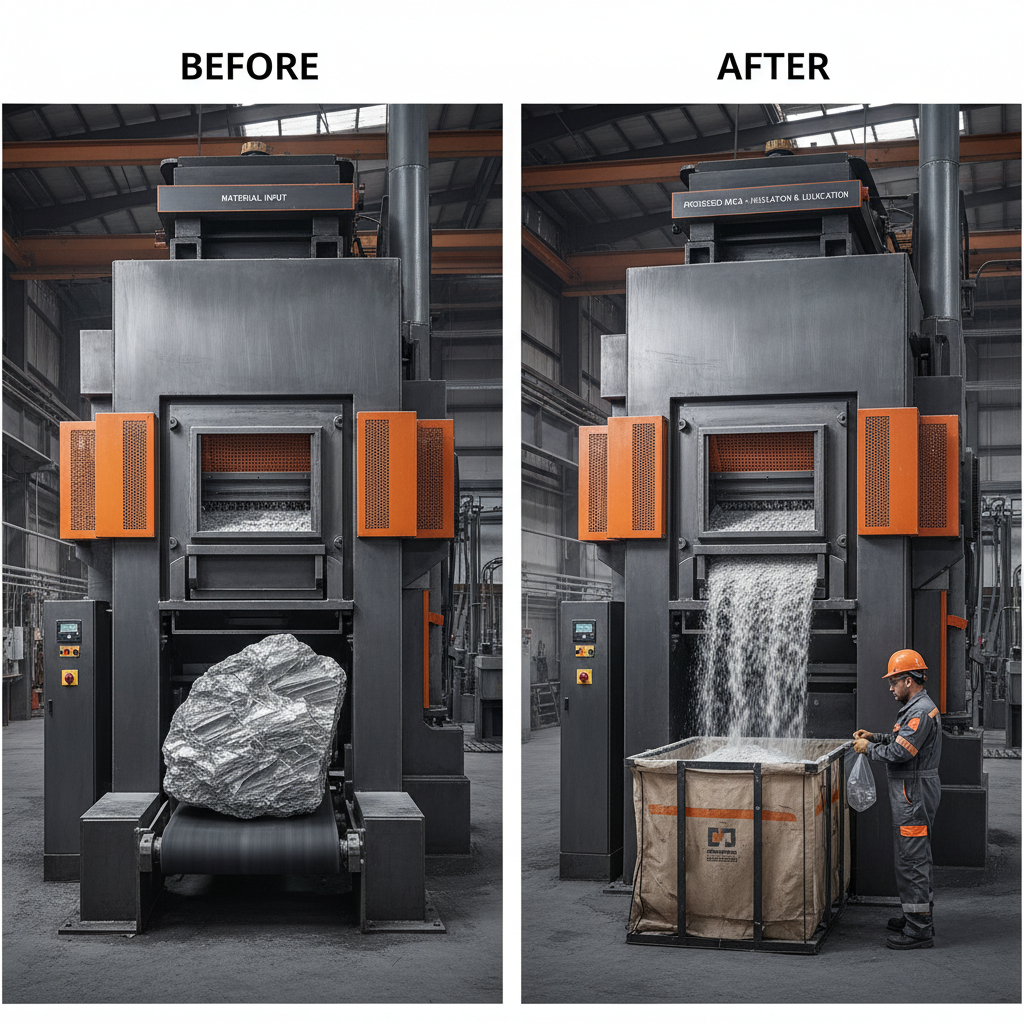
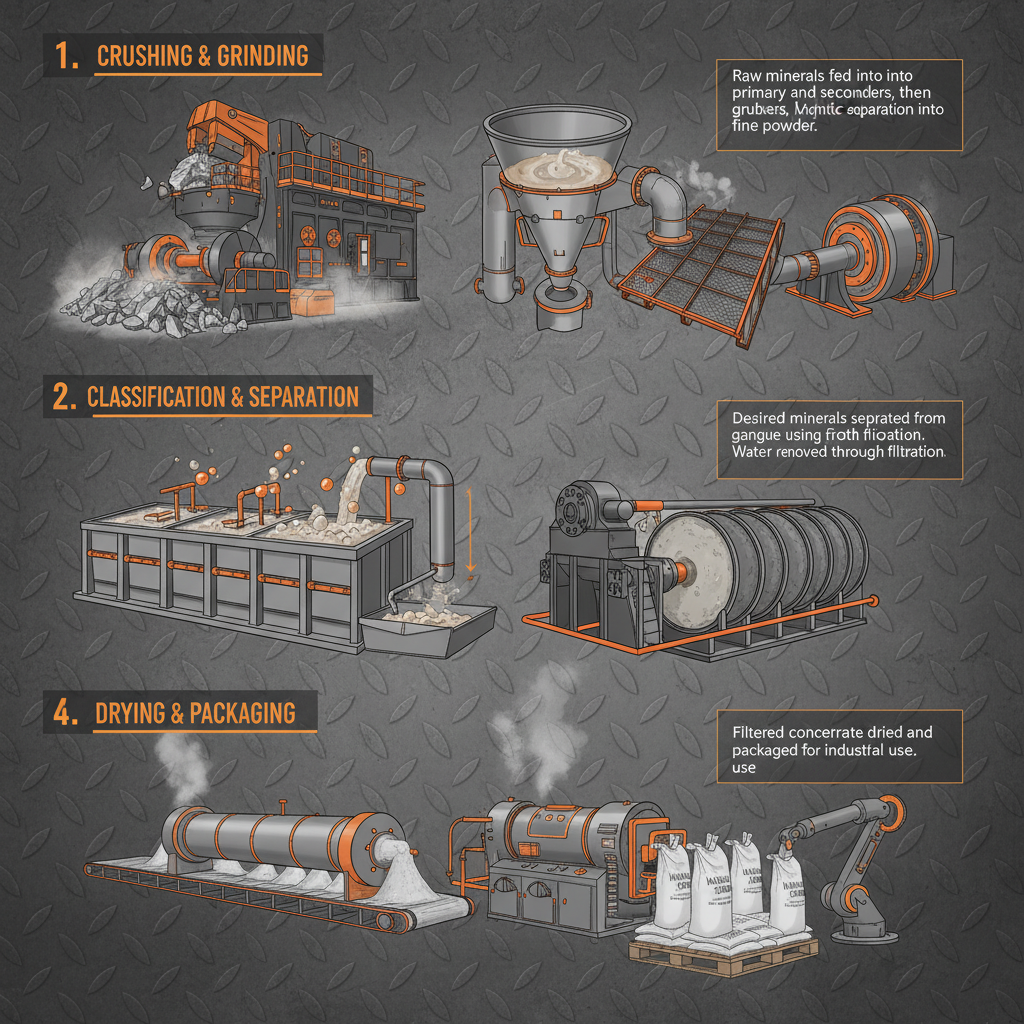
The production of expanded vermiculite begins with the raw mineral, which is mined and then subjected to a process called exfoliation. When raw vermiculite is heated rapidly to temperatures between 700°C and 1,000°C, the chemically bound water within the mineral layers evaporates, forcing the layers apart and expanding the volume by up to 20 times. This structural transformation is what gives the material its distinctive lightweight and insulating characteristics.
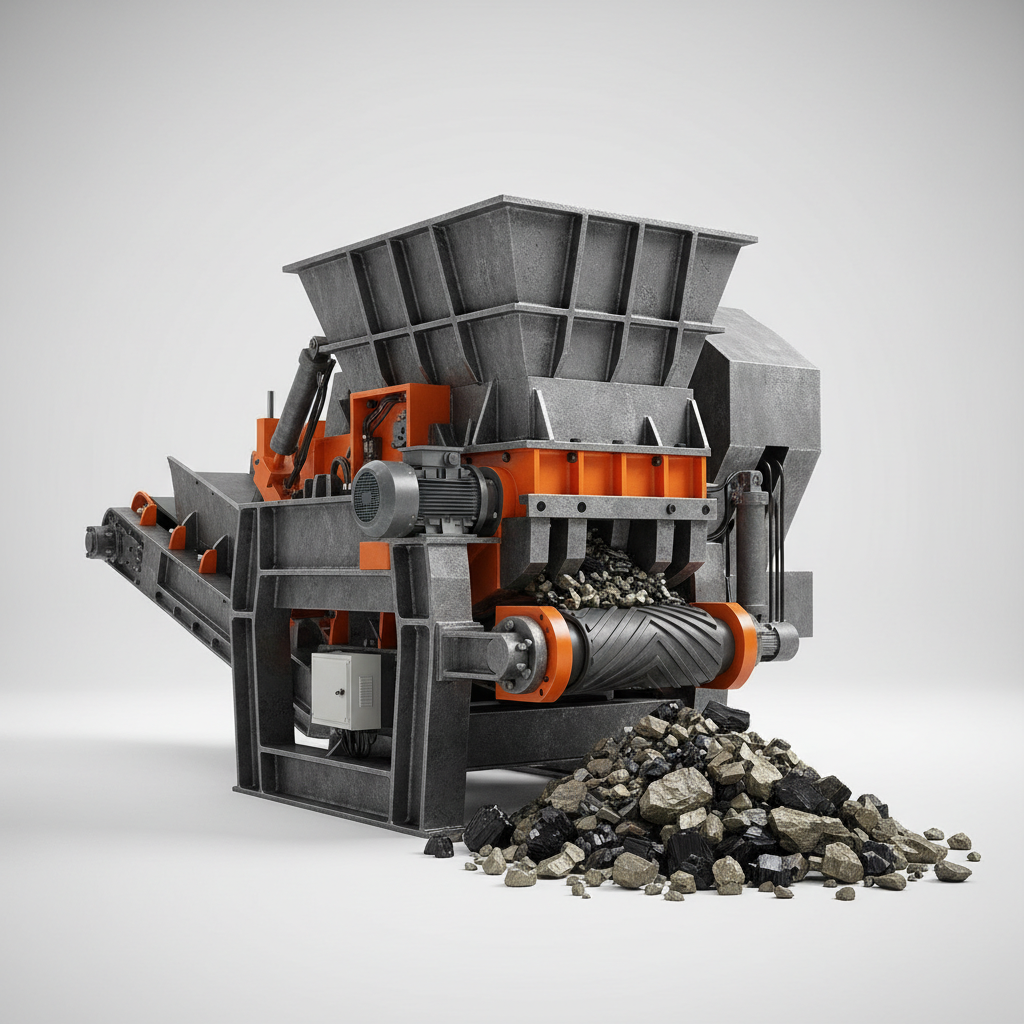
A professional vermiculite company employs rigorous screening processes to ensure the final product meets specific mesh sizes. Depending on the end-use, the material can be processed into coarse, medium, or fine grades. The consistency of this grading is essential for applications where packing density and air-flow resistance are critical parameters.
Beyond the expansion process, quality control involves analyzing the chemical composition to ensure low levels of impurities. This is particularly important for agricultural uses, where the ion-exchange capacity of the mineral determines its effectiveness in soil amendment and nutrient retention.
2Core Technical Properties and Material Value
The value of expanded vermiculite lies in its multifaceted physical properties. Primarily, its low thermal conductivity makes it an ideal barrier against heat transfer. Because the expanded flakes trap air within their structure, they provide a high R-value relative to their weight, reducing energy loss in industrial furnaces and residential insulation.
Fire resistance is another cornerstone of the material. Unlike synthetic foams, expanded vermiculite does not emit toxic fumes when exposed to extreme heat and does not support combustion. This makes it a critical component in fireproof coatings and specialized refractory bricks used in the metallurgy and glass industries.
Additionally, the mineral exhibits excellent moisture management. It can absorb significant amounts of water without losing its structural integrity, which allows it to act as a reservoir for water and nutrients in hydroponics or as a dampening agent in industrial packaging.
3Industrial Applications and High-Temperature Use Cases
In the refractory industry, expanded vermiculite is used to create lightweight insulating boards and castables. These materials are deployed in kiln linings and boiler insulation where they must withstand thermal cycling without cracking. The ability of a vermiculite company to provide high-purity minerals ensures that these linings maintain their dielectric strength and heat stability over long operational periods.
For the aviation and radio industries, specialized vermiculite-based composites are utilized for their vibration damping and acoustic insulation properties. The layered structure of the mineral effectively absorbs sound waves and mechanical shocks, protecting sensitive electronic equipment from interference and physical stress.
In the agricultural sector, vermiculite is often blended with perlite or peat to improve soil aeration. Its ability to retain potassium and other cations helps in reducing fertilizer runoff, promoting sustainable farming practices by optimizing nutrient delivery to the root zone.
4Evaluating Material Performance and Efficiency
When comparing expanded vermiculite to other lightweight aggregates, the focus is usually on the balance between bulk density and thermal resistance. A lower bulk density typically correlates with better insulation but may compromise mechanical strength. Therefore, selecting the correct grade from a vermiculite company is a critical engineering decision.
Performance metrics are often measured by the material's ability to maintain structural stability under compressive loads at elevated temperatures. High-quality expanded vermiculite shows minimal shrinkage and maintains its porous nature even when subjected to repeated heating and cooling cycles.
vermiculite company Performance Metrics
Data indicates that processed minerals from ISO-certified facilities show a significant increase in thermal stability and uniformity compared to raw or poorly processed alternatives. This reliability reduces the risk of "hot spots" in industrial insulation, which can lead to catastrophic equipment failure if left unchecked.
5Strategic Procurement and Selection Criteria
Procuring vermiculite at scale requires a rigorous evaluation of the supplier's production capacity and quality assurance protocols. Buyers should prioritize companies with established ISO certifications and a track record of consistent particle size distribution, as variations in grade can lead to inconsistent performance in the final application.
Logistics and packaging also play a vital role in procurement. Because expanded vermiculite is lightweight but voluminous, shipping costs can be high. Selecting a supplier that offers optimized packaging—such as jumbo bags for industrial use or customized PP bags—can significantly reduce the total cost of ownership.
Finally, technical support from the vermiculite company is invaluable. The ability to request customized mesh sizes or specific chemical blends for niche applications allows engineers to optimize their products for better efficiency and longer life cycles.
6Future Trends in Sustainable Mineral Solutions
The industry is shifting toward "green" construction materials, and expanded vermiculite is at the forefront of this movement. Its natural origin and recyclability make it a preferred alternative to synthetic insulation materials, such as polystyrene, which have a higher carbon footprint and lower fire safety ratings.
Innovations in exfoliation technology are allowing companies to produce minerals with even higher expansion ratios and lower densities. This allows for the creation of ultra-lightweight fire-stopping materials that provide superior protection while reducing the overall weight of the building structure.
Furthermore, there is a growing trend in using vermiculite for the remediation of contaminated soils. Due to its high absorption capacity and chemical stability, it can be used to sequester heavy metals and organic pollutants, contributing to environmental restoration efforts globally.
7Comparative Analysis of Vermiculite Grades
Choosing the right grade of vermiculite involves understanding the trade-off between particle size, porosity, and strength. Coarse grades are typically used in bulk fill and drainage applications, whereas fine grades are essential for coatings and precision casting.
The following table provides a qualitative comparison of the most common grades provided by a professional vermiculite company to help procurement teams make informed decisions based on their specific operational needs.
| Grade Type | Primary Strength | Typical Application | Key Limitation |
|---|---|---|---|
| Coarse Grade | High Aeration | Soil Amendment / Drainage | Low Packing Density |
| Medium Grade | Balanced Insulation | Industrial Packaging / Fill | Moderate Strength |
| Fine Grade | High Surface Area | Fireproof Coatings / Paints | Higher Dust Generation |
| Ultra-Fine | Precision Filling | Electronic Potting / Sealants | Limited Structural Load |
| Expanded Board | High Rigidity | Refractory Linings / Walls | Low Flexibility |
| Raw Flakes | Pure Mineral Basis | Chemical Synthesis / Labs | No Insulating Properties |
Ultimately, the selection process should be driven by the target environment. For instance, where maximum fire protection is required, a blend of fine and medium grades is often used to ensure there are no air gaps in the insulation layer.
Frequently Asked Questions
Conclusion
Selecting a professional vermiculite company is about more than just purchasing a raw material; it is about securing a technical partnership that ensures safety and efficiency in high-temperature and high-performance environments. From the precision of the exfoliation process to the consistency of the final mesh grade, every detail impacts the thermal integrity and longevity of the end product.
For procurement teams and engineers seeking to optimize their insulation, fireproofing, or agricultural solutions, evaluating suppliers based on certification, purity, and technical support is essential. Detailed product specifications and available solutions can be explored through official channels such as www.glorystarexport.com to ensure the highest standards of material performance.