High Quality Cheap Vermiculite for Industrial and Agricultural Use
Procuring mineral resources for industrial or agricultural use often requires a delicate balance between budget constraints and technical performance. Vermiculite, a hydrous phyllosilicate mineral, is prized for its unique ability to expand when heated, creating a lightweight, porous structure with exceptional thermal insulation and water retention properties. For procurement managers and project engineers, finding a reliable source of cheap vermiculite does not mean sacrificing the purity or the exfoliation quality required for high-stakes applications in fireproofing, horticulture, or chemical filtration.
Whether you are managing a large-scale gardening operation or integrating mineral fillers into industrial coatings, the physical properties of the material—such as its layered structure and chemical resistance—directly impact the final outcome. By sourcing directly from manufacturers with deep roots in mineral-rich regions like the Taihang Mountains, businesses can optimize their supply chain costs while ensuring a consistent grade of raw or exfoliated mineral solutions.

The Technical Mechanism of Vermiculite Expansion and Material properties
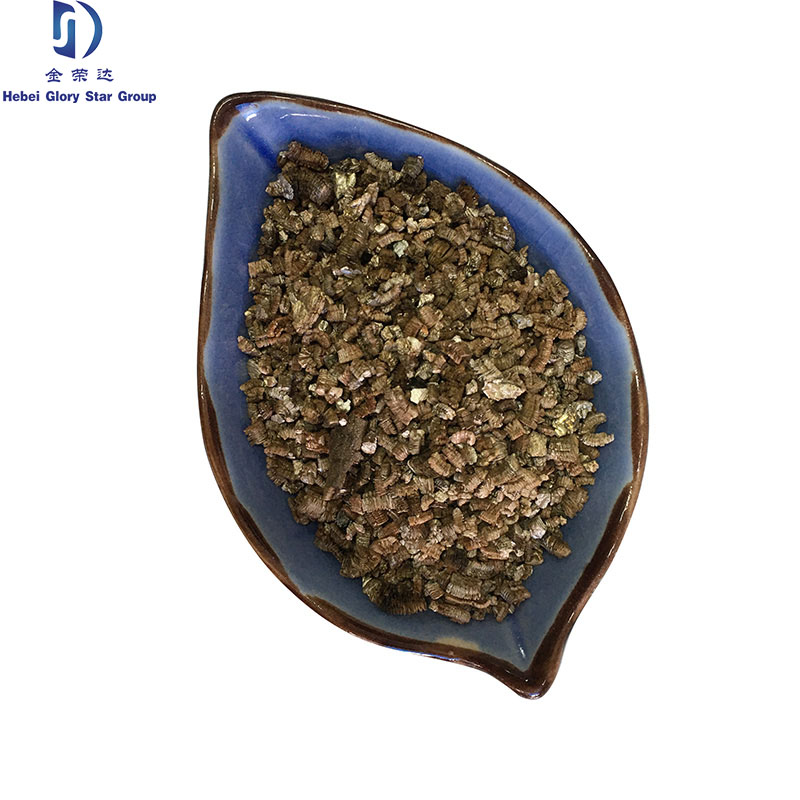
Vermiculite is characterized by its distinct layered structure, which allows it to undergo a dramatic physical transformation known as exfoliation. When the raw mineral is subjected to high temperatures, the chemically bound water within the layers turns to steam, forcing the layers apart and expanding the volume of the mineral significantly. This process results in a lightweight, accordion-like structure that provides a low coefficient of friction and superior vibration damping, making it an ideal acoustic and thermal barrier.
From a chemical perspective, the mineral is composed primarily of SiO₂ (40.6-48.5%), Al₂O₃ (10.8-19.8%), and MgO (20.5-23.8%), among other elements. This composition grants the material high heat stability and chemical resistance, allowing it to maintain structural integrity in environments that would degrade organic materials. Its low thermal conductivity makes it a cornerstone in the production of refractory materials and fireproof coatings for the aviation and radio industries.
- Heat Stability: Capable of resisting extreme temperatures without losing form.
- Dielectric Strength: Excellent electrical insulation properties (approx. 12 KV/mm).
- Physical Flexibility: Retains flexibility even after expansion, aiding in the creation of seals and gaskets.

Industrial Applications from Horticulture to Heavy Engineering
The versatility of vermiculite extends across multiple sectors, each leveraging a different physical state of the mineral. In horticulture, exfoliated vermiculite is used as a soil amendment to improve aeration and moisture retention, which is critical for seedling growth and hydroponic systems. Its ability to hold onto nutrients while allowing excess water to drain prevents root rot and promotes sustainable agricultural yields.
In the industrial sector, the focus shifts to the material's refractory and insulating capabilities. It is widely utilized in the manufacture of fiber cement construction panels, wallboards, and heavy-duty anti-corrosive coatings. Because of its low density and high thermal resistance, it is frequently integrated into plastics, rubber, and paints to reduce molding shrinkage and enhance the overall rigidity and heat resistance of the end product.
Furthermore, the mineral's application in oil drilling and as a filler in brake pads demonstrates its mechanical durability. In these high-pressure environments, the low coefficient of friction and vibration damping properties ensure that equipment operates smoothly and lasts longer, reducing maintenance overhead for operators.
Strategic Sourcing and Quality Evaluation for Mineral Procurement
When evaluating suppliers for mineral products, technical buyers must look beyond the initial price point to consider the total cost of ownership. The consistency of particle distribution—whether specified in mesh sizes from 4-6 mesh to 3000 mesh—is paramount. Poorly graded material can lead to uneven insulation or inconsistent soil aeration, which can result in costly project failures or crop loss.
Reliability in the supply chain is often tied to the manufacturer's proximity to the mineral source. For instance, production facilities located in mineral-rich zones like the Taihang Mountains can leverage raw material availability to provide more competitive pricing without compromising on ISO9001 quality standards. A professional manufacturer should offer a variety of processing technologies, including both dry and wet grinding, to tailor the purity and glossiness of the mineral to specific industry needs.
Key evaluation criteria for buyers should include:
- Certification: ISO certification ensures a standardized production process.
- Customization: The ability to provide customized packaging, such as 25kg PP bags or 1000kg jumbo bags.
- Purity Levels: Checking for low sand and iron content, especially for applications in ceramics and cosmetics.
Technical Specifications and Application Suitability Matrix
| Application Sector | Required Property | Recommended Mesh/Grade | Key Benefit |
|---|---|---|---|
| Horticulture | Water Retention | Coarse / Exfoliated | Enhanced Root Growth |
| Fireproofing | Thermal Resistance | Medium to Fine | High Heat Insulation |
| Paint & Coatings | Chemical Resistance | 100 - 1000 Mesh | Reduced Shrinkage |
| Ceramics | Purity/Whiteness | Wet Ground Powder | High Glossiness |
| Oil Drilling | Vibration Damping | Industrial Raw Grade | Equipment Longevity |
Comparing Raw vs. Exfoliated Mineral Solutions
Understanding the difference between raw and exfoliated vermiculite is essential for correct application matching. Raw vermiculite is the mineral in its natural state, used primarily as a feedstock for expansion or as a heavy filler in specific industrial composites. It possesses a higher density and is typically used where the mineral's base chemical properties are more important than its volume or insulating capacity.
Exfoliated vermiculite, conversely, has been heat-treated to expand its volume. This creates the "popcorn" effect, which drastically lowers the density and increases the surface area. This version is the standard for horticultural use and thermal insulation. The expanded structure allows the mineral to trap air, which serves as a natural insulator against both heat and cold, and allows it to hold significant amounts of water and nutrients within its pores.
For buyers, the choice depends entirely on the desired end-use: if the goal is lightweighting and insulation, exfoliated is the only viable path. If the goal is a dense, chemically stable filler for high-pressure industrial parts, raw mineral forms are preferred.
Future Trends in Sustainable Mineral Integration
As global industries shift toward sustainable and eco-friendly materials, natural minerals like vermiculite are seeing a resurgence. Its role in "green building" is expanding, as architects seek natural alternatives to synthetic foams for insulation. Because it is inorganic and non-toxic, it does not off-gas harmful chemicals, making it a safer choice for indoor air quality in residential and commercial constructions.
In the agricultural sector, the trend is moving toward precision farming. This requires mineral amendments with highly specific particle sizes to ensure consistent moisture delivery in automated irrigation systems. The demand for tailored mesh sizes (such as 200 to 325 mesh) is increasing as growers seek to optimize the substrate for specific crop varieties.
Looking forward, the integration of vermiculite into advanced composite materials for the electric vehicle (EV) industry is a growing area of research. Its thermal stability and vibration damping could be leveraged to improve battery casing safety and noise reduction in cabin interiors, signaling a shift from traditional construction uses to high-tech engineering applications.
Frequently Asked Questions About Industrial Vermiculite
What is the main difference between dry ground and wet ground mica/vermiculite powders?
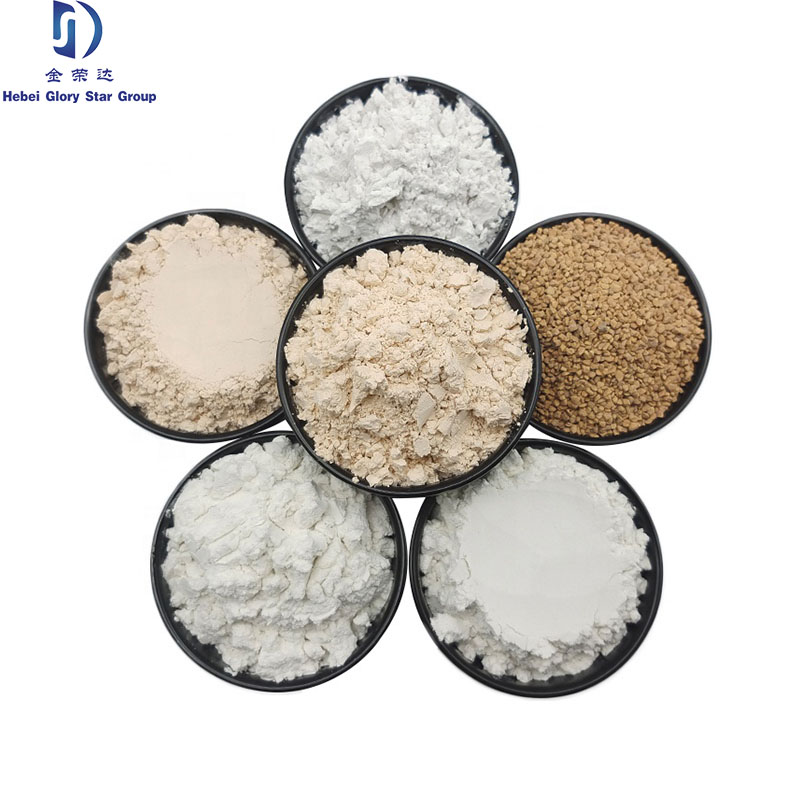
Dry ground powder is produced through physical grinding without altering natural properties, suitable for construction panels and brake pads. Wet ground powder involves cleaning, washing, and purification, resulting in a higher purity, whiteness, and glossiness, which is ideal for paints, cosmetics, and high-end ceramics.
How does vermiculite contribute to fireproofing in construction?
Due to its low thermal conductivity and high heat stability (up to 800-900℃), vermiculite acts as a thermal barrier. When used in coatings or wallboards, it slows the transfer of heat and resists combustion, protecting the structural integrity of the building during a fire.
Can the particle size be customized for specific industrial needs?
Yes, professional manufacturers provide a wide range of specifications, including 4-6 mesh, 10-20 mesh, 100 mesh, and even ultra-fine powders up to 3000 mesh, depending on whether the application requires coarse drainage or fine filler properties.
Is vermiculite safe for use in organic gardening?
Yes, natural exfoliated vermiculite is an inorganic mineral that is generally considered safe and non-toxic. It improves soil aeration and water retention without introducing harmful chemicals into the growing medium.
What are the packaging options for bulk international shipping?
Common packaging includes 25kg PP or paper bags for smaller shipments and 500kg to 1000kg jumbo bags for large-scale industrial procurement. Custom packaging can often be arranged to meet specific logistics requirements.
Why is sourcing from mineral-rich regions like Lingshou County advantageous?
Sourcing from the origin of the mineral reduces transport costs of raw materials and ensures access to a wide variety of non-metallic minerals. This proximity allows manufacturers to maintain a more competitive price while ensuring a stable supply of high-quality ore.
Technical References and Industry Standards
- U.S. Geological Survey - Mineral Commodity Summaries
- ISO 9001 Quality Management Systems Standards
- Industrial Mineral Research and Phyllosilicate Studies
- Environmental Protection Agency - Mineral Resource Guidelines
For enterprises seeking high-performance mineral solutions that balance cost and quality, partnering with an experienced manufacturer is key. Whether you require raw vermiculite for industrial fillers or exfoliated grades for agriculture, ensuring strict adherence to particle size and purity standards will guarantee the success of your application.
Related Industrial Mineral News